Cantaloupe Burpee Hybrid
Cucumis melo var. cantalupensis 'Burpee Hybrid'
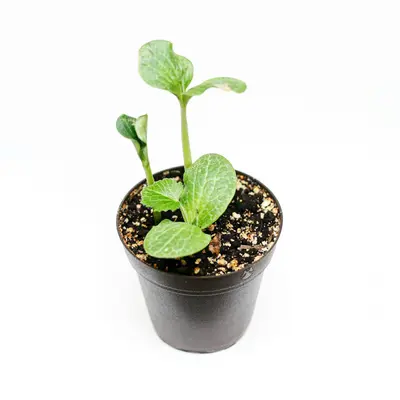
A reliable hybrid cantaloupe that delivers consistent, sweet melons with classic orange flesh and excellent disease resistance. This variety produces medium-sized fruits with exceptional flavor and aroma, making it a favorite among home gardeners who want dependable results. The vigorous vines are productive and handle various growing conditions better than many heirloom varieties.
Harvest
80-90d
Days to harvest
Sun
Full sun
Zones
2–11
USDA hardiness
Height
6-9 feet
Planting Timeline
Showing dates for Cantaloupe Burpee Hybrid in USDA Zone 7
All Zone 7 melon →Zone Map
Click a state to update dates
Cantaloupe Burpee Hybrid · Zones 2–11
Growing Details
Succession Planting
Cantaloupe doesn't lend itself to tight succession planting the way beans or salad greens do — each vine produces a limited number of fruits over a long 80–90 day window, so staggering sow dates by 2 weeks doesn't give you meaningfully spread-out harvests. One or two plantings per season is the standard approach.
In zone 7 you can get two attempts in if you start the first round indoors in late March and transplant in early May, then direct sow a second round in early June for a late-summer harvest finishing in September. Don't push a third planting — cantaloupes need daytime highs consistently above 70°F to set and ripen fruit, and nights dropping below 55°F in October will stall them before they finish.
Complete Growing Guide
Plant Cantaloupe Burpee Hybrid in late spring after all frost danger has passed, as this hybrid germinates best in soil temperatures above 70°F and needs a full 80-90 days of warm weather to mature—timing later than some quick-maturing melons. This cultivar thrives in full sun with well-draining, slightly alkaline soil rich in organic matter, preferring consistent moisture without waterlogging. While Burpee Hybrid exhibits superior disease resistance compared to heirloom varieties, particularly against powdery mildew and fusarium wilt, monitor for spider mites during hot, dry spells, which can stress the vigorous vines. The variety produces reliably across different climates but tends toward vigorous sprawl, so provide sturdy trellising or ample ground space to prevent fruit rot from soil contact. A practical approach: thin fruits early to one melon per secondary stem; this concentration of energy produces sweeter, more aromatic fruits that live up to this hybrid's reputation.
Light: Full sun (6 or more hours of direct sunlight a day). Soil: Clay, High Organic Matter, Loam (Silt). Soil pH: Acid (<6.0), Neutral (6.0-8.0). Drainage: Good Drainage, Moist. Height: 6 ft. 0 in. - 9 ft. 0 in.. Spread: 1 ft. 0 in. - 3 ft. 0 in.. Spacing: 12 inches-3 feet. Growth rate: Medium. Maintenance: Medium. Propagation: Seed. Regions: Coastal, Mountains, Piedmont.
Harvesting
Cantaloupe Burpee Hybrid melons reach peak ripeness when the netted rind develops a golden-tan background color beneath the netting and the fruit yields slightly to gentle palm pressure. The melon should detach from the vine with minimal effort when twisted—this "slip" is the most reliable indicator of harvest readiness for this cultivar. Unlike single-harvest varieties, Burpee Hybrid vines produce continuously throughout the season, allowing staggered picking as individual fruits mature rather than all at once. For best results, harvest in early morning when temperatures are coolest, as this preserves the melon's sugars and juiciness. With typical ripening occurring around day 75–85 from transplanting, regular vine inspection every 2–3 days during peak production season ensures you capture each melon at its sweetest moment.
Musky-scented, spherical to oblong berry with a rind (pepo), often furrowed with yellow, white or green flesh and many seeds. The rind may be green, yellow, tan, beige or white and the surface may be smooth, rough, warty, scaly, or netted. Seeds white, about 1/2 inch long, narrow. Seeds ripen in August and September.
Color: Gold/Yellow, Green, White. Type: Berry. Length: < 1 inch. Width: < 1 inch.
Garden value: Edible, Showy
Harvest time: Fall
Edibility: Eaten fresh, wrapped in prosciutto, in salads, or as a dessert. Watery, but delicate, flavor. Avoid the seeds as the sprouting seed produces a toxic substance in its embryo.
Storage & Preservation
Fresh Cantaloupe Burpee Hybrid melons store best at room temperature for 3-5 days if they need additional ripening, then transfer to the refrigerator where they'll maintain quality for 5-7 days. Store whole melons in the crisper drawer at 36-40°F with moderate humidity. Once cut, wrap pieces tightly in plastic wrap and refrigerate for up to 4 days.
For longer preservation, freeze cubed melon on baking sheets before transferring to freezer bags — frozen cantaloupe works excellently in smoothies for up to 8 months. Dehydrating thin slices at 135°F creates concentrated, chewy fruit leather that stores for 6-12 months. You can also preserve cantaloupe in light syrup for canning, though the texture will soften considerably. Pickled cantaloupe rind makes an unexpectedly delicious condiment that captures the variety's aromatic qualities while extending shelf life to several months when properly processed.
History & Origin
Burpee Hybrid cantaloupes emerged from the W. Atlee Burpee Company's mid-twentieth-century breeding programs, which focused on developing disease-resistant melons suited to American home gardeners. While specific breeding records and exact introduction dates remain sparse in publicly available horticultural documentation, the Burpee hybrid line represents the company's systematic crossbreeding efforts to combine the classic sweetness and aroma of traditional cantaloupe varieties with improved vigor and disease tolerance. This variety reflects the broader post-World War II trend of American seed companies introducing F1 hybrids that prioritized reliability and consistent performance over heirloom characteristics, making home gardening more accessible to less experienced cultivators.
Origin: Africa, Arabian Peninsula, India, Australia
Advantages
- +Produces sweet, aromatic melons consistently across 80-90 day season
- +Excellent disease resistance compared to traditional heirloom cantaloupe varieties
- +Vigorous vines adapt well to varied growing conditions and climates
- +Medium-sized fruits ideal for home gardeners with reliable yields
- +Hybrid vigor ensures strong plant performance and dependable results
Considerations
- -Susceptible to bacterial wilt spread by cucumber beetles and aphids
- -Multiple fungal diseases including downy mildew and anthracnose can develop
- -Requires vigilant pest management to prevent crop loss from beetles
Companion Plants
Marigolds — specifically French marigolds (Tagetes patula) — are the companion most worth planting near cantaloupes if you've had nematode pressure in that bed before. NC State Extension recommends a solid planting of French marigolds in affected ground to suppress root-knot nematodes before going back to susceptible cucurbit crops. They won't fix a severe infestation mid-season, but as a pre-plant rotation tool they're genuinely useful, not just garden folklore. Nasturtiums serve a different purpose: they draw aphids away from melon vines as a trap crop, which concentrates the problem somewhere you can deal with it rather than letting it spread across the whole planting.
Basil and oregano show up on beneficial lists, and the theory is that their aromatic volatiles confuse cucumber beetles and aphids. The evidence is thin. Both herbs do thrive in the same full-sun, well-drained conditions cantaloupes need, so there's no downside to tucking them nearby — just don't expect them to carry the pest-management load. Sunflowers make a practical windbreak on the north or west side of a melon bed and pull in predatory wasps and beetles without competing hard for water.
Cucumbers are the one to keep out of the same bed entirely — they share bacterial wilt, downy mildew, and cucumber beetle pressure with cantaloupes, and combining them just doubles the target. Potatoes compete aggressively for moisture during the shallow-rooted bulking phase melons need most, and fennel has documented allelopathic effects on cucurbits; keep it at least 18 inches away.
Plant Together
Basil
Repels aphids, thrips, and flies while potentially enhancing melon flavor
Marigold
Deters cucumber beetles, aphids, and nematodes that attack melons
Nasturtium
Acts as trap crop for cucumber beetles and aphids, draws pests away from melons
Radish
Repels cucumber beetles and squash bugs, breaks up soil for melon roots
Sunflower
Provides natural trellis support and attracts beneficial pollinators
Oregano
Repels cucumber beetles and other harmful insects with strong aromatic oils
Corn
Provides wind protection and vertical growing space without competing for nutrients
Bean
Fixes nitrogen in soil and doesn't compete with melon's shallow root system
Keep Apart
Cucumber
Competes for same nutrients and attracts similar pests like cucumber beetles
Potato
Competes for water and nutrients, may harbor diseases that affect melons
Aromatic herbs (strong)
Plants like sage can inhibit melon growth and affect fruit development
Nutrition Facts
Per 100g serving. % Daily Value based on 2,000 calorie diet. Source: USDA FoodData Central (FDC #169092)
Pests & Disease Resistance
Resistance
Good resistance to fusarium wilt and powdery mildew
Common Pests
Cucumber beetles, aphids, squash bugs, spider mites
Diseases
Bacterial wilt, downy mildew, anthracnose, alternaria leaf blight
Troubleshooting Cantaloupe Burpee Hybrid
What you'll see, why it happens, and what to do about it.
Vine collapses suddenly — wilts hard during the day and doesn't recover overnight, usually before fruit sets
Likely Causes
- Bacterial wilt (Erwinia tracheiphila), transmitted by cucumber beetles feeding on the stem and leaves
- Cucumber beetle infestation that went unmanaged at the seedling stage
What to Do
- 1.Pull and bag the affected plant immediately — bacterial wilt has no cure once it's systemic, and leaving it in the ground keeps beetles feeding and spreading the pathogen
- 2.Next season, use wire or cloth cone protectors over seedlings right after transplant to keep beetles off until plants are established — NC State Extension's IPM guidance specifically recommends this for home plantings
- 3.If beetles are heavy, apply a foliar insecticide at the cotyledon stage to reduce feeding pressure before the plants are large enough to tolerate damage
Dry, sunken, tan-to-brown leathery spot on the blossom end of the fruit, sometimes with a moldy secondary growth on the rotted patch
Likely Causes
- Blossom-end rot — calcium deficiency in the developing fruit caused by uneven soil moisture, not a true calcium shortage in the soil
- Overfertilization with high-nitrogen fertilizers, which drives rapid vegetative growth at the expense of calcium uptake
- Soil pH outside the 6.5–6.8 range, which limits calcium availability regardless of what's already in the ground
What to Do
- 1.Mulch heavily with straw and water on a consistent schedule — fluctuations between wet and dry are the primary trigger, per NC State Extension
- 2.Back off nitrogen fertilizer once vines are running; side-dress with a balanced or low-N fertilizer instead
- 3.Test your soil and lime to a pH of 6.5–6.8 before next season; the calcium is likely already there, just unavailable at the wrong pH
Yellow angular patches on the upper leaf surface with grayish-purple fuzzy growth on the underside, spreading fast in humid weather
Likely Causes
- Downy mildew (Pseudoperonospora cubensis) — a water mold that spreads by airborne spores and explodes in wet, humid conditions above 60°F
- Dense, overcrowded planting that traps humidity around the canopy
What to Do
- 1.Space plants at least 36–48 inches apart and train vines so the canopy isn't sitting in a dense pile — airflow is your first line of defense
- 2.Remove and trash (don't compost) heavily infected leaves to slow spore spread
- 3.If downy mildew has hit your site in previous years, start a fungicide rotation labeled for Pseudoperonospora cubensis at first symptom — waiting until the canopy is covered is too late
Frequently Asked Questions
How long does Cantaloupe Burpee Hybrid take to grow from seed?▼
Can you grow Cantaloupe Burpee Hybrid in containers?▼
Is Cantaloupe Burpee Hybrid good for beginners?▼
What does Cantaloupe Burpee Hybrid taste like?▼
When should I plant Cantaloupe Burpee Hybrid seeds?▼
How much space does Cantaloupe Burpee Hybrid need?▼
Zone-by-Zone Planting Calendar
| Zone | Indoor Start | Transplant | Direct Sow | Harvest |
|---|---|---|---|---|
| Zone 1 | June – June | July – August | July – September | October – August |
| Zone 2 | May – June | July – July | July – August | October – September |
| Zone 11 | January – January | February – February | February – March | May – June |
| Zone 12 | January – January | February – February | February – March | May – June |
| Zone 13 | January – January | February – February | February – March | May – June |
| Zone 3 | May – May | June – July | June – August | September – October |
| Zone 4 | April – May | June – June | June – July | September – October |
| Zone 5 | April – April | May – June | May – July | September – October |
| Zone 6 | April – April | May – June | May – July | August – October |
| Zone 7 | March – April | May – May | May – June | August – September |
| Zone 8 | March – March | April – May | April – June | July – September |
| Zone 9 | February – February | March – April | March – May | June – August |
| Zone 10 | January – February | March – March | March – April | June – July |
Growing Guides from Wind River Greens
Sources & References
External authority sources used in compiling this guide.
- ExtensionNC State Extension
- USDAUSDA FoodData Central
See the Methodology page for how this data is sourced, what's AI-assisted, and known limitations.
More Melons
Charleston Gray Watermelon
Ali Baba Watermelon
Cantaloup Charentais
Watermelon Charleston Gray
Hale's Best Cantaloupe
Cantaloupe Iroquois
Sugar Baby Watermelon
Tiger Baby Watermelon