Zone 4 Coverage
Planting Timeline — All Varieties
Growing Shrubs & Hedges in Zone 4
Zone 4 gardeners face the unique challenge of working with a relatively short growing season and winter temperatures that can dip to -30°F, but this doesn't mean you have to sacrifice beauty in your landscape. The key to success lies in selecting hardy shrubs that can withstand these harsh conditions while still providing the color, structure, and seasonal interest you're looking for. Many gardeners are surprised to learn that some of the most stunning flowering shrubs actually thrive in these cooler conditions, often producing more vibrant blooms and stronger growth than their counterparts in warmer zones.
When choosing shrubs for Zone 4, prioritize varieties that are not only cold-hardy but also have strong root systems and can handle late spring frosts that might damage early growth. Look for native or adapted species like Red Twig Dogwood, Ninebark Diablo, and Common Lilac that have evolved to handle temperature swings and shorter growing seasons. The shrubs on our Zone 4 list have been specifically chosen because they can establish quickly during your growing window, provide multiple seasons of interest, and return reliably year after year despite harsh winter conditions.
Variety Comparison
| Variety ↑ | Days | Difficulty |
|---|---|---|
| Annabelle Hydrangea | — | Easy |
| Azalea Encore | — | Moderate |
| Baby Blue Bouquet | 120-150 | Moderate |
| Barberry Red Rocket | — | Easy |
| Beautybush | — | Easy |
| Blue Muffin Viburnum | — | Easy |
| Book-Leaf Mallee | 120-150 | Moderate |
| Burning Bush | — | Easy |
| Coral Honeysuckle | — | Easy |
| Dwarf Burning Bush | — | Easy |
| E. tereticornis | 120-150 | Moderate |
| Fragrant Sumac | — | Easy |
| French Lilac | — | Easy |
| Goldmound Spirea | — | Easy |
| Japanese Kerria | — | Easy |
| Japanese Pieris | — | Moderate |
| Japanese Spirea | — | Easy |
| Japanese Yew | — | Easy |
| Lemon Bush | 120-150 | Moderate |
| Lilac Common | — | Easy to moderate |
| Mahogany Splendor | 115-130 | Moderate |
| Mock Orange | — | Easy |
| Mountain Laurel | — | Moderate |
| Ninebark Diablo | — | Easy |
| PeeGee Hydrangea | — | Easy |
Variety Details
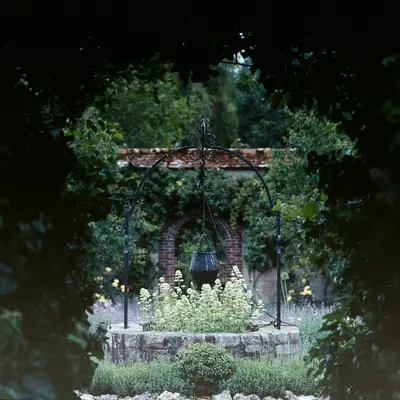
Annabelle Hydrangea
A spectacular native hydrangea that produces enormous white flower heads up to 12 inches across from summer through fall, creating a stunning display in shade gardens. This hardy shrub blooms reliably every year on new wood and naturalizes beautifully in woodland settings while tolerating a wide range of conditions. The massive snowball-like blooms age to pale green and dry beautifully for winter interest.
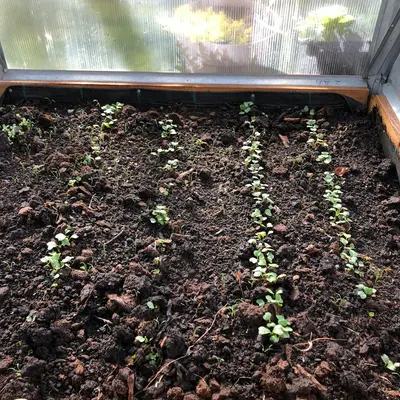
Azalea Encore
Revolutionary reblooming azaleas that flower in spring, summer, and fall, extending the traditional azalea season from weeks to months. These compact evergreen shrubs offer the classic azalea beauty with improved heat tolerance and disease resistance. Available in a wide range of colors, they're perfect for adding consistent color to foundation plantings and woodland gardens.
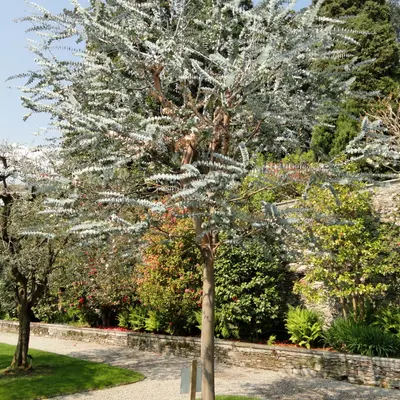
Baby Blue Bouquet
Very similar to Baby Blue. Robust plants produce column-like, sturdy stems packed with waxy, silvery blue leaves. Round, 2" leaves. Also known as silverleaf mountain gum, gum, and euc. Tender perennial in Zones 9-11.
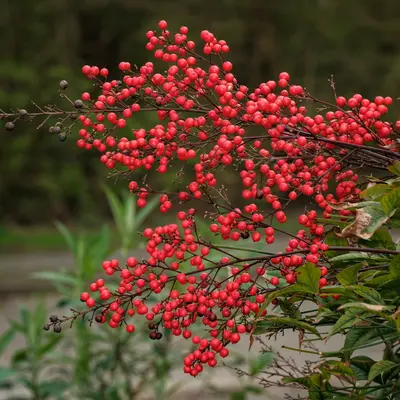
Barberry Red Rocket
This columnar barberry brings intense red foliage and a unique upright form to landscapes where space is at a premium. Unlike spreading barberry varieties, Red Rocket grows tall and narrow, making it perfect for tight spaces, foundation plantings, or creating living pillars in the garden. The thorny branches provide excellent security while the fiery red leaves hold their color all season long.
Beautybush
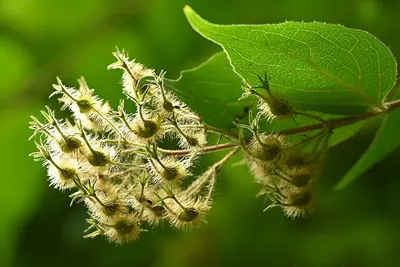
An underutilized gem that creates a spectacular spring display with cascading branches covered in pink bell-shaped flowers. This graceful, fountain-like shrub earned its common name honestly - few plants can match its breathtaking beauty when in full bloom, attracting bees and butterflies by the dozens. The exfoliating bark provides winter interest, making this a true four-season plant.
Blue Muffin Viburnum
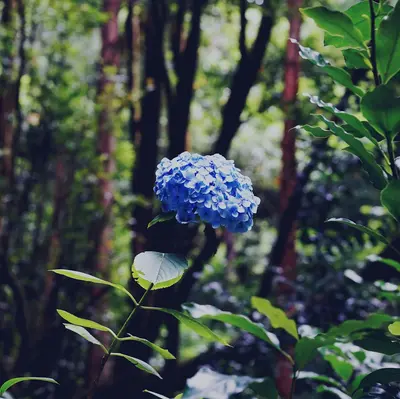
A compact native viburnum that delivers four seasons of beauty with spring's creamy white flower clusters, summer's glossy green foliage, and fall's brilliant red-orange color display. The metallic blue berries are a magnet for birds while the dense branching provides excellent structure for landscape borders. This adaptable shrub thrives in various conditions while supporting local wildlife.
Book-Leaf Mallee
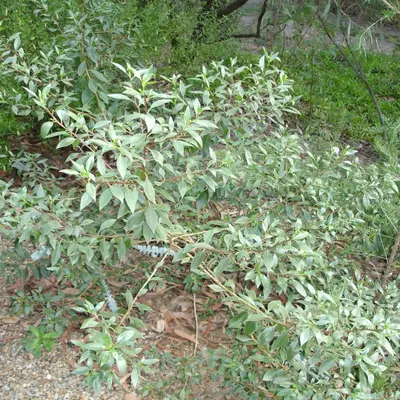
Upright plants are not as productive as our other eucalyptus, but the unique, adorable, gray-blue foliage is perfect for small design work and dried florals. 1/2" leaves. Also known as Kruse's Mallee.

Burning Bush
A deciduous shrub famous for its spectacular fall color transformation from green to brilliant crimson-red. This low-maintenance shrub creates stunning autumn displays and serves as an excellent foundation planting or hedge. Despite its invasive status in some regions, it remains one of the most sought-after shrubs for reliable fall color.
Coral Honeysuckle
America's native honeysuckle vine that hummingbirds absolutely adore, featuring tubular coral-red flowers from spring through fall. Unlike its invasive cousins, this well-behaved climber stays put while providing months of nectar for hummingbirds and butterflies. The blue-green foliage and bright red berries add year-round interest to any garden structure.

Dwarf Burning Bush
A compact deciduous shrub that delivers spectacular scarlet-red fall color in a manageable size perfect for smaller landscapes. This dwarf variety maintains the stunning autumn display of its larger cousin while staying neatly proportioned, making it ideal for foundation plantings and mixed borders. The dense, rounded form requires minimal pruning and provides excellent structure year-round.
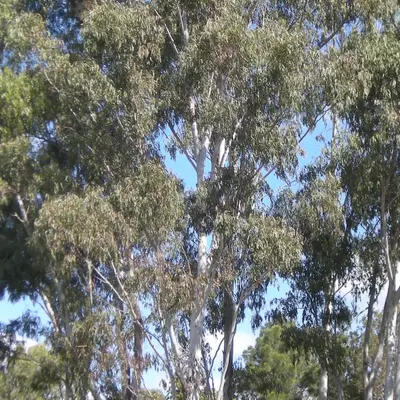
E. tereticornis
Tall, upright, productive plants produce sturdy stems that are easy to process for cut foliage. 3-6" long, arrow-shaped leaves are primarily green to dark green, while new leaf growth displays a contrasting and attractive dark red leaf color which varies across plants and intensifies as temperatures cool in the fall. Dark green leaves contrast nicely with red stems. Elegant addition to arrangements and mixed eucalyptus bunches. Tender perennial in Zones 9-11.
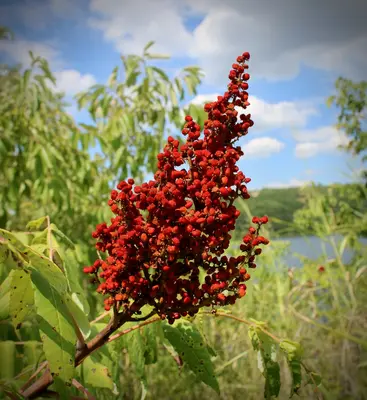
Fragrant Sumac
A tough, native shrub prized for its exceptional drought tolerance and brilliant orange-red fall color that rivals any maple. Small yellow flowers appear before the leaves in early spring, followed by red berries that attract birds. This adaptable groundcover shrub thrives in difficult sites where other plants struggle, making it perfect for slopes and naturalized areas.
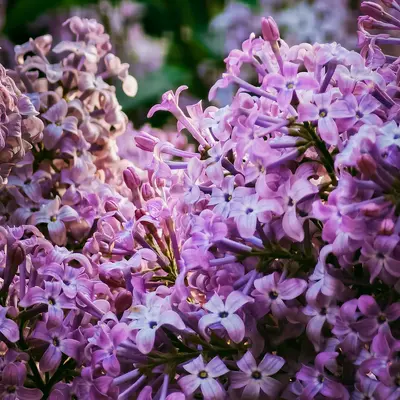
French Lilac
The classic fragrant lilac that defines spring with its intoxicating perfume and abundant blooms. These old-fashioned shrubs produce dense clusters of tubular flowers in shades of purple, pink, white, or lavender that attract butterflies and hummingbirds. A must-have for creating nostalgic cottage gardens and cutting gardens.
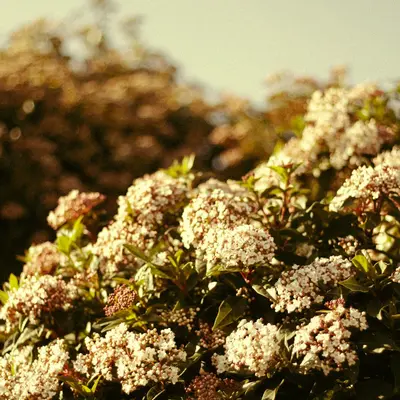
Goldmound Spirea
A compact deciduous shrub that brings year-round color with bright golden-yellow foliage that transitions through orange and red in fall. Pink flower clusters appear in late spring, creating a stunning contrast against the golden leaves. This low-maintenance beauty is perfect for mass plantings, borders, and foundation plantings.
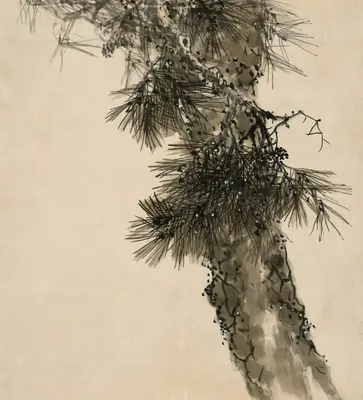
Japanese Kerria
A charming spring bloomer that produces abundant golden-yellow pompom flowers on bright green arching stems that remain attractive even in winter. This easy-care shrub tolerates shade better than most flowering shrubs and provides months of cheerful color in woodland gardens. The double-flowered variety creates an impressive display that rivals forsythia but with a more refined appearance.
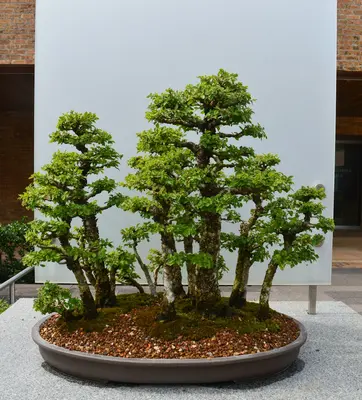
Japanese Pieris
An elegant broadleaf evergreen that produces cascading clusters of bell-shaped flowers in early spring, often appearing before most other shrubs break dormancy. The glossy evergreen foliage provides year-round interest, and many varieties offer stunning bronze or red new growth that rivals any flower display. This sophisticated shrub brings four-season beauty and a refined presence to shade gardens.
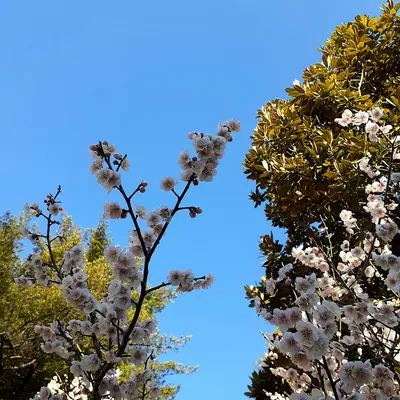
Japanese Spirea
A compact, colorful shrub that brings non-stop pink blooms and vibrant foliage to small gardens and landscapes. This hardy little powerhouse produces flat-topped clusters of rosy-pink flowers from late spring through summer, while new growth emerges in shades of red and orange. Perfect for low hedges, foundation plantings, or adding reliable color to perennial borders.
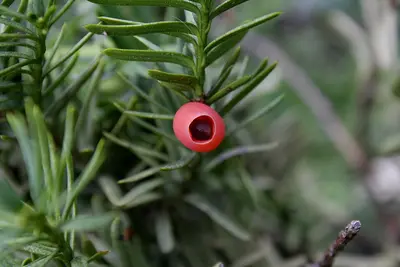
Japanese Yew
The ultimate low-maintenance evergreen that thrives in challenging conditions where other shrubs fail. This adaptable workhorse tolerates deep shade, urban pollution, and heavy pruning, making it ideal for foundation plantings and formal hedges. Its dense, dark green needle foliage provides year-round structure and serves as the perfect backdrop for flowering plants.
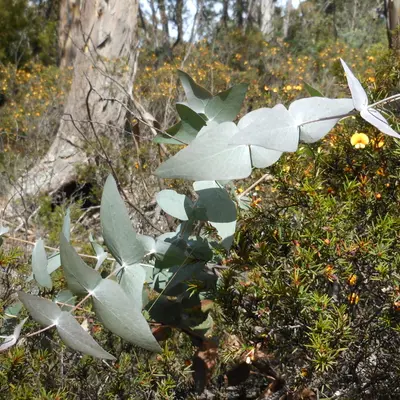
Lemon Bush
Medium-green, 2-7", sword-shaped leaves that produce a strong citronella fragrance. Leaf and stem tips turn a lovely red color in late summer/fall. Less durable foliage than standard eucalyptus.
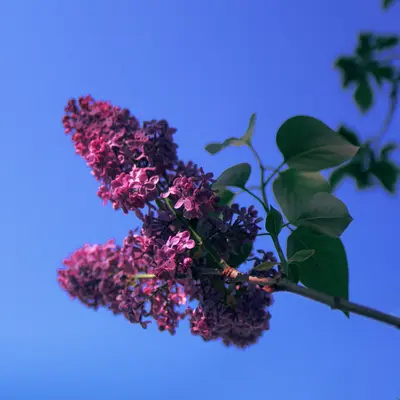
Lilac Common
A beloved deciduous shrub that heralds spring with its intensely fragrant flower clusters in shades of purple, pink, or white. This old-fashioned favorite can live for decades and becomes more beautiful with age, producing abundant blooms that are perfect for cutting. Few shrubs can match the nostalgic appeal and intoxicating fragrance of a mature lilac in full bloom.
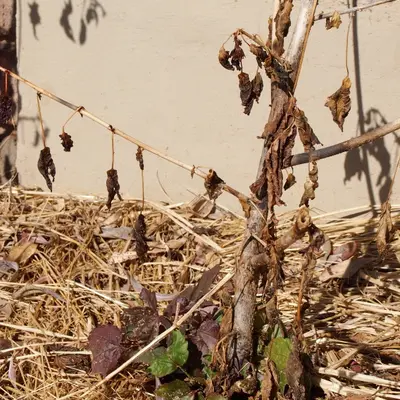
Mahogany Splendor
Decorative, deeply cut foliage with maple-leaf appearance, rich color, and sturdy branches. Ideal for late summer and fall arrangements. Primarily grown for use as cut flower foliage, the vigorous, drought- and heat-tolerant plants are also suitable for containers and landscaping. The abundant color and tall stature make Mahogany Splendor a lovely backdrop in the garden or patio. NOTE: If grown indoors or in part shade, foliage will be green to rust in color; the mahogany color develops fully in full sun. Also known as red-leaf hibiscus, false roselle, African rose mallow, and cranberry hibiscus. Tropical, herbaceous perennial in Zones 8a-9b. Tender perennial or annual in all other growing zones.
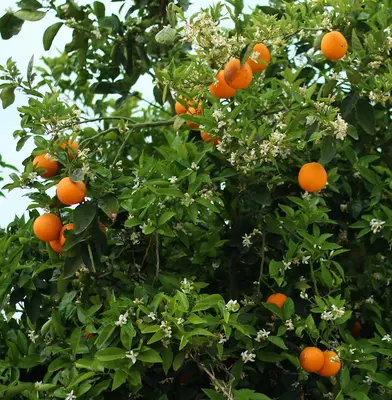
Mock Orange
An old-fashioned favorite that perfumes the entire garden with intensely fragrant white flowers in late spring. This hardy, low-maintenance shrub produces masses of orange-blossom scented blooms that attract pollinators from far and wide. Perfect for creating a romantic, cottage garden atmosphere while requiring minimal care once established.
Mountain Laurel
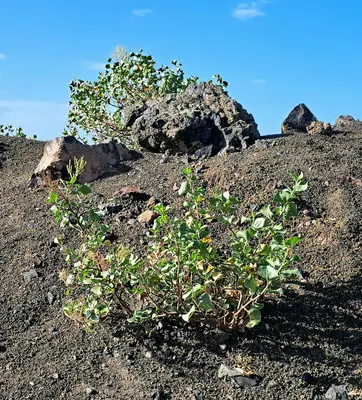
A spectacular native evergreen shrub that produces clusters of cup-shaped flowers in late spring, resembling delicate porcelain with intricate pink and white patterns. The glossy dark green leaves provide year-round structure while the stunning blooms make this a showstopper in woodland gardens. This tough native thrives in acidic soil where many other shrubs struggle.
Ninebark Diablo
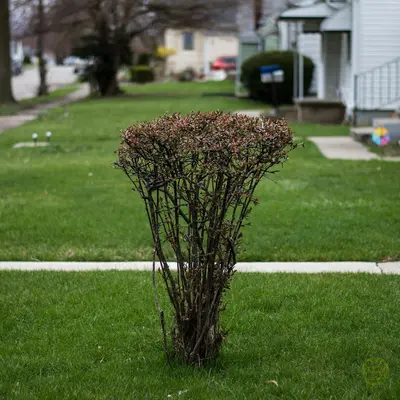
This native North American shrub offers three seasons of interest with its deep purple foliage, clusters of white flowers in spring, and colorful seed pods in fall. Diablo ninebark is incredibly tough and adaptable, thriving in conditions where other shrubs struggle while providing habitat for beneficial insects and birds. The dramatic dark foliage creates stunning contrast with lighter plants and the peeling bark adds winter interest.
PeeGee Hydrangea
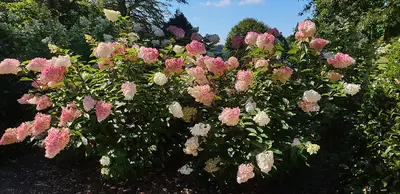
A classic Victorian-era hydrangea that produces enormous cone-shaped flower clusters that age from white to pink to bronze throughout the season. This reliable shrub is exceptionally cold hardy and blooms on new wood, ensuring flowers every year regardless of winter damage. The dramatic flower heads can reach 12 inches long and make stunning cut flowers for both fresh and dried arrangements.
Privet Hedge
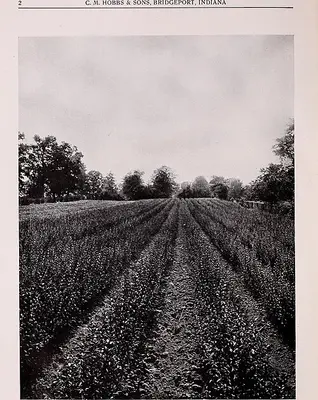
The gold standard for formal hedging that creates perfect living walls with minimal fuss. This fast-growing shrub responds beautifully to pruning and can be shaped into precise geometric forms or maintained as informal screening. Small white flowers appear in summer followed by dark berries, but the real appeal lies in its reliability and classic hedge appearance.
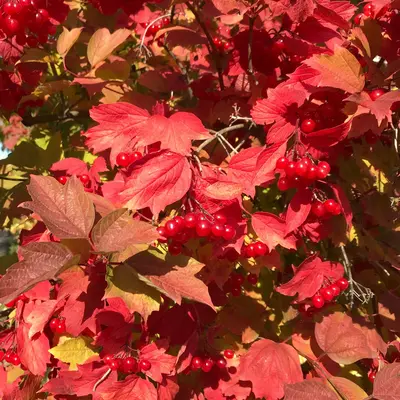
Red Twig Dogwood
A native multi-season shrub prized for its brilliant red winter stems that provide stunning color when most plants are dormant. This adaptable shrub produces clusters of white flowers in spring, followed by white berries that attract birds, while the bright red bark creates dramatic winter interest against snow. Thriving in wet soils where other shrubs fail, it's perfect for rain gardens and naturalizing.
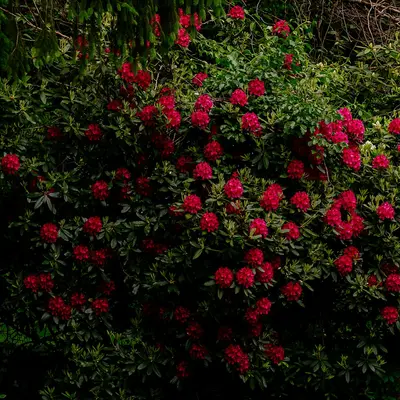
Rhododendron Catawbiense
A magnificent native evergreen rhododendron that produces spectacular clusters of lilac-purple blooms in late spring. This hardy mountain native is prized for its cold tolerance and reliability, making it one of the most dependable rhododendrons for northern gardens. The glossy dark green foliage provides year-round structure while the showy flower trusses create a breathtaking display.
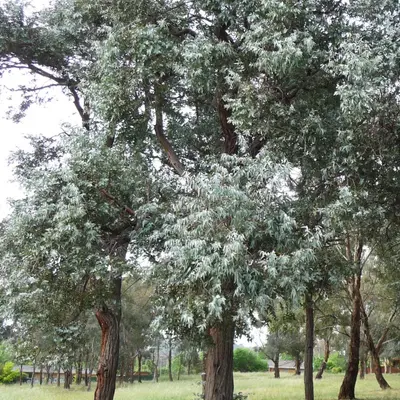
Silver Dollar
The most popular foliage for fresh, dried, or preserved use for large bunches and decorating. Also known as gum and euc. Tender perennial in Zones 9-11.
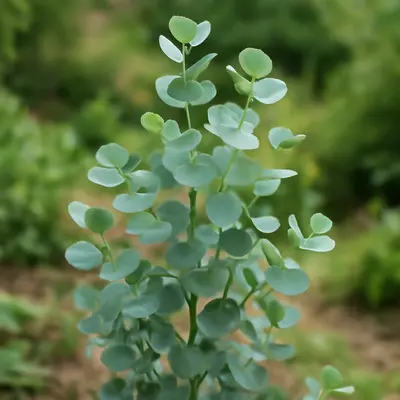
Silver Drop
Silver Drop is a moderate-difficulty heirloom shrub thriving in full sun and well-drained loam soil. Maturing in 120-150 days, this ornamental variety is distinguished by its distinctive silvery foliage that creates a striking visual contrast in landscapes. The fine, delicate leaves provide year-round appeal and serve as an excellent backdrop for flowering plants. Silver Drop's elegant appearance and hardy nature make it a popular choice for Mediterranean and contemporary garden designs.
Silver Plate
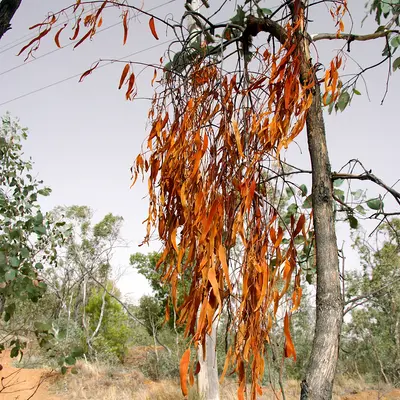
A favorite in our trials. Silvery green leaves shimmer on tall stems. Upright plants produce sturdy stems that are easy to strip and clean. Large round leaves alternate on reddish-green stems. Some variability in plant height - in our trials, plants ranged from 30-60" tall, with most reaching at least 48". Also known as 'Silver Dollar', gum, and euc. Tender perennial in Zones 9-11.
Small-Leaved Gum
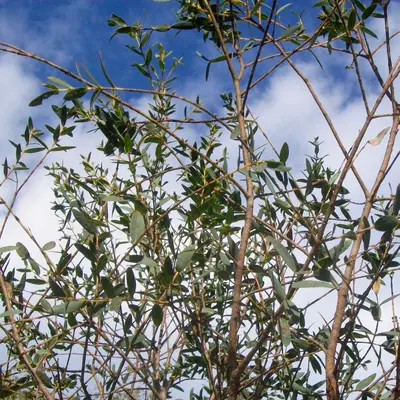
Shrub-like, compact habit in our annual trials, reaching 2-3' tall. Fine-leaf shape has a delicate appearance. Dark blue-green leaves contrast with red stems. Uniform plant habit.
Smokebush Purple
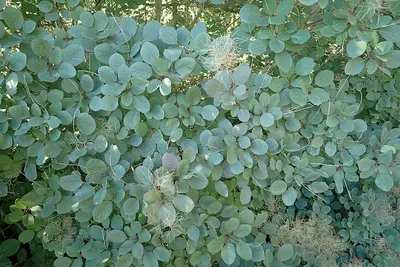
A dramatic focal point shrub renowned for its billowy, smoke-like flower plumes that create an ethereal cloud effect in summer landscapes. The deep purple foliage provides rich color all season long, intensifying to brilliant orange-red in fall for spectacular autumn interest. This low-maintenance beauty thrives in poor soils and drought conditions while delivering unmatched visual impact.
Snowball Viburnum
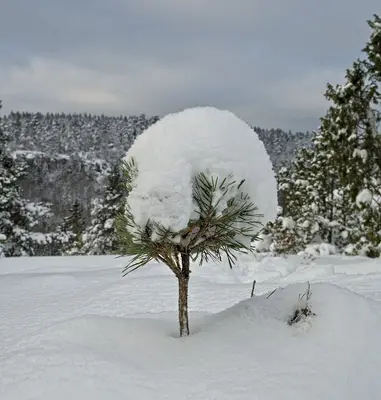
A spectacular spring showstopper that produces large, perfectly round clusters of pristine white flowers that truly resemble snowballs. This old-fashioned favorite creates dramatic focal points in the landscape and the flowers are excellent for cutting arrangements. The maple-like leaves provide attractive summer foliage and often develop good fall color in cooler climates.
Weigela Wine and Roses
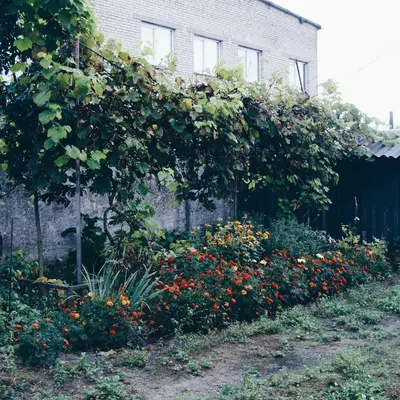
This award-winning shrub combines striking burgundy foliage with masses of rosy-pink trumpet flowers in late spring. The dramatic dark leaves provide season-long color interest, making this compact weigela perfect for adding bold contrast to mixed borders. It's remarkably easy to grow and attracts hummingbirds while deer tend to avoid it.
Winterberry Holly
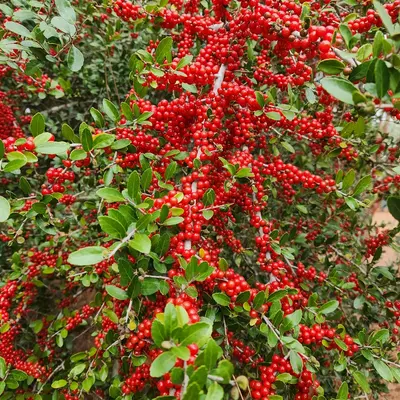
A native deciduous holly that transforms the winter landscape with brilliant red berries persisting on bare branches long after leaves have dropped. This adaptable shrub thrives in wet soils where other plants struggle, making it perfect for rain gardens or low-lying areas. The spectacular winter berry display attracts birds while providing crucial cold-season interest when most shrubs are dormant.
Witch Hazel
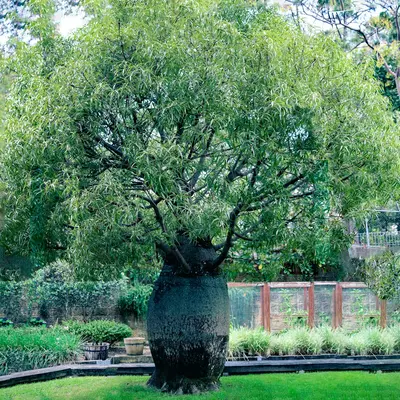
Nature's grand finale that saves its spectacular show for when all other shrubs have gone dormant. This native treasure produces clusters of fragrant, spidery yellow flowers in late fall and early winter, often while snow is on the ground. Beyond its unique blooming time, witch hazel offers excellent yellow fall color and interesting architectural branching that adds winter interest to the garden.
Zone 4 Growing Tips
Timing is everything in Zone 4 shrub gardening. Plant container-grown shrubs in late spring after your last frost date around May 10th, giving them the maximum growing season to establish before winter. However, early fall planting (late August through early September) can actually be ideal for many hardy varieties, as soil is still warm for root development while cooler air temperatures reduce transplant stress. Just ensure you plant at least 6-8 weeks before your first expected frost on September 25th.
Focus on soil preparation and protection strategies that work with your climate. Mulch heavily around new plantings to help moderate soil temperature swings and retain moisture during dry spells, but pull mulch back from stems in late fall to prevent rodent damage during long winters. Many Zone 4 shrubs benefit from a deep watering in late fall before ground freeze, and consider wrapping tender varieties like boxwood in burlap for their first winter or two until fully established.
Season Overview
Your 135-day growing season from mid-May through late September means every day counts for shrub establishment and growth. This compressed timeframe actually works in your favor for many spring-blooming shrubs like Forsythia and Bridal Wreath Spirea, which experience a more concentrated bloom period and often more intense flower color due to cooler nights. Plan your shrub selection to include varieties that bloom at different times—early spring Forsythia, summer-blooming Rose of Sharon, and fall-interest shrubs like Burning Bush—to maximize your landscape's appeal throughout the entire growing season. Late-season varieties like Witch Hazel are particularly valuable since they can bloom into October, extending your garden's beauty right up to frost.