Book-Leaf Mallee
Eucalyptus kruseana
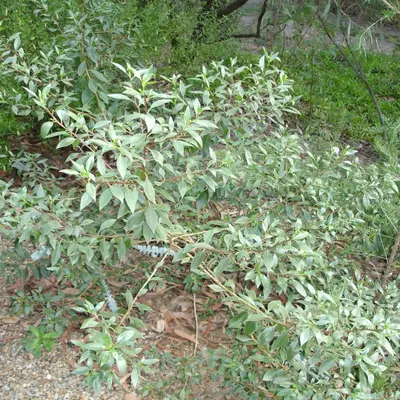
Upright plants are not as productive as our other eucalyptus, but the unique, adorable, gray-blue foliage is perfect for small design work and dried florals. 1/2" leaves. Also known as Kruse's Mallee.
Harvest
120-150d
Days to harvest
Sun
Full sun
Zones
7–10
USDA hardiness
Height
2-4 feet
Planting Timeline
Showing dates for Book-Leaf Mallee in USDA Zone 7
All Zone 7 shrub →Zone Map
Click a state to update dates
Book-Leaf Mallee · Zones 7–10
Growing Details
Complete Growing Guide
Start seeds indoors eight to ten weeks before your last spring frost date for best results with Book-Leaf Mallee. Direct sowing is possible in mild climates after frost danger has passed, but indoor starting gives you stronger transplants and extends your growing season to reach that 120-day harvest window. Use seed-starting mix with excellent drainage, as eucalyptus seeds are sensitive to moisture and will rot in heavy soil. Sow seeds shallowly, pressing them gently into the surface without covering, then mist lightly and maintain consistent moisture without waterlogging. Provide bright light from the moment seedlings emerge, as leggy growth will compromise the attractive form of these upright plants.
Space Book-Leaf Mallee plants 18 to 24 inches apart to allow air circulation and prevent humidity-related issues. These shrubs prefer well-draining soil amended with coarse sand or perlite; heavy clay soils invite root problems regardless of watering care. Full sun exposure is non-negotiable for compact growth and the development of that distinctive gray-blue foliage. Poor light produces weak, stretchy plants with muted leaf color.
Water regularly during establishment and the first growing season, keeping soil moist but never soggy. Once plants are established, reduce watering frequency as they become quite drought-tolerant. During the growing season, feed monthly with a balanced, low-nitrogen fertilizer. High nitrogen promotes excessive leafy growth at the expense of the compact, ornamental character you're cultivating for floral work.
Book-Leaf Mallee occasionally attracts spider mites in hot, dry conditions, which is ironic given their drought tolerance. Watch for fine webbing on stem tips and mottled leaves, particularly if temperatures exceed 85 degrees Fahrenheit. Improve air circulation through pruning and avoid overhead watering, which creates the humid conditions mites exploit. Early intervention with insecticidal soap prevents infestations from damaging that prized gray-blue foliage.
Prune Book-Leaf Mallee plants when they reach about 12 inches tall to encourage branching and bushier growth. The unique small leaves are perfect for delicate floral design, but you'll need to develop a multi-branched structure to harvest enough material. Later, light pruning throughout the season maintains shape and harvesting encourages fuller development.
The most common mistake gardeners make with Book-Leaf Mallee is overwatering while waiting for harvest. These plants are moderate difficulty partly because they require patience and restraint with irrigation. Once established, treat them more like Mediterranean herbs than thirsty annuals. Overwatered Book-Leaf Mallee becomes weak and susceptible to disease despite its natural vigor, undoing all your careful cultivation before you ever reach those beautiful dried florals.
Harvesting
Book-Leaf Mallee reaches harvest at 120 - 150 days from sowing per Johnny's Selected Seeds. Expect 1/2" at peak.
many-seeded capsule
Type: Capsule.
Storage & Preservation
Fresh Book-Leaf Mallee foliage lasts 7-10 days in a vase filled with cool water, kept away from direct sunlight and ripening fruit. For longer storage, dry the harvested stems by hanging them upside down in a cool, dark, well-ventilated space (ideal temperature 50-70°F, humidity below 50%). Drying typically takes 2-3 weeks; the foliage will darken slightly and become papery but retain its texture and appeal for months or even years.
Once fully dry, store bundles loosely in boxes lined with acid-free tissue in a cool, dark location away from moisture and pests. Properly dried Book-Leaf Mallee foliage remains usable for 12+ months. For long-term preservation, avoid plastic storage, which traps humidity and can cause mold or color fading. Some gardeners also press individual leaves between parchment paper in heavy books for botanical crafting or pressed-flower projects, a method that preserves the distinctive gray-blue hue indefinitely.
History & Origin
Book-Leaf Mallee is open-pollinated, meaning seed saved from healthy plants will produce true-to-type offspring. Listed in the Johnny's Selected Seeds catalog.
Origin: Philippines to Australia
Advantages
- +Unique gray-blue foliage is visually striking and highly desirable for florists.
- +Tiny half-inch leaves are perfect for delicate, intricate floral design work.
- +Excellent dried flower material that maintains color and form beautifully.
- +Compact upright growth habit suits small gardens and space-limited designs.
Considerations
- -Lower productivity compared to other eucalyptus varieties limits commercial viability.
- -Moderate difficulty level requires experience and careful cultivation practices.
- -Extended 120-150 day growing season demands patience before harvest.
Companion Plants
Book-Leaf Mallee is an Australian dryland shrub, and it does best in the company of other Australian dryland plants. Acacia, Banksia, Hakea, and Grevillea all share its preference for sharp drainage, low phosphorus, and lean soil — pair them and you can water and feed (or not feed) the whole bed on one schedule. Tea Tree (Melaleuca) and Bottlebrush (Callistemon) add a bit of overhead shelter without crowding the roots, and native grasses plus Saltbush fill the ground layer without fighting for the 12-18 inch root zone where kruseana feeds.
Pine trees are the problem pairing. Acidic needle litter shifts surface pH down, and the dense mat of shallow pine roots competes for what little moisture the mallee needs in summer. You'll also get drip-line shading that flattens the silver-blue waxy bloom on the leaves into a dull green. Give kruseana at least 15 feet of clearance from any established Pinus, and don't mulch it with pine straw either.
Plant Together
Acacia
Nitrogen-fixing root nodules improve soil fertility for the mallee
Grevillea
Similar water requirements and attracts beneficial insects for pest control
Banksia
Compatible fire adaptation and attracts native pollinators
Tea Tree (Melaleuca)
Natural pest deterrent properties and similar soil preferences
Native Grasses
Provides ground cover, reduces erosion, and creates beneficial microhabitat
Bottlebrush (Callistemon)
Attracts beneficial birds and insects while tolerating similar conditions
Hakea
Deep taproot brings nutrients up while providing wind protection
Saltbush
Salt tolerance complements mallee's drought resistance and improves soil structure
Keep Apart
Pine Trees
Acidic needle drop creates unfavorable soil pH for eucalyptus species
Troubleshooting Book-Leaf Mallee
What you'll see, why it happens, and what to do about it.
Leaves losing their silver-blue color and turning dull green, often with leggy new growth
Likely Causes
- Too much shade — kruseana needs a full 6+ hours of direct sun to hold its glaucous bloom
- Over-fertilizing, especially with phosphorus (most eucalypts evolved on phosphorus-poor soils)
What to Do
- 1.Move container plants into full sun, or limb up nearby trees casting afternoon shade
- 2.Stop all fertilizer; if you've been feeding, flush the root zone with plain water
- 3.Prune the leggy growth back by a third in late winter to force tight, well-colored new shoots
Sudden wilting and collapse, sometimes with dark staining at the base of the stem
Likely Causes
- Phytophthora cinnamomi root rot — the classic killer of eucalypts in wet, poorly-drained soil
- Heavy clay holding water around the crown, especially over winter
What to Do
- 1.Pull the plant; there is no cure once collapse starts. Don't replant a eucalypt in the same spot
- 2.For surviving plants nearby, stop all supplemental water and improve drainage with a raised berm or grit-amended mound
- 3.Site future plantings on a slope or in a raised bed with at least 50% coarse sand or decomposed granite mixed in
Branch dieback and split bark after a hard winter, mostly in zone 7
Likely Causes
- Cold damage — kruseana is rated to about 20-25°F and suffers below that
- Wet roots going into a freeze, which makes cold injury much worse
What to Do
- 1.Wait until you see green buds pushing in late spring before pruning — eucalypts often resprout from lignotubers even when the top looks dead
- 2.Cut dead wood back to live tissue and let the plant rebuild from the base
- 3.In zone 7, plant on the south side of a wall or windbreak and keep the root zone dry from November on
Frequently Asked Questions
How do you grow Book-Leaf Mallee from seed?▼
Is Book-Leaf Mallee cold hardy?▼
How long does it take to harvest Book-Leaf Mallee foliage?▼
Can you grow Book-Leaf Mallee in containers?▼
What is Book-Leaf Mallee used for?▼
How long does dried Book-Leaf Mallee last?▼
Zone-by-Zone Planting Calendar
Growing Guides from Wind River Greens
Sources & References
External authority sources used in compiling this guide.
- BreederJohnny's Selected Seeds
See the Methodology page for how this data is sourced, what's AI-assisted, and known limitations.