Zone 9 Coverage
Planting Timeline — All Varieties
Growing Shrubs & Hedges in Zone 9
Zone 9 gardeners enjoy one of the most generous growing seasons in the continental United States, with nearly 290 frost-free days stretching from mid-February through November. This extended season opens up incredible opportunities for both evergreen and deciduous shrubs, allowing heat-loving varieties like Camellia Japonica and French Lavender to truly thrive alongside traditional favorites. However, the intense summer heat and humidity that defines much of Zone 9 can stress plants that aren't adapted to these conditions, making variety selection crucial for long-term success.
The key to successful shrub gardening in Zone 9 lies in choosing varieties that can handle both the blessing and curse of your climate: the long growing season paired with potentially scorching summers. Look for shrubs with proven heat tolerance, good drought resistance once established, and the ability to handle humidity without developing fungal issues. The varieties we've selected here have all proven themselves in Zone 9 conditions, from the reliable blooms of Knock Out Roses that power through summer heat to the elegant Oakleaf Hydrangeas that provide both spring flowers and outstanding fall color. These aren't just plants that survive in Zone 9—they're shrubs that will make your garden the envy of colder zones.
Variety Comparison
| Variety ↑ | Days | Difficulty |
|---|---|---|
| Annabelle Hydrangea | — | Easy |
| Baby Blue Bouquet | 120-150 | Moderate |
| Book-Leaf Mallee | 120-150 | Moderate |
| Camellia Japonica | — | Moderate |
| Coral Honeysuckle | — | Easy |
| E. tereticornis | 120-150 | Moderate |
| Endless Summer Hydrangea | — | Moderate |
| Fragrant Sumac | — | Easy |
| French Hydrangea | — | Moderate |
| Japanese Kerria | — | Easy |
| Lemon Bush | 120-150 | Moderate |
| Mahogany Splendor | 115-130 | Moderate |
| Mountain Laurel | — | Moderate |
| Oakleaf Hydrangea | — | Easy |
| Rose of Sharon | — | Easy |
| Silver Dollar | 120-150 | Moderate |
| Silver Drop | 120-150 | Moderate |
| Silver Plate | 120-150 | Moderate |
| Small-Leaved Gum | 120-150 | Moderate |
| Sunshine Ligustrum | — | Easy |
| Winterberry Holly | — | Easy |
| Witch Hazel | — | Moderate |
Variety Details
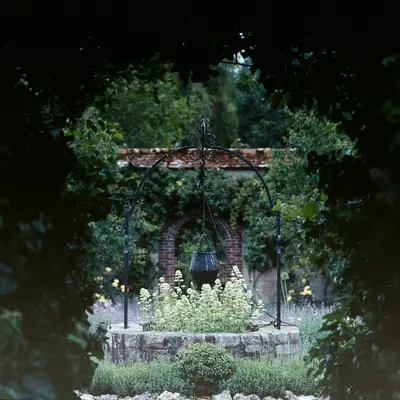
Annabelle Hydrangea
A spectacular native hydrangea that produces enormous white flower heads up to 12 inches across from summer through fall, creating a stunning display in shade gardens. This hardy shrub blooms reliably every year on new wood and naturalizes beautifully in woodland settings while tolerating a wide range of conditions. The massive snowball-like blooms age to pale green and dry beautifully for winter interest.
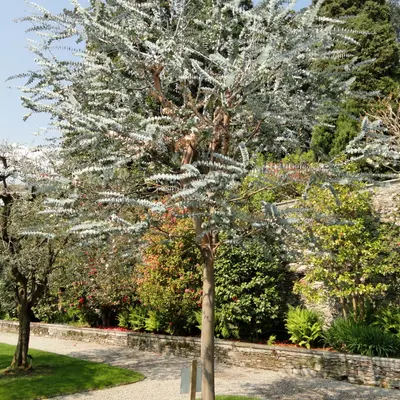
Baby Blue Bouquet
Very similar to Baby Blue. Robust plants produce column-like, sturdy stems packed with waxy, silvery blue leaves. Round, 2" leaves. Also known as silverleaf mountain gum, gum, and euc. Tender perennial in Zones 9-11.
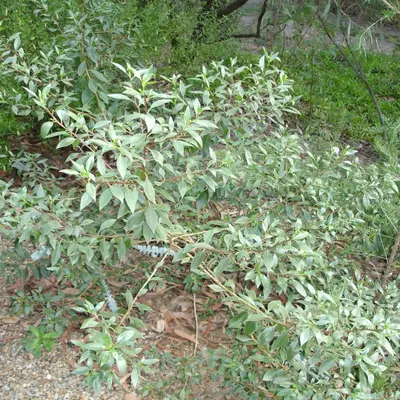
Book-Leaf Mallee
Upright plants are not as productive as our other eucalyptus, but the unique, adorable, gray-blue foliage is perfect for small design work and dried florals. 1/2" leaves. Also known as Kruse's Mallee.
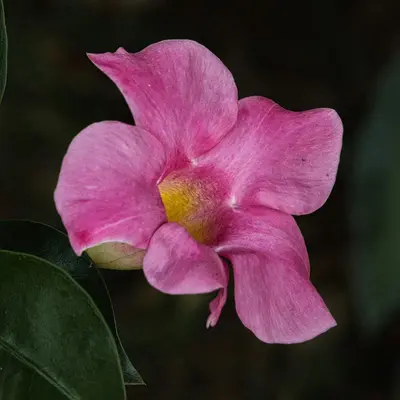
Camellia Japonica
An elegant evergreen that brings sophisticated beauty to winter gardens with its glossy dark green foliage and spectacular blooms. Flowers appear from late fall through early spring in shades of pink, red, or white, providing color when most other shrubs are dormant. This aristocratic shrub creates stunning focal points and works beautifully as a specimen plant or informal hedge.
Coral Honeysuckle
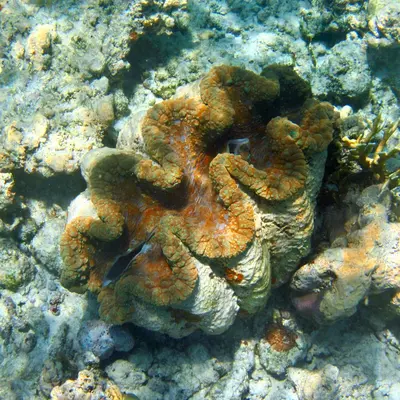
America's native honeysuckle vine that hummingbirds absolutely adore, featuring tubular coral-red flowers from spring through fall. Unlike its invasive cousins, this well-behaved climber stays put while providing months of nectar for hummingbirds and butterflies. The blue-green foliage and bright red berries add year-round interest to any garden structure.
E. tereticornis
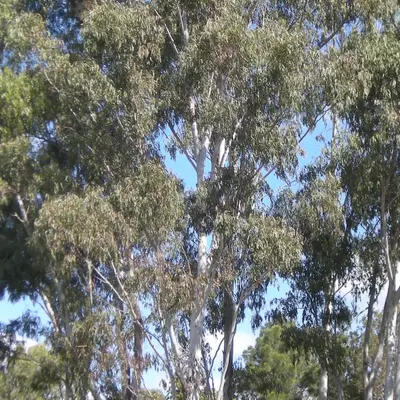
Tall, upright, productive plants produce sturdy stems that are easy to process for cut foliage. 3-6" long, arrow-shaped leaves are primarily green to dark green, while new leaf growth displays a contrasting and attractive dark red leaf color which varies across plants and intensifies as temperatures cool in the fall. Dark green leaves contrast nicely with red stems. Elegant addition to arrangements and mixed eucalyptus bunches. Tender perennial in Zones 9-11.
Endless Summer Hydrangea
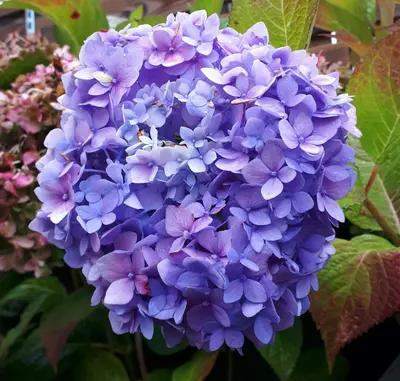
The breakthrough hydrangea that blooms on both old and new wood, ensuring spectacular flower displays even after harsh winters. This reblooming marvel produces large mophead flowers that can be blue, pink, or purple depending on soil pH, creating a stunning focal point from early summer through fall. Perfect for gardeners who thought hydrangeas were too finicky for their climate.
Fragrant Sumac
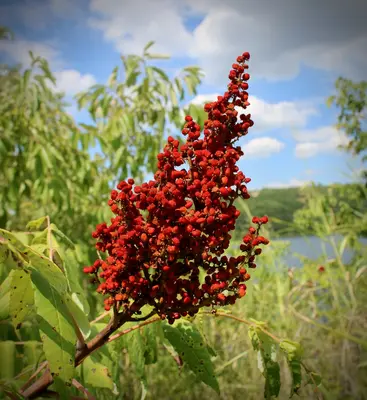
A tough, native shrub prized for its exceptional drought tolerance and brilliant orange-red fall color that rivals any maple. Small yellow flowers appear before the leaves in early spring, followed by red berries that attract birds. This adaptable groundcover shrub thrives in difficult sites where other plants struggle, making it perfect for slopes and naturalized areas.
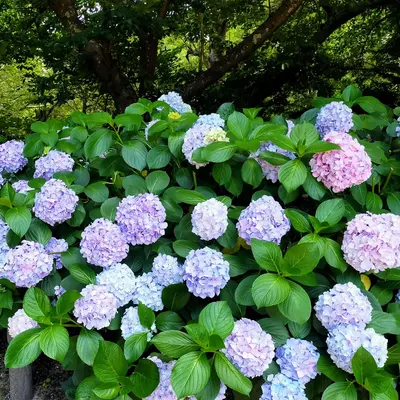
French Hydrangea
The classic mophead hydrangea that transforms any garden into a cottage paradise with its massive, globe-shaped flower clusters. These stunning shrubs are famous for their color-changing ability - producing blue blooms in acidic soil and pink in alkaline conditions. A timeless favorite that delivers months of spectacular color and makes excellent cut flowers.
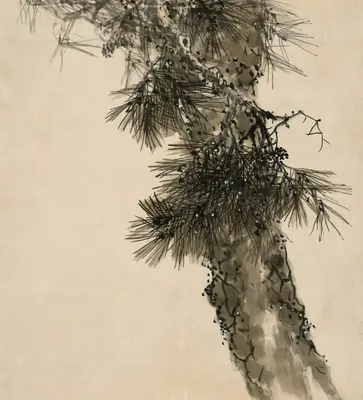
Japanese Kerria
A charming spring bloomer that produces abundant golden-yellow pompom flowers on bright green arching stems that remain attractive even in winter. This easy-care shrub tolerates shade better than most flowering shrubs and provides months of cheerful color in woodland gardens. The double-flowered variety creates an impressive display that rivals forsythia but with a more refined appearance.
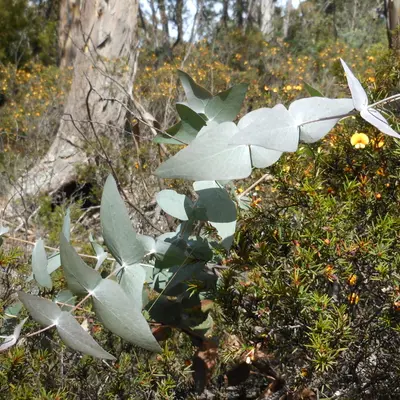
Lemon Bush
Medium-green, 2-7", sword-shaped leaves that produce a strong citronella fragrance. Leaf and stem tips turn a lovely red color in late summer/fall. Less durable foliage than standard eucalyptus.
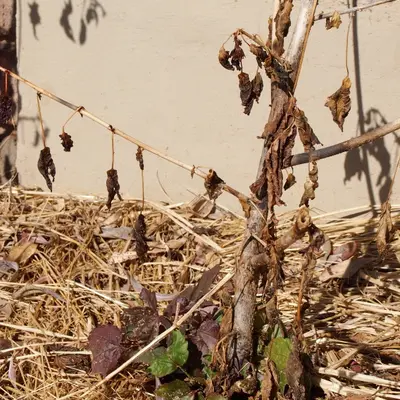
Mahogany Splendor
Decorative, deeply cut foliage with maple-leaf appearance, rich color, and sturdy branches. Ideal for late summer and fall arrangements. Primarily grown for use as cut flower foliage, the vigorous, drought- and heat-tolerant plants are also suitable for containers and landscaping. The abundant color and tall stature make Mahogany Splendor a lovely backdrop in the garden or patio. NOTE: If grown indoors or in part shade, foliage will be green to rust in color; the mahogany color develops fully in full sun. Also known as red-leaf hibiscus, false roselle, African rose mallow, and cranberry hibiscus. Tropical, herbaceous perennial in Zones 8a-9b. Tender perennial or annual in all other growing zones.
Mountain Laurel
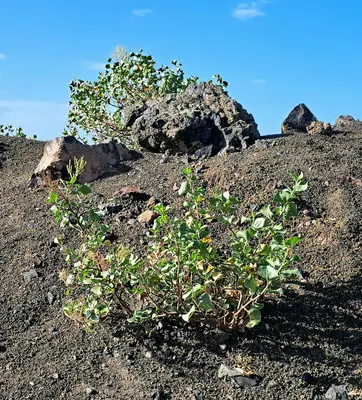
A spectacular native evergreen shrub that produces clusters of cup-shaped flowers in late spring, resembling delicate porcelain with intricate pink and white patterns. The glossy dark green leaves provide year-round structure while the stunning blooms make this a showstopper in woodland gardens. This tough native thrives in acidic soil where many other shrubs struggle.
Oakleaf Hydrangea
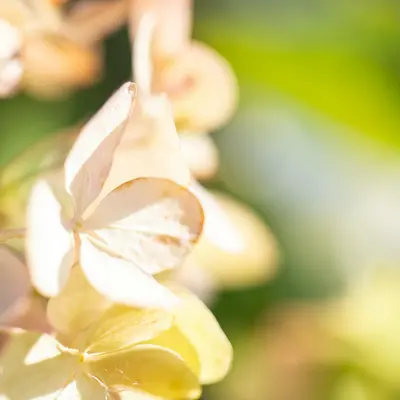
A stunning native hydrangea that offers true four-season interest with its distinctive oak-shaped leaves, elegant white flower clusters, and spectacular fall foliage in shades of orange, red, and burgundy. This shade-tolerant beauty produces cone-shaped flowers that age gracefully from white to pink to brown, providing months of interest. The exfoliating bark adds winter appeal, making this one of the most ornamentally valuable shrubs for American gardens.
Rose of Sharon
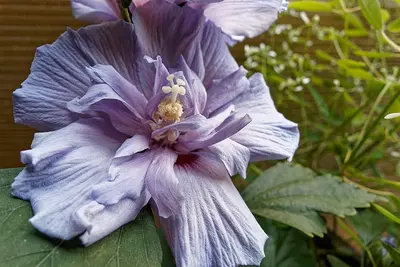
A stunning late-summer bloomer that produces tropical-looking hibiscus flowers when most other shrubs have finished flowering. This hardy deciduous shrub is incredibly low-maintenance and drought-tolerant once established, making it perfect for busy gardeners. The abundant blooms attract butterflies and hummingbirds while providing beautiful privacy screening.
Silver Dollar
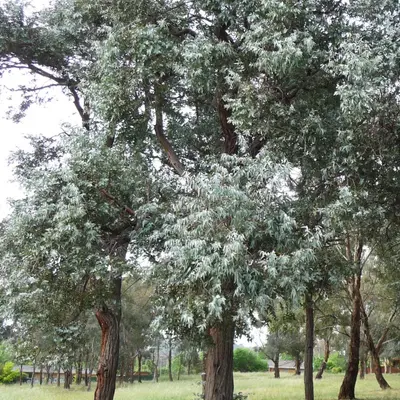
The most popular foliage for fresh, dried, or preserved use for large bunches and decorating. Also known as gum and euc. Tender perennial in Zones 9-11.
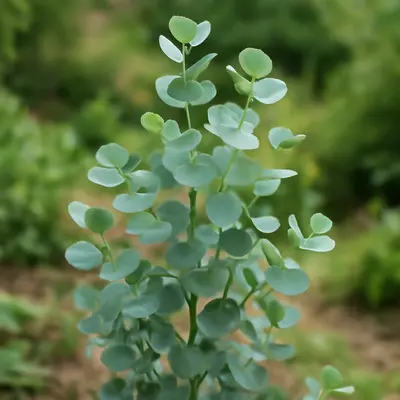
Silver Drop
Silver Drop is a moderate-difficulty heirloom shrub thriving in full sun and well-drained loam soil. Maturing in 120-150 days, this ornamental variety is distinguished by its distinctive silvery foliage that creates a striking visual contrast in landscapes. The fine, delicate leaves provide year-round appeal and serve as an excellent backdrop for flowering plants. Silver Drop's elegant appearance and hardy nature make it a popular choice for Mediterranean and contemporary garden designs.
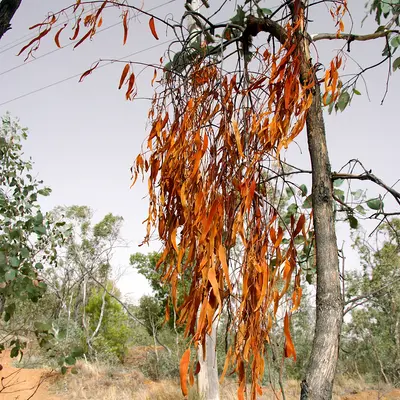
Silver Plate
A favorite in our trials. Silvery green leaves shimmer on tall stems. Upright plants produce sturdy stems that are easy to strip and clean. Large round leaves alternate on reddish-green stems. Some variability in plant height - in our trials, plants ranged from 30-60" tall, with most reaching at least 48". Also known as 'Silver Dollar', gum, and euc. Tender perennial in Zones 9-11.
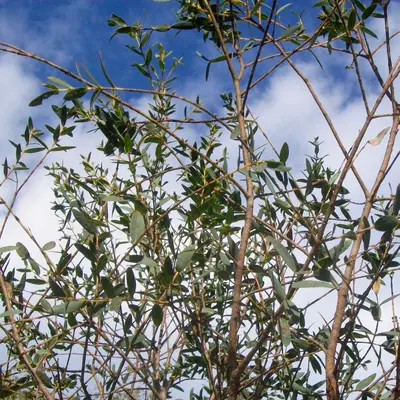
Small-Leaved Gum
Shrub-like, compact habit in our annual trials, reaching 2-3' tall. Fine-leaf shape has a delicate appearance. Dark blue-green leaves contrast with red stems. Uniform plant habit.
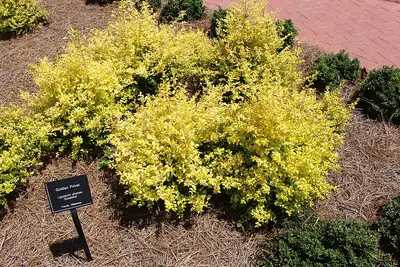
Sunshine Ligustrum
A golden-leafed evergreen shrub that brightens any landscape with its brilliant yellow-green foliage that holds its color year-round. This compact, low-maintenance plant produces small white flowers followed by dark berries, but it's grown primarily for its stunning golden color. Perfect for adding bright contrast to mixed borders and foundation plantings.
Winterberry Holly
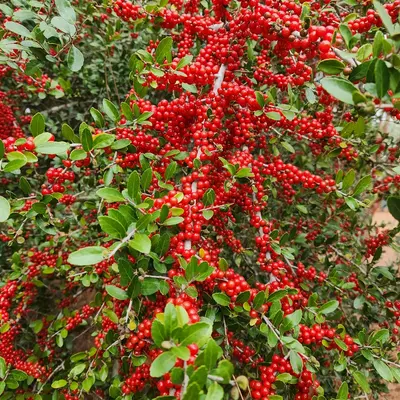
A native deciduous holly that transforms the winter landscape with brilliant red berries persisting on bare branches long after leaves have dropped. This adaptable shrub thrives in wet soils where other plants struggle, making it perfect for rain gardens or low-lying areas. The spectacular winter berry display attracts birds while providing crucial cold-season interest when most shrubs are dormant.
Witch Hazel
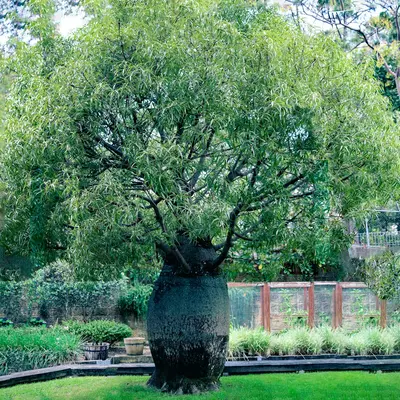
Nature's grand finale that saves its spectacular show for when all other shrubs have gone dormant. This native treasure produces clusters of fragrant, spidery yellow flowers in late fall and early winter, often while snow is on the ground. Beyond its unique blooming time, witch hazel offers excellent yellow fall color and interesting architectural branching that adds winter interest to the garden.
Zone 9 Growing Tips
Your extended growing season means you have two excellent planting windows that colder zones can't match. Fall planting from mid-October through November takes advantage of your mild winters, giving shrubs months to establish strong root systems before facing their first summer heat. Spring planting should be completed by early April to give new plants time to settle in before the intense heat arrives. Avoid planting during the peak summer months of July and August unless you're prepared for intensive watering and monitoring.
Zone 9's summer heat and humidity create unique challenges that require specific strategies. Mulching becomes absolutely critical—maintain a 3-4 inch layer around all shrubs to keep roots cool and retain moisture during those brutal August days. Many Zone 9 gardeners underestimate how quickly established shrubs can suffer during heat waves, especially newly planted ones. Even drought-tolerant varieties like Barberry Red Rocket and Fragrant Sumac need consistent water their first summer. Pay special attention to air circulation when siting shrubs; the high humidity can promote fungal issues on varieties like roses and hydrangeas if they don't have good airflow.
Season Overview
With your last frost averaging February 15 and first frost not arriving until December 1, you're working with an incredibly long 290-day growing season that allows for extended bloom periods and multiple growth flushes. This means spring bloomers like Forsythia and Mock Orange can be followed by summer performers like Rose of Sharon and Endless Summer Hydrangea, then finished with fall color from Burning Bush and Oakleaf Hydrangea. Your mild winters also mean many evergreen shrubs like Boxwood and Japanese Yew remain attractive year-round, while deciduous varieties have time to develop impressive fall displays before the late first frost arrives.