Silver Plate
Eucalyptus polyanthemos
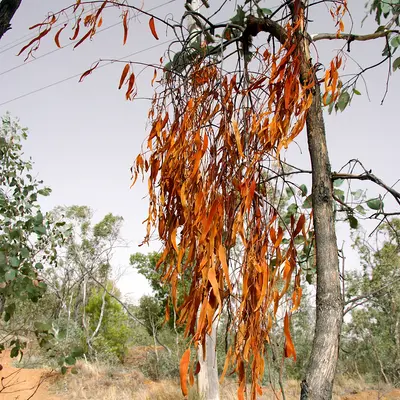
A favorite in our trials. Silvery green leaves shimmer on tall stems. Upright plants produce sturdy stems that are easy to strip and clean. Large round leaves alternate on reddish-green stems. Some variability in plant height - in our trials, plants ranged from 30-60" tall, with most reaching at least 48". Also known as 'Silver Dollar', gum, and euc. Tender perennial in Zones 9-11.
Harvest
120-150d
Days to harvest
Sun
Full sun
Zones
7–10
USDA hardiness
Height
30-60 inches
Planting Timeline
Showing dates for Silver Plate in USDA Zone 7
All Zone 7 shrub →Zone Map
Click a state to update dates
Silver Plate · Zones 7–10
Growing Details
Complete Growing Guide
Silver Plate Eucalyptus thrives when started indoors 6 to 8 weeks before your last frost date. Sow seeds directly on moist seed-starting mix without covering them, as they require light to germinate. Keep the soil consistently moist but not waterlogged, and maintain temperatures around 70°F for best results. Once seedlings develop their first true leaves, you can transition them to individual containers. Harden off plants gradually over 7 to 10 days before moving them outside after all frost danger has passed.
Space Silver Plate plants 18 to 24 inches apart to allow their characteristic sturdy stems room to develop fully. These plants can reach 30 to 60 inches tall depending on growing conditions, so give them adequate space to showcase their upright habit. Prepare soil by working in compost or well-draining potting mix, as Silver Plate performs best in fertile, loose soil that won't retain excess moisture. Good drainage is essential, as eucalyptus is susceptible to root rot in soggy conditions.
Water regularly during the growing season, especially in the first month after transplanting, but allow the soil to dry slightly between waterings once established. This variety appreciates consistent moisture without being waterlogged. Feed every two weeks with a balanced, water-soluble fertilizer to encourage robust stem production and maintain the silvery-green foliage's vibrant appearance. Reduce feeding by mid-summer to avoid promoting excessive vegetative growth that may weaken stems.
Silver Plate's main vulnerability is powdery mildew, particularly in humid conditions or when air circulation is poor. Ensure plants receive full sun and space them with adequate airflow. If mildew appears on the reddish-green stems or leaves, remove affected growth promptly and consider a sulfur-based fungicide. Spider mites occasionally trouble eucalyptus in dry climates, so monitor leaf undersides and increase humidity if populations appear.
Pruning is beneficial for Silver Plate, encouraging bushier growth and more harvestable stems. Pinch back the growing tips when plants are 12 inches tall to promote branching. Regular harvest of stems for arrangements actually serves as pruning, so begin cutting once plants reach usable size around 120 days. Strip lower leaves from stems before arranging to extend vase life and showcase the striking reddish-green coloring.
Many gardeners underestimate Silver Plate's need for consistent light. This variety demands full sun—at least 6 to 8 hours daily—to develop its signature silvery-green coloration and strong, upright stems. In partial shade, plants become leggy, leaves lose their luster, and stems may bend or weaken. Position plants in your sunniest location for optimal results and the best harvest of those sturdy, easy-to-clean stems that make Silver Plate such a favorite.
Harvesting
Silver Plate reaches harvest at 120 - 150 days from sowing per Johnny's Selected Seeds. Expect 30-60" at peak.
many-seeded capsule
Type: Capsule.
Storage & Preservation
**Fresh Storage**
Store freshly cut Silver Plate stems in a clean vase with cool water (50–55°F is ideal). Change water every 2–3 days and trim stem ends by ½ inch before each change. In cool conditions, stems remain fresh 2–3 weeks. Keep away from ethylene-producing fruits and direct sunlight, which accelerates leaf drop.
**Preservation Methods**
*Air Drying:* Bundle stems loosely with twine and hang upside-down in a dry, dark, well-ventilated space (basement or shed) for 2–3 weeks. Dried Silver Plate retains its silvery color and becomes permanent for winter arrangements.
*Glycerin Preservation:* Condition fresh stems in warm water for 2 hours, then transfer to a solution of 1 part glycerin to 2 parts water. Stems absorb the solution over 7–10 days, resulting in pliable, long-lasting foliage with deeper color tones—ideal for high-end floristry.
*Pressing:* For botanical specimens or crafts, press individual leaves between newspaper under a heavy weight for 2–3 weeks in a dry location.
History & Origin
Silver Plate is open-pollinated, meaning seed saved from healthy plants will produce true-to-type offspring. Listed in the Johnny's Selected Seeds catalog.
Origin: Philippines to Australia
Advantages
- +Silvery-green foliage creates striking visual appeal in arrangements and gardens.
- +Tall upright stems grow sturdy and strip cleanly for floral work.
- +Large round leaves provide excellent texture for bouquets and design.
- +120-150 day season allows multiple harvests in warm climates.
Considerations
- -Height variability (30-60 inches) makes planning and uniformity challenging for growers.
- -Tender perennial requires winter protection or replanting in cold zones.
- -Moderate difficulty level demands consistent care and proper growing conditions.
Companion Plants
Lavender, rosemary, and Russian sage are the best neighbors here — all three share Silver Plate's preference for lean soil and good drainage, so they won't pull you into managing two different irrigation regimes in the same bed. Catmint and yarrow fill in at the front without shading the base. Skip black walnut (Juglans nigra) entirely: the roots release juglone, a compound that accumulates in soil and can stunt or kill ornamentals planted within its reach. Mint is also worth keeping out — not because it harms Eucalyptus polyanthemos directly, but because it spreads by runners and will colonize the bed faster than you expect, crowding out everything else.
Plant Together
Lavender
Attracts beneficial pollinators and repels deer and rabbits with strong fragrance
Rosemary
Similar water requirements and provides natural pest deterrent properties
Catmint
Repels aphids and ants while attracting beneficial insects
Marigolds
Natural nematode control and attracts beneficial predatory insects
Ornamental Grasses
Provides contrasting texture and helps with soil erosion control
Sedum
Similar drought tolerance and attracts pollinators late in season
Russian Sage
Complementary silver foliage and shared preference for well-draining soil
Yarrow
Attracts beneficial insects and improves soil through dynamic accumulation
Keep Apart
Black Walnut
Produces juglone toxin that inhibits growth of many shrubs
Mint
Aggressive spreading nature can overwhelm and compete with shrub roots
Eucalyptus
Allelopathic compounds inhibit growth of nearby plants
Troubleshooting Silver Plate
What you'll see, why it happens, and what to do about it.
Leaves developing gray, powdery coating on upper surface, most visible on new growth in humid conditions
Likely Causes
- Powdery mildew (Erysiphe or Oidium spp.) — favored by warm days, cool nights, and poor airflow
- Planting too close together; 18-24 inch spacing is a minimum, not a suggestion
What to Do
- 1.Thin surrounding plants to open up airflow around the canopy
- 2.Spray with a diluted neem oil solution (2 tsp per quart of water) every 7-10 days until symptoms stop spreading
- 3.Avoid overhead irrigation — water at the base
Young stems wilting and collapsing at soil level shortly after transplant, even with adequate water
Likely Causes
- Root rot from Phytophthora or Pythium spp. — both thrive in heavy, waterlogged soil
- Transplanting into a low spot where water pools after rain
What to Do
- 1.Dig up the plant and check roots — rotted roots are brown and mushy rather than white and firm; if more than half are gone, compost the plant and start over
- 2.Amend the bed with coarse sand or fine gravel before replanting to improve drainage
- 3.Hold off watering until the top 2 inches of soil are dry to the touch
Leaf edges browning and curling inward, tips going crispy, starting on older growth first
Likely Causes
- Wind desiccation — eucalyptus foliage loses moisture fast in exposed, windy sites
- Transplant shock within the first 30 days before roots are established
What to Do
- 1.Erect a temporary windbreak — burlap staked on the windward side works fine — for the first 4-6 weeks after transplant
- 2.Deep-water at the base every 5-7 days during the establishment window rather than light daily sprinkles
- 3.Mulch 2-3 inches deep around the base to hold soil moisture, keeping mulch an inch or two back from the stem
Frequently Asked Questions
How long does Silver Plate eucalyptus take to grow from seed to first harvest?▼
Can you grow Silver Plate in containers or pots?▼
Is Silver Plate eucalyptus good for beginners?▼
When is the best time to plant Silver Plate seeds or seedlings?▼
How often can you harvest from a Silver Plate plant?▼
What's the difference between Silver Plate and other eucalyptus varieties?▼
Zone-by-Zone Planting Calendar
Growing Guides from Wind River Greens
Sources & References
External authority sources used in compiling this guide.
- BreederJohnny's Selected Seeds
See the Methodology page for how this data is sourced, what's AI-assisted, and known limitations.