Lemon Bush
Eucalyptus citriodora
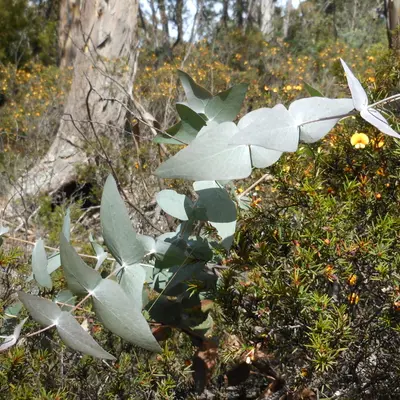
Medium-green, 2-7", sword-shaped leaves that produce a strong citronella fragrance. Leaf and stem tips turn a lovely red color in late summer/fall. Less durable foliage than standard eucalyptus.
Harvest
120-150d
Days to harvest
Sun
Full sun
Zones
7–10
USDA hardiness
Height
2-4 feet
Planting Timeline
Showing dates for Lemon Bush in USDA Zone 7
All Zone 7 shrub →Zone Map
Click a state to update dates
Lemon Bush · Zones 7–10
Growing Details
Complete Growing Guide
Lemon Bush eucalyptus thrives best when started indoors 6 to 8 weeks before your last spring frost date. Sow seeds directly on moist seed-starting mix without covering them, as they require light to germinate. Keep the soil consistently moist but not waterlogged, and maintain temperatures between 65 and 75 degrees Fahrenheit for reliable sprouting within 10 to 14 days. Once seedlings develop their first true leaves, you can gradually acclimate them to outdoor conditions over 7 to 10 days before transplanting after all frost danger has passed.
Space Lemon Bush plants 18 to 24 inches apart to allow their spreading habit room to develop without crowding. They prefer well-draining soil amended with compost or aged bark to improve structure and prevent root rot, a particular concern with this variety. Choose a location with full sun exposure—at least 6 to 8 hours daily—as this intensifies both the citronella fragrance and the attractive red coloring that develops on leaf tips in late summer and fall. Plant at the same depth they were growing in their containers, firming soil gently around the base.
Water Lemon Bush deeply but infrequently once established, allowing the soil surface to dry between waterings. Young plants benefit from consistent moisture for the first month, but mature plants are relatively drought-tolerant. Feed every 3 to 4 weeks during the active growing season with a balanced, slow-release fertilizer. Avoid over-fertilizing, as excessive nitrogen promotes soft growth that this variety struggles to support consistently.
Watch closely for spider mites and scale insects, which attack Lemon Bush more aggressively than standard eucalyptus varieties, particularly when plants are stressed by inconsistent watering or poor air circulation. The softer foliage that gives this cultivar its charm also makes it more vulnerable to these pests. Inspect leaf undersides regularly and spray with insecticidal soap at the first sign of infestation. Powdery mildew can develop in humid conditions, so ensure adequate spacing for air flow around each plant.
Prune Lemon Bush lightly in early spring to encourage bushier growth and to remove any winter-damaged stems, which appear more frequently on this variety than on hardier eucalyptus types. Pinch growing tips during the first 6 weeks after planting to promote branching. Because the foliage is less durable than standard eucalyptus, avoid heavy cutting that removes more than one-third of the plant at once.
The most common mistake gardeners make with Lemon Bush is overwatering, particularly in cooler months. While the plant enjoys moisture during active growth, waterlogged soil quickly leads to root decline and fungal issues. During winter or in rainy climates, reduce watering significantly and ensure drainage is excellent.
Harvesting
Lemon Bush reaches harvest at 120 - 150 days from sowing per Johnny's Selected Seeds. Expect 2-7" at peak.
many-seeded capsule
Type: Capsule.
Storage & Preservation
Fresh Lemon Bush foliage stores best in a vase of cool water indoors, where it remains fragrant for 7-10 days. Keep the vase out of direct sunlight and change water every 2-3 days to extend vase life. Alternatively, loosely wrap fresh leaves in a damp paper towel and refrigerate in a plastic bag for up to 5 days—though fragrance diminishes more quickly this way.
For longer-term preservation, air-dry leaves by hanging small bundles upside down in a warm, well-ventilated space away from direct sun. Dried Lemon Bush leaves retain fragrance for 3-6 months and can be used in potpourri, dried arrangements, or sachets. Place dried leaves in airtight containers with cotton balls to concentrate and preserve the citronella scent. Another option is to freeze fresh leaves layered between parchment paper in freezer bags—frozen leaves lose some aromatic intensity but work well for herbal infusions or craft projects.
History & Origin
Lemon Bush is open-pollinated, meaning seed saved from healthy plants will produce true-to-type offspring. Listed in the Johnny's Selected Seeds catalog.
Origin: Philippines to Australia
Advantages
- +Strong citronella fragrance makes it excellent for natural pest deterrent purposes.
- +Attractive red-tipped foliage in fall provides ornamental appeal beyond green leaves.
- +Medium growth habit suits container cultivation and smaller garden spaces well.
- +Sword-shaped leaves create distinctive visual texture different from typical rounded shrub foliage.
Considerations
- -Foliage is notably less durable than standard eucalyptus varieties, bruising easily.
- -Requires moderate care and attention, making it unsuitable for neglectful gardeners.
- -Long 120-150 day growing period demands patience before reaching mature size.
- -Fragrance intensity may diminish if leaves are bruised or handled frequently.
Companion Plants
Lavender, rosemary, and thyme are the natural neighbors here — all three want lean, well-drained soil and 6+ hours of sun, so they won't pull water away from Lemon Bush or shade it out as the season goes on. That aromatic cluster also does real work against aphids and whiteflies, which orient to host plants partly by scent; a dense mixed planting scrambles those cues enough to reduce landing rates. Marigolds add another layer: their root secretions have a documented suppressive effect on root-knot nematodes (Meloidogyne spp.), which matters if your bed has had nematode problems in a previous season.
Fennel needs to stay at least 10 feet away. Its root exudates are broadly allelopathic — they slow germination and suppress growth in a wide range of plants, including most Mediterranean-climate shrubs. Black walnut (Juglans nigra) is a harder constraint: the juglone it produces through roots and decomposing leaves is directly toxic to many woody plants, and Eucalyptus citriodora has no particular resistance to it. Skip any spot within the canopy drip line of an existing walnut. Finally, don't underplant Lemon Bush beneath another eucalyptus species — fallen eucalyptus leaf litter contains its own allelopathic compounds that suppress whatever's trying to grow underneath.
Plant Together
Lavender
Repels aphids, whiteflies, and other citrus pests while attracting beneficial pollinators
Rosemary
Deters citrus pests and has similar water and soil requirements
Thyme
Repels aphids and citrus leaf miners while providing ground cover
Marigolds
Natural pest deterrent against nematodes and aphids
Chives
Repels aphids and may help prevent fungal diseases
Nasturtiums
Acts as trap crop for aphids and adds beneficial insects
Garlic
Natural fungicide and pest deterrent for citrus trees
Comfrey
Deep roots bring up nutrients and leaves make excellent mulch
Keep Apart
Black Walnut
Produces juglone which is toxic to citrus and inhibits root development
Fennel
Allelopathic properties inhibit growth of citrus and most other plants
Eucalyptus
Releases chemicals that inhibit growth and competes aggressively for water
Troubleshooting Lemon Bush
What you'll see, why it happens, and what to do about it.
Leaves developing gray, powdery coating — most visible on new growth first
Likely Causes
- Powdery mildew (Erysiphe or Oidium spp.) — triggered by warm days, cool nights, and poor airflow
- Overcrowded planting with less than 24 inches between plants
What to Do
- 1.Cut out the worst-affected stems and trash them — don't compost
- 2.Open up spacing; if plants are in containers, move them where air circulates on all sides
- 3.Spray with a diluted neem oil solution (2 tbsp per gallon of water) every 7 days until symptoms stop spreading
Stems blackening at the base, plant wilting despite moist soil
Likely Causes
- Root rot from Phytophthora or Pythium — almost always caused by waterlogged soil or a pot without drainage
- Planting too deep, burying the stem crown
What to Do
- 1.Pull the plant and check the roots — brown, mushy roots confirm rot; trim back to white tissue if any remains
- 2.Repot or replant in fast-draining mix with coarse perlite or grit at 20–30% by volume
- 3.Water only when the top inch of soil is dry; Lemon Bush is more drought-tolerant than it looks once established
Leaves yellowing uniformly across the plant, no spots, starting in late fall or after a cold snap below 25°F
Likely Causes
- Cold damage — Eucalyptus citriodora is marginal in zone 7 and drops leaves or dies back after hard frost
- Nutrient washout in containers after heavy rains or high-frequency irrigation
What to Do
- 1.In zone 7, move container plants indoors before the first frost date; cut back frost-killed stems to live wood in early spring rather than immediately, so you don't remove tissue that might still recover
- 2.Side-dress with a balanced slow-release fertilizer (10-10-10) once in spring and once in early summer — nothing after August, or you push tender new growth straight into frost season
- 3.Mulch the root zone 3–4 inches deep for in-ground plants; it won't save the canopy in a hard freeze, but roots often survive and resprout
Frequently Asked Questions
How long does Lemon Bush take to grow to full size?▼
Can you grow Lemon Bush in a pot or container?▼
Is Lemon Bush good for beginners?▼
What does Lemon Bush smell like?▼
When should I plant Lemon Bush?▼
Why is my Lemon Bush foliage wilting or dropping?▼
Zone-by-Zone Planting Calendar
Growing Guides from Wind River Greens
Sources & References
External authority sources used in compiling this guide.
- BreederJohnny's Selected Seeds
See the Methodology page for how this data is sourced, what's AI-assisted, and known limitations.