Smokebush Purple
Cotinus coggygria 'Purpureus'
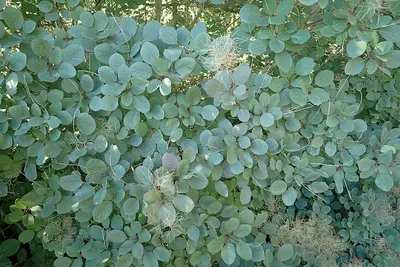
A dramatic focal point shrub renowned for its billowy, smoke-like flower plumes that create an ethereal cloud effect in summer landscapes. The deep purple foliage provides rich color all season long, intensifying to brilliant orange-red in fall for spectacular autumn interest. This low-maintenance beauty thrives in poor soils and drought conditions while delivering unmatched visual impact.
Sun
Full sun
Zones
4–8
USDA hardiness
Height
10-15 feet
Planting Timeline
Showing dates for Smokebush Purple in USDA Zone 7
All Zone 7 shrub →Zone Map
Click a state to update dates
Smokebush Purple · Zones 4–8
Growing Details
Complete Growing Guide
Smokebush Purple demands full sun exposure—at least six hours daily—to develop its signature deep purple foliage and produce abundant flower plumes; insufficient light causes weak growth and faded leaf color. Plant in spring in well-draining, infertile soil; rich soils paradoxically reduce flowering and promote excessive vegetative growth that weakens branch structure. Prune in late winter before new growth emerges, cutting back heavily every two to three years to maintain dense, compact form and prevent the leggy, open branching that plagues neglected specimens. This cultivar tolerates drought exceptionally well once established, making supplemental watering unnecessary except during extreme heat. Watch for spider mites during hot, dry spells, which can quickly colonize stressed plants; a strong water spray often resolves minor infestations without pesticides. The key to sustained performance is resisting the urge to fertilize or coddle—this shrub thrives on benign neglect.
Light: Full sun (6 or more hours of direct sunlight a day). Soil: Clay, High Organic Matter, Loam (Silt), Sand, Shallow Rocky. Soil pH: Acid (<6.0), Alkaline (>8.0), Neutral (6.0-8.0). Drainage: Good Drainage, Moist. Height: 10 ft. 0 in. - 15 ft. 0 in.. Spread: 10 ft. 0 in. - 15 ft. 0 in.. Spacing: 6-feet-12 feet, 12-24 feet, 24-60 feet. Growth rate: Rapid. Maintenance: Low, Medium. Regions: Coastal, Mountains, Piedmont.
Harvesting
Smokebush Purple reaches peak readiness for harvest when the distinctive smoke-like flower plumes transition from tight, compact clusters to fully billowed, wispy formations with a pronounced gray-pink coloration, typically occurring in mid to late summer. The plumes should feel dry and papery to the touch rather than soft or moist, indicating optimal maturity for cutting and drying. This cultivar supports continuous harvesting throughout the flowering season, allowing you to remove select plumes as they develop while leaving others to mature on the plant, which encourages extended blooming. For best results, harvest in early morning after dew has dried but before afternoon heat peaks, as this timing preserves the delicate texture and color saturation of the ethereal plumes.
Small drupe, not showy, kidney shaped.
Type: Drupe. Length: < 1 inch. Width: < 1 inch.
Storage & Preservation
Smokebush Purple is an ornamental shrub, not a culinary item, so traditional food storage doesn't apply. However, cut branches used for floral arrangements should be placed in cool water (50-60°F) in a well-ventilated area away from direct heat and ethylene-producing fruits. Mist foliage occasionally to maintain freshness. Cut stems remain attractive for 7-14 days. Preservation methods include: (1) Air-drying branches upside-down in a dark, warm location for dried arrangements lasting months; (2) Pressing individual leaves between parchment paper for botanical projects; (3) Glycerin treatment of branches to retain flexibility and extend decorative lifespan.
History & Origin
Cotinus coggygria 'Purpureus', commonly known as Smokebush Purple, represents a selected cultivar of the species smokebush native to southeastern Europe and central Asia. While specific breeding documentation is limited, this purple-foliaged variant emerged from deliberate horticultural selection within the broader Cotinus coggygria species during the twentieth century, likely developed by European nurseries capitalizing on the ornamental appeal of deep burgundy foliage. The cultivar became established in the commercial nursery trade as gardeners and landscapers recognized its striking dual-season color display and remarkable resilience to challenging growing conditions, though precise breeder attribution remains obscured by horticultural history.
Origin: S. Central Europe to China
Advantages
- +Dramatic smoke-like flower plumes create striking visual impact in summer gardens
- +Deep purple foliage provides rich color contrast throughout the entire growing season
- +Fall color transforms to brilliant orange-red for spectacular autumn interest
- +Thrives in poor soils and drought conditions with minimal care required
- +Generally pest-free and disease-resistant, making maintenance exceptionally easy
Considerations
- -Requires full sun to achieve best purple foliage and smoke effect intensity
- -Can become leggy and sparse without regular pruning to maintain shape
- -Slow to establish and may take years to reach desired mature size
- -Not suitable for humid climates where powdery mildew occasionally develops
Companion Plants
Smokebush pairs best with plants that share its preference for lean, well-drained soil and full sun — and most of the beneficials on our list fit that profile exactly. Lavender and Russian sage are the strongest matches: both top out around 3–4 feet, so they won't fight for light, and their fine silvery foliage plays off the deep purple canopy without visual clutter. In our zone 7 Georgia summers, they also share the same low-water budget once established, which means you're not rigging up drip irrigation for one plant while the other bakes. Ornamental grasses and sedum fill the same role at the mid-layer — drought-tolerant, non-aggressive roots, and open enough in habit that air moves freely around the smokebush base.
Black-eyed Susan and coneflower (Echinacea) pull in parasitic wasps and native bees that keep the occasional aphid flare-up from turning into a real problem. Yarrow does the same, though it spreads fast enough that you'll want to decide upfront how much ground you're willing to hand over to it — 2 feet of buffer from the smokebush crown is not too much.
The problem companions are a different kind of issue. Black walnut produces juglone, a root-zone toxin that affects a broad range of woody plants; smokebush isn't the most sensitive species out there, but there's no upside to the experiment. Maple trees are straight competition — their shallow, dense root mats will out-muscle almost anything planted within 10–15 feet, smokebush included. Hostas are simply a planting mismatch: they need shade and consistent moisture, and putting them next to a drought-tolerant shrub in full sun means one of them is always going to look rough.
Plant Together
Lavender
Shares similar drought tolerance and attracts beneficial pollinators while repelling pests
Russian Sage
Complementary purple-blue flowers, similar water requirements, and attracts butterflies
Ornamental Grasses
Provides textural contrast and helps prevent soil erosion around the shrub base
Sedum
Drought-tolerant groundcover that won't compete for water and attracts beneficial insects
Black-Eyed Susan
Yellow flowers create striking color contrast with purple foliage and both tolerate dry conditions
Juniper
Evergreen structure provides winter interest and shares similar low-water requirements
Coneflower
Attracts pollinators and beneficial insects while tolerating similar growing conditions
Yarrow
Improves soil health, attracts beneficial insects, and thrives in similar dry conditions
Keep Apart
Black Walnut
Produces juglone toxin that can stunt growth and cause leaf yellowing in susceptible plants
Maple Trees
Dense shade and shallow root system compete heavily for water and nutrients
Hostas
Require consistently moist soil and shade, opposite of smokebush's drought and sun preferences
Pests & Disease Resistance
Resistance
Excellent disease resistance, very few problems
Common Pests
Generally pest-free, occasional aphids
Diseases
Rarely affected by diseases, very healthy plant
Troubleshooting Smokebush Purple
What you'll see, why it happens, and what to do about it.
Stems wilting and dying back in patches, with dark cankers visible at the base of affected branches
Likely Causes
- Verticillium wilt (Verticillium dahliae) — a soil-borne fungus that's one of the few things that will actually knock back a smokebush
- Planting in poorly drained soil that stays wet after rain
What to Do
- 1.Prune out all affected branches at least 6 inches below the canker, sterilizing your pruners with 70% isopropyl alcohol between cuts
- 2.Don't replant another Cotinus or susceptible shrub (roses, maples) in that same spot — the fungus persists in soil for years
- 3.Improve drainage before replanting anything there: amend with coarse grit or raise the bed at least 4 inches
Sticky residue on leaves and stems, with clusters of small soft-bodied insects on new growth in late spring
Likely Causes
- Aphids (likely Aphis gossypii or a generalist species) — smokebush rarely gets hit hard, but a flush of tender new growth after a hard pruning invites them
- Absence of predatory insects due to nearby pesticide use
What to Do
- 1.Knock aphids off with a strong spray of water from a hose — that's usually enough on a shrub this size
- 2.If they persist after 5–7 days, apply insecticidal soap directly to the colonies, coating the undersides of leaves
- 3.Avoid high-nitrogen fertilizers, which push the soft new growth aphids prefer
Frequently Asked Questions
How long does Smokebush Purple take to grow to full size?▼
Is Smokebush Purple a good choice for beginners?▼
Can you grow Smokebush Purple in containers?▼
When should I plant Smokebush Purple?▼
What creates the 'smoke' effect on Smokebush Purple?▼
How do I maintain Smokebush Purple's purple foliage color?▼
Zone-by-Zone Planting Calendar
Growing Guides from Wind River Greens
Sources & References
External authority sources used in compiling this guide.
- ExtensionNC State Extension
See the Methodology page for how this data is sourced, what's AI-assisted, and known limitations.