Silver Dollar
Eucalyptus cinerea
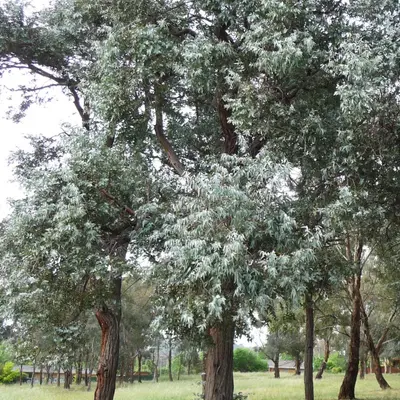
The most popular foliage for fresh, dried, or preserved use for large bunches and decorating. Also known as gum and euc. Tender perennial in Zones 9-11.
Harvest
120-150d
Days to harvest
Sun
Full sun
Zones
8–11
USDA hardiness
Height
15-52 feet
Planting Timeline
Showing dates for Silver Dollar in USDA Zone 7
All Zone 7 shrub →Zone Map
Click a state to update dates
Silver Dollar · Zones 8–11
Growing Details
Complete Growing Guide
Light: Full sun (6 or more hours of direct sunlight a day). Soil: Clay, Loam (Silt), Sand. Drainage: Good Drainage, Moist, Occasionally Dry. Height: 15 ft. 0 in. - 52 ft. 6 in.. Spread: 10 ft. 0 in. - 15 ft. 0 in.. Growth rate: Rapid. Maintenance: Medium. Regions: Coastal.
Harvesting
Capsule contains many seeds
Type: Capsule.
Storage & Preservation
Silver Dollar foliage stores best at cool room temperature (60–70°F) in a well-ventilated area away from direct sunlight for optimal color retention. For short-term storage, place stems in water in a cool location; foliage will last 2–3 weeks fresh. Preservation methods: (1) Air-drying—bundle stems loosely and hang upside-down in a warm, dark, well-ventilated space for 1–2 weeks; (2) Glycerin preservation—submerge stems in a 1:1 solution of glycerin and water for 2–3 weeks for flexible, long-lasting foliage; (3) Pressing—place individual leaves between paper under weight for flat decorative elements lasting months to years.
History & Origin
Origin: Australia
Advantages
- +Fast-growing
Considerations
- -Toxic (Bark, Leaves, Sap/Juice): High severity
- -Causes contact dermatitis
Companion Plants
The best companions for Silver Dollar eucalyptus share one trait: they're adapted to lean, fast-draining soil and don't need much water once they're going. Lavender, rosemary, and sage are the obvious picks — all Mediterranean plants that want the same dry, sunny conditions and won't fight over moisture. Yarrow and catmint fill in the gaps nicely and pull in predatory wasps and hoverflies, which keep soft-bodied pest pressure from building up on stressed plants. Ornamental grasses and sedum work well at the base, where their shallow roots stay out of the way and they handle the dry conditions under the canopy without needing any extra attention from you.
What you want to avoid is anything that demands regular irrigation or brings allelopathic baggage. Mint is a problem on both counts — it spreads by runner, wants consistent moisture, and will create a constant fight over how you manage the bed. Black walnut is the more serious issue: juglone, the compound black walnut produces, moves through the soil across a wide root zone and is toxic to a surprising range of plants. Eucalyptus cinerea appears to be sensitive, so give the two a wide berth if you have a walnut on your property. Also worth knowing: eucalyptus is allelopathic itself — the leaf litter releases cineole and other compounds that suppress germination and slow growth of nearby plants, so keep any low-growing annuals or seedling beds at least several feet clear of where the leaves drop.
Plant Together
Lavender
Repels pests like aphids and moths while attracting beneficial pollinators
Rosemary
Deters harmful insects and thrives in similar well-draining soil conditions
Marigold
Natural pest deterrent that repels nematodes and various garden insects
Catmint
Repels rodents and insects while attracting beneficial predatory insects
Yarrow
Improves soil health and attracts beneficial insects for pest control
Sage
Repels cabbage moths and other pests while tolerating similar growing conditions
Sedum
Provides ground cover and attracts beneficial insects without competing for resources
Ornamental Grasses
Provides textural contrast and wind protection without root competition
Keep Apart
Black Walnut
Produces juglone toxin that inhibits growth of many plants including eucalyptus species
Mint
Aggressive spreader that can overwhelm and compete heavily for soil nutrients
Eucalyptus
Allelopathic compounds can inhibit growth of nearby plants
Troubleshooting Silver Dollar
What you'll see, why it happens, and what to do about it.
Leaves turning brown and crispy at the tips, sometimes progressing inward, on plants in their first season
Likely Causes
- Frost or freeze damage — Silver Dollar is cold-hardy only to about 15–20°F and will burn at the leaf margins below that
- Wind desiccation, especially on young plants that haven't hardened off yet
What to Do
- 1.Cut damaged growth back to live wood in spring; the plant almost always pushes new growth from the base or lower stems
- 2.Wrap young plants with burlap before hard freezes and mulch the root zone 3–4 inches deep to protect the crown
- 3.Plant against a south-facing wall or structure to buffer cold wind if you're at the edge of zone 8
Yellowing leaves with a generally washed-out look, slow growth, plant not putting on much size after 60–90 days in the ground
Likely Causes
- Waterlogged or poorly drained soil — Eucalyptus cinerea hates wet feet and will stall out or develop root rot (Phytophthora cinnamomi) in heavy clay
- Overfertilizing with nitrogen, which pushes soft growth but masks nutrient uptake problems
What to Do
- 1.Check drainage: dig down 6 inches after a rain and see if water is pooling; if it is, amend with coarse sand and compost or move the plant to a raised bed
- 2.Hold off on any fertilizer for 4–6 weeks and let the soil dry out between waterings
- 3.If root rot is suspected, pull the plant, trim blackened roots back to white tissue, dust with sulfur powder, and replant in fresh, fast-draining mix
Sticky residue on stems and leaves, small clusters of soft-bodied insects along new growth tips
Likely Causes
- Aphid colonies (often Cinara species) moving in on stressed plants — container-grown stock is especially prone
- Plants stressed by drought or poor drainage are far more susceptible than established, thriving ones
What to Do
- 1.Blast new growth with a strong stream of water to knock aphids off; repeat every 3–4 days for two weeks
- 2.Spray with insecticidal soap (2 tablespoons per gallon of water) directly on the insects — coverage on the undersides of leaves matters more than the tops
- 3.Address the underlying stress first: a well-watered, well-drained plant in full sun will outgrow light infestations on its own
Frequently Asked Questions
How long does Silver Dollar foliage last when dried?▼
Can you grow Silver Dollar in containers?▼
Is Silver Dollar good for beginners?▼
When should I plant Silver Dollar?▼
How much water does Silver Dollar need?▼
What is Silver Dollar best used for?▼
Zone-by-Zone Planting Calendar
Growing Guides from Wind River Greens
Sources & References
External authority sources used in compiling this guide.
- ExtensionNC State Extension
- BreederJohnny's Selected Seeds
See the Methodology page for how this data is sourced, what's AI-assisted, and known limitations.