Small-Leaved Gum
Eucalyptus parvula
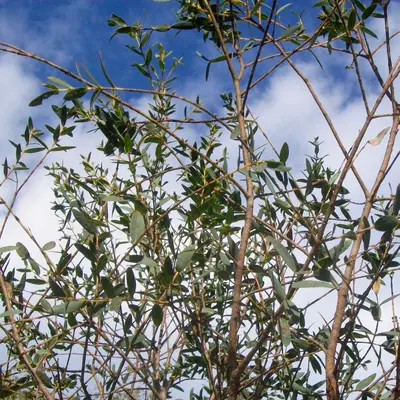
Shrub-like, compact habit in our annual trials, reaching 2-3' tall. Fine-leaf shape has a delicate appearance. Dark blue-green leaves contrast with red stems. Uniform plant habit.
Harvest
120-150d
Days to harvest
Sun
Full sun
Zones
7–10
USDA hardiness
Height
2-3 feet
Planting Timeline
Showing dates for Small-Leaved Gum in USDA Zone 7
All Zone 7 shrub →Zone Map
Click a state to update dates
Small-Leaved Gum · Zones 7–10
Growing Details
Complete Growing Guide
Small-Leaved Gum thrives when started indoors about eight to ten weeks before your last spring frost date, giving seedlings adequate time to develop into sturdy transplants. You can also direct sow seeds into prepared garden beds once soil temperatures reach 65°F and all frost danger has passed. Indoor-started plants tend to establish more reliably and reach the desired 2-3 feet height within the 120-day growing season. Whether starting indoors or direct sowing, barely press the tiny seeds into the soil surface, as they need light to germinate; cover the seed tray with a humidity dome or plastic wrap to maintain moisture until seedlings emerge in seven to fourteen days.
Space Small-Leaved Gum plants 24 to 30 inches apart to accommodate their compact, shrub-like habit and allow adequate air circulation around the fine, delicate foliage. Prepare soil that drains well, as this variety prefers conditions on the drier side and is susceptible to root rot in waterlogged beds. Work compost or well-aged bark into garden beds beforehand, aiming for slightly acidic to neutral pH. For container growing, use a premium potting mix amended with perlite or coarse sand to ensure excellent drainage.
Water Small-Leaved Gum consistently during establishment and early growth, but reduce frequency once plants are actively growing. The delicate foliage can wilt dramatically in dry heat, signaling the need for deeper watering, though the soil should dry slightly between waterings rather than remaining constantly moist. Feed plants every three to four weeks with a balanced, half-strength fertilizer; over-fertilizing encourages lush foliage at the expense of the striking red stems that make this variety visually distinctive.
Watch closely for spider mites, which are particularly drawn to the fine-textured leaves of Small-Leaved Gum and can cause stippling and yellowing. Inspect undersides of leaves regularly starting mid-summer, and spray with insecticidal soap at the first sign of infestation. Powdery mildew occasionally affects the delicate foliage in humid conditions; ensure adequate spacing and avoid wetting leaves during irrigation.
Pinching out the growing tips when plants reach 12 inches tall encourages bushier branching and a more uniform, compact habit. This simple technique maximizes the visual impact of the contrasting dark blue-green leaves and red stems. Continue pinching lightly through mid-season to maintain the shrub-like shape.
The most common mistake with Small-Leaved Gum is overwatering in an attempt to keep the delicate-looking foliage healthy. Remember that this variety appreciates drier conditions and actually performs better when allowed to experience brief periods between waterings; this stress actually enhances the intensity of the red stem coloration that makes this cultivar special.
Harvesting
Small-Leaved Gum reaches harvest at 120 - 150 days from sowing per Johnny's Selected Seeds.
many-seeded capsule
Type: Capsule.
Storage & Preservation
Fresh Small-Leaved Gum leaves are best stored in the refrigerator in a perforated plastic bag or container, maintaining humidity around 85-90% at 35-40°F. Shelf life is typically 1-2 weeks when refrigerated. For preservation, dry leaves by hanging bundles in a cool, dark, well-ventilated space for 2-3 weeks, then store in airtight containers away from light. Alternatively, freeze fresh leaves in ice cube trays with water or oil for culinary use, lasting 3-4 months. Herbal infusions can also be prepared fresh and frozen in portions for extended storage.
History & Origin
Small-Leaved Gum is open-pollinated, meaning seed saved from healthy plants will produce true-to-type offspring. Listed in the Johnny's Selected Seeds catalog.
Origin: Philippines to Australia
Advantages
- +Compact 2-3' habit suits small gardens and containers well.
- +Fine delicate foliage provides ornamental appeal year-round.
- +Red stems create striking visual contrast with blue-green leaves.
- +Uniform growth habit requires minimal pruning for shape.
- +Moderate difficulty level makes it accessible for most gardeners.
Considerations
- -120-150 day maturity requires long growing season commitment.
- -Eucalyptus species prone to spider mites in dry conditions.
- -Prefers well-draining soil; struggles with heavy clay or waterlogged spots.
Companion Plants
The Australian natives in this plant's companion list — Kangaroo Grass, Lomandra, Grevillea, and Banksia — work well because they're adapted to the same free-draining, low-nutrient soils where E. parvula performs best. They won't pull the planting toward richer, wetter conditions the way a heavy feeder would. On the harmful side, Black Walnut exudes juglone from its roots, a compound documented to suppress a wide range of woody plants, and eucalyptus isn't exempt. English Ivy and Rhododendron both favor the moister, more acidic end of the soil spectrum — pairing them with E. parvula means one of them will be unhappy, and it'll be the eucalyptus.
Plant Together
Kangaroo Grass
Native Australian grass that shares similar soil and water requirements, provides natural ground cover
Acacia species
Fellow Australian native that fixes nitrogen in soil, benefiting nearby plants
Banksia
Compatible native shrub with similar drought tolerance and soil preferences
Grevillea
Native companion that attracts beneficial insects and birds while sharing water requirements
Native Violet
Low-growing native ground cover that helps retain soil moisture and suppress weeds
Lomandra
Hardy native grass that provides textural contrast and shares similar growing conditions
Tea Tree
Compatible native shrub with similar water needs and natural pest-deterrent properties
Hardenbergia
Native climbing plant that fixes nitrogen and provides beneficial insect habitat
Keep Apart
Pine trees
Acidifies soil significantly and creates dense shade that eucalyptus shrubs cannot tolerate
English Ivy
Aggressive invasive vine that can smother native shrubs and compete heavily for nutrients
Rhododendron
Requires acidic, moist conditions opposite to eucalyptus preferences, may inhibit growth
Black Walnut
Produces juglone toxin that is particularly harmful to eucalyptus and other Australian natives
Troubleshooting Small-Leaved Gum
What you'll see, why it happens, and what to do about it.
Leaves turning yellow and dropping heavily in the first season after transplant
Likely Causes
- Transplant shock — eucalyptus resents root disturbance and takes 4–8 weeks to re-establish
- Overwatering in heavy clay soil, leading to root oxygen deprivation
What to Do
- 1.Cut back to watering once every 7–10 days once the plant is in the ground; E. parvula is drought-tolerant and hates wet feet
- 2.Mulch the root zone with 2–3 inches of wood chips to moderate soil temperature without trapping excess moisture
- 3.Hold off on fertilizer during this stress period — pushing new top growth before roots are settled makes recovery slower, not faster
Stems dying back to the ground after a hard freeze below 10°F
Likely Causes
- Cold damage at the edge of its hardiness range — zone 7 winters can push E. parvula right to its limit
- Plants under 2 years old lacking sufficient root mass to regenerate reliably from the crown
What to Do
- 1.Wait until late April before cutting dead stems — the crown often pushes new shoots once soil temperatures reach 55°F
- 2.Lay 4–6 inches of straw mulch over the root zone before the first hard frost each winter
- 3.Site the plant against a south-facing wall or structure to buffer the coldest overnight temperatures
Gray powdery coating on new growth, with distorted or stunted young leaves
Likely Causes
- Powdery mildew (Erysiphe spp.) — common when plants are crowded and air moves poorly around the canopy
- Spacing tighter than 18 inches, particularly against a solid fence or wall
What to Do
- 1.Prune to open up the interior of the plant — better airflow does more than any spray program
- 2.Apply diluted neem oil (2 tsp per quart of water) every 7 days until new growth comes in clean
- 3.Switch to drip or base watering; foliage that stays wet overnight accelerates mildew spread considerably
Frequently Asked Questions
How tall does Small-Leaved Gum grow?▼
Can you grow Small-Leaved Gum in containers?▼
When should I plant Small-Leaved Gum?▼
Is Small-Leaved Gum good for beginners?▼
How long does Small-Leaved Gum take to mature?▼
What are the leaf characteristics of Small-Leaved Gum?▼
Zone-by-Zone Planting Calendar
Growing Guides from Wind River Greens
Sources & References
External authority sources used in compiling this guide.
- BreederJohnny's Selected Seeds
See the Methodology page for how this data is sourced, what's AI-assisted, and known limitations.