Zone 3 Coverage
Planting Timeline — All Varieties
Growing Shrubs & Hedges in Zone 3
Zone 3 presents unique challenges for shrub gardeners, with brutal winters reaching -30°F to -40°F and a compressed growing season that demands careful plant selection. The good news? This harsh climate naturally filters out weak varieties, leaving you with incredibly resilient shrubs that reward your patience with spectacular spring blooms and robust growth. The key to success lies in choosing varieties that not only survive but thrive in these conditions – plants that can handle late spring freezes, make the most of intense summer growth periods, and enter dormancy properly before September's early frosts.
When selecting shrubs for Zone 3, prioritize native and near-native species that have evolved with harsh continental climates. Look for varieties with proven cold hardiness ratings of Zone 3 or lower, flexible branching that won't snap under snow loads, and the ability to bloom on new wood rather than previous year's growth. The most successful Zone 3 shrubs tend to be deciduous varieties that can fully shut down for winter, though a few evergreens like Japanese Yew can handle the extremes with proper siting and protection.
Variety Comparison
| Variety ↑ | Days | Difficulty |
|---|---|---|
| Annabelle Hydrangea | — | Easy |
| Baby Blue Bouquet | 120-150 | Moderate |
| Blue Muffin Viburnum | — | Easy |
| Book-Leaf Mallee | 120-150 | Moderate |
| E. tereticornis | 120-150 | Moderate |
| Fragrant Sumac | — | Easy |
| French Lilac | — | Easy |
| Goldmound Spirea | — | Easy |
| Japanese Spirea | — | Easy |
| Lemon Bush | 120-150 | Moderate |
| Lilac Common | — | Easy to moderate |
| Mahogany Splendor | 115-130 | Moderate |
| Ninebark Diablo | — | Easy |
| PeeGee Hydrangea | — | Easy |
| Red Twig Dogwood | — | Easy |
| Silver Dollar | 120-150 | Moderate |
| Silver Drop | 120-150 | Moderate |
| Silver Plate | 120-150 | Moderate |
| Small-Leaved Gum | 120-150 | Moderate |
| Snowball Viburnum | — | Moderate |
| Winterberry Holly | — | Easy |
| Witch Hazel | — | Moderate |
Variety Details
Annabelle Hydrangea
A spectacular native hydrangea that produces enormous white flower heads up to 12 inches across from summer through fall, creating a stunning display in shade gardens. This hardy shrub blooms reliably every year on new wood and naturalizes beautifully in woodland settings while tolerating a wide range of conditions. The massive snowball-like blooms age to pale green and dry beautifully for winter interest.
Baby Blue Bouquet
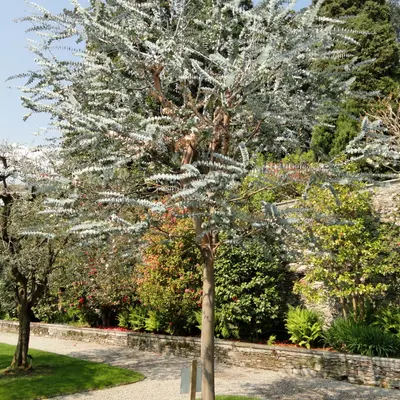
Very similar to Baby Blue. Robust plants produce column-like, sturdy stems packed with waxy, silvery blue leaves. Round, 2" leaves. Also known as silverleaf mountain gum, gum, and euc. Tender perennial in Zones 9-11.
Blue Muffin Viburnum
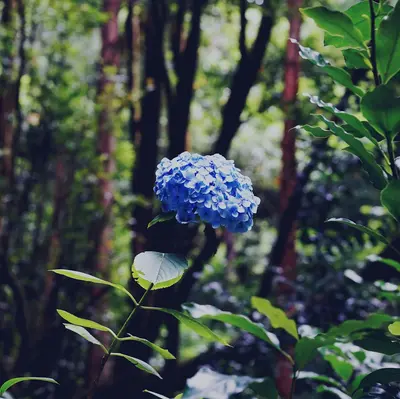
A compact native viburnum that delivers four seasons of beauty with spring's creamy white flower clusters, summer's glossy green foliage, and fall's brilliant red-orange color display. The metallic blue berries are a magnet for birds while the dense branching provides excellent structure for landscape borders. This adaptable shrub thrives in various conditions while supporting local wildlife.
Book-Leaf Mallee
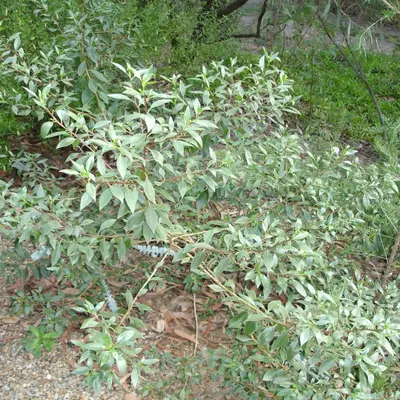
Upright plants are not as productive as our other eucalyptus, but the unique, adorable, gray-blue foliage is perfect for small design work and dried florals. 1/2" leaves. Also known as Kruse's Mallee.
E. tereticornis
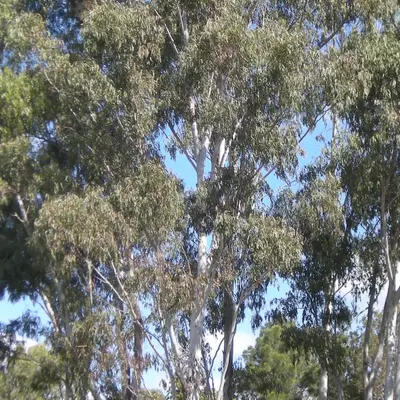
Tall, upright, productive plants produce sturdy stems that are easy to process for cut foliage. 3-6" long, arrow-shaped leaves are primarily green to dark green, while new leaf growth displays a contrasting and attractive dark red leaf color which varies across plants and intensifies as temperatures cool in the fall. Dark green leaves contrast nicely with red stems. Elegant addition to arrangements and mixed eucalyptus bunches. Tender perennial in Zones 9-11.
Fragrant Sumac
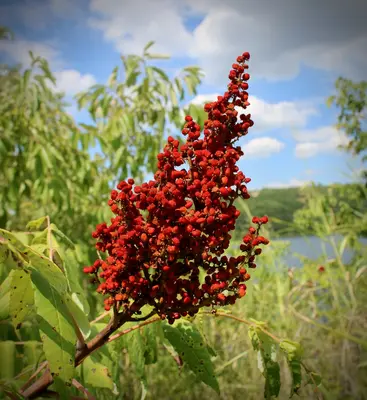
A tough, native shrub prized for its exceptional drought tolerance and brilliant orange-red fall color that rivals any maple. Small yellow flowers appear before the leaves in early spring, followed by red berries that attract birds. This adaptable groundcover shrub thrives in difficult sites where other plants struggle, making it perfect for slopes and naturalized areas.
French Lilac
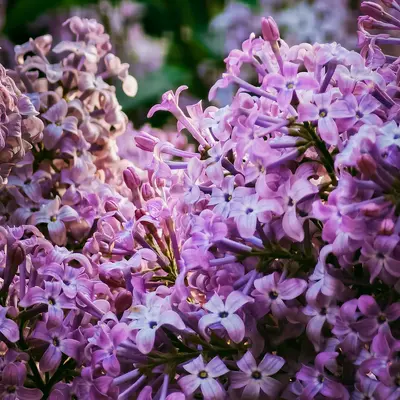
The classic fragrant lilac that defines spring with its intoxicating perfume and abundant blooms. These old-fashioned shrubs produce dense clusters of tubular flowers in shades of purple, pink, white, or lavender that attract butterflies and hummingbirds. A must-have for creating nostalgic cottage gardens and cutting gardens.
Goldmound Spirea
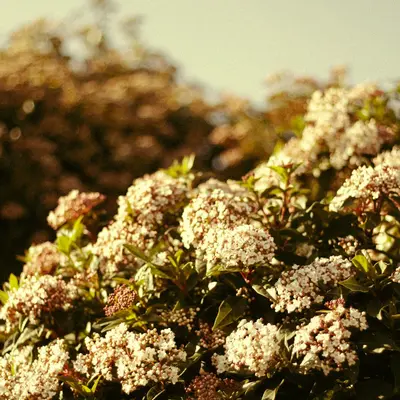
A compact deciduous shrub that brings year-round color with bright golden-yellow foliage that transitions through orange and red in fall. Pink flower clusters appear in late spring, creating a stunning contrast against the golden leaves. This low-maintenance beauty is perfect for mass plantings, borders, and foundation plantings.
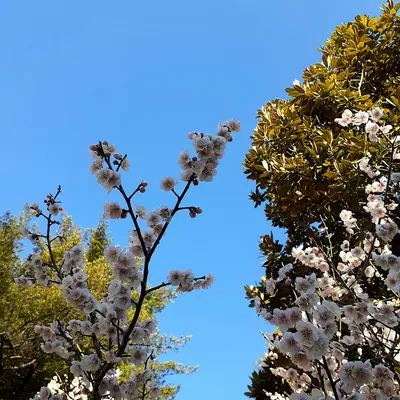
Japanese Spirea
A compact, colorful shrub that brings non-stop pink blooms and vibrant foliage to small gardens and landscapes. This hardy little powerhouse produces flat-topped clusters of rosy-pink flowers from late spring through summer, while new growth emerges in shades of red and orange. Perfect for low hedges, foundation plantings, or adding reliable color to perennial borders.
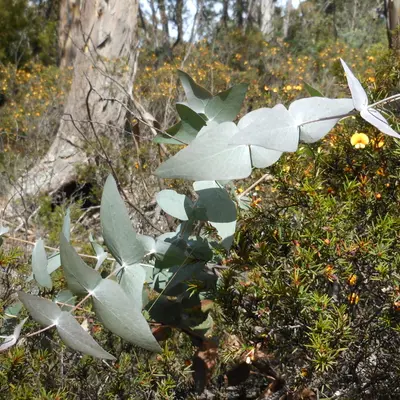
Lemon Bush
Medium-green, 2-7", sword-shaped leaves that produce a strong citronella fragrance. Leaf and stem tips turn a lovely red color in late summer/fall. Less durable foliage than standard eucalyptus.
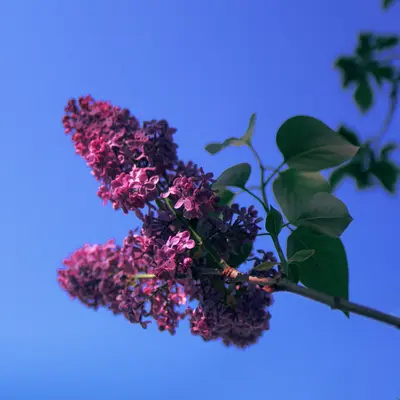
Lilac Common
A beloved deciduous shrub that heralds spring with its intensely fragrant flower clusters in shades of purple, pink, or white. This old-fashioned favorite can live for decades and becomes more beautiful with age, producing abundant blooms that are perfect for cutting. Few shrubs can match the nostalgic appeal and intoxicating fragrance of a mature lilac in full bloom.
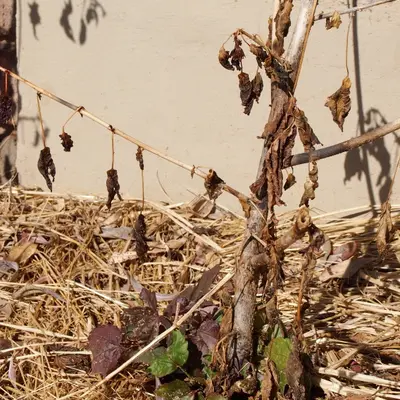
Mahogany Splendor
Decorative, deeply cut foliage with maple-leaf appearance, rich color, and sturdy branches. Ideal for late summer and fall arrangements. Primarily grown for use as cut flower foliage, the vigorous, drought- and heat-tolerant plants are also suitable for containers and landscaping. The abundant color and tall stature make Mahogany Splendor a lovely backdrop in the garden or patio. NOTE: If grown indoors or in part shade, foliage will be green to rust in color; the mahogany color develops fully in full sun. Also known as red-leaf hibiscus, false roselle, African rose mallow, and cranberry hibiscus. Tropical, herbaceous perennial in Zones 8a-9b. Tender perennial or annual in all other growing zones.
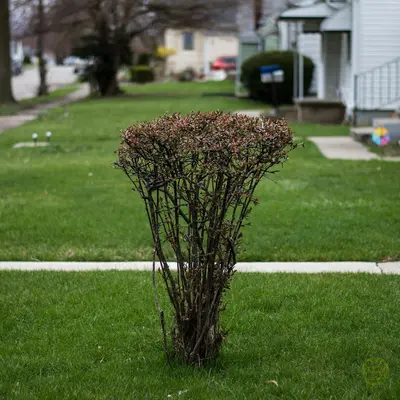
Ninebark Diablo
This native North American shrub offers three seasons of interest with its deep purple foliage, clusters of white flowers in spring, and colorful seed pods in fall. Diablo ninebark is incredibly tough and adaptable, thriving in conditions where other shrubs struggle while providing habitat for beneficial insects and birds. The dramatic dark foliage creates stunning contrast with lighter plants and the peeling bark adds winter interest.
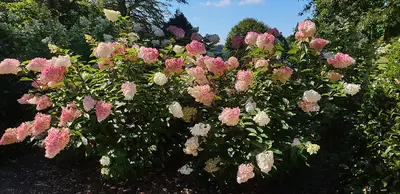
PeeGee Hydrangea
A classic Victorian-era hydrangea that produces enormous cone-shaped flower clusters that age from white to pink to bronze throughout the season. This reliable shrub is exceptionally cold hardy and blooms on new wood, ensuring flowers every year regardless of winter damage. The dramatic flower heads can reach 12 inches long and make stunning cut flowers for both fresh and dried arrangements.
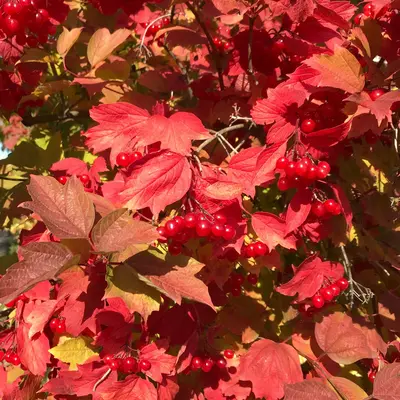
Red Twig Dogwood
A native multi-season shrub prized for its brilliant red winter stems that provide stunning color when most plants are dormant. This adaptable shrub produces clusters of white flowers in spring, followed by white berries that attract birds, while the bright red bark creates dramatic winter interest against snow. Thriving in wet soils where other shrubs fail, it's perfect for rain gardens and naturalizing.
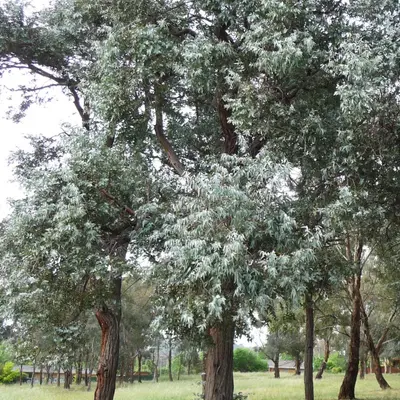
Silver Dollar
The most popular foliage for fresh, dried, or preserved use for large bunches and decorating. Also known as gum and euc. Tender perennial in Zones 9-11.
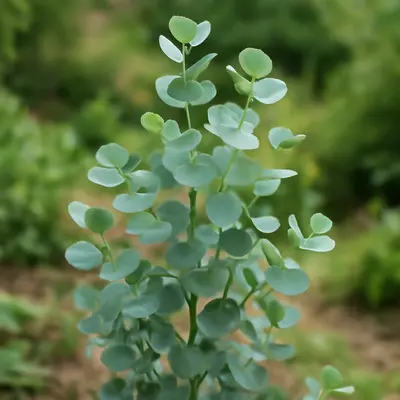
Silver Drop
Silver Drop is a moderate-difficulty heirloom shrub thriving in full sun and well-drained loam soil. Maturing in 120-150 days, this ornamental variety is distinguished by its distinctive silvery foliage that creates a striking visual contrast in landscapes. The fine, delicate leaves provide year-round appeal and serve as an excellent backdrop for flowering plants. Silver Drop's elegant appearance and hardy nature make it a popular choice for Mediterranean and contemporary garden designs.
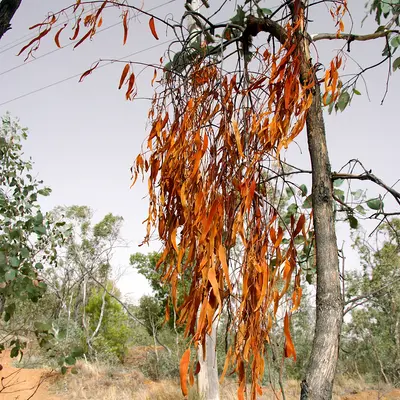
Silver Plate
A favorite in our trials. Silvery green leaves shimmer on tall stems. Upright plants produce sturdy stems that are easy to strip and clean. Large round leaves alternate on reddish-green stems. Some variability in plant height - in our trials, plants ranged from 30-60" tall, with most reaching at least 48". Also known as 'Silver Dollar', gum, and euc. Tender perennial in Zones 9-11.
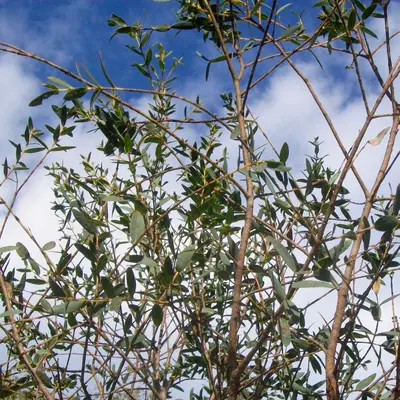
Small-Leaved Gum
Shrub-like, compact habit in our annual trials, reaching 2-3' tall. Fine-leaf shape has a delicate appearance. Dark blue-green leaves contrast with red stems. Uniform plant habit.
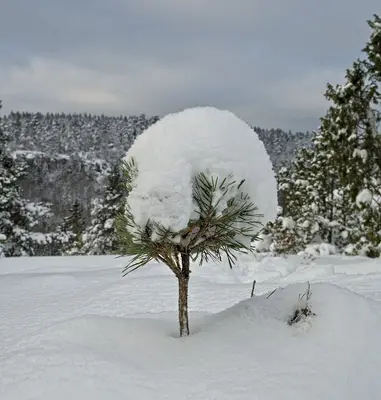
Snowball Viburnum
A spectacular spring showstopper that produces large, perfectly round clusters of pristine white flowers that truly resemble snowballs. This old-fashioned favorite creates dramatic focal points in the landscape and the flowers are excellent for cutting arrangements. The maple-like leaves provide attractive summer foliage and often develop good fall color in cooler climates.
Winterberry Holly
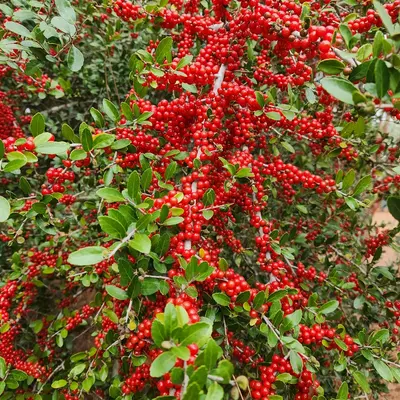
A native deciduous holly that transforms the winter landscape with brilliant red berries persisting on bare branches long after leaves have dropped. This adaptable shrub thrives in wet soils where other plants struggle, making it perfect for rain gardens or low-lying areas. The spectacular winter berry display attracts birds while providing crucial cold-season interest when most shrubs are dormant.
Witch Hazel
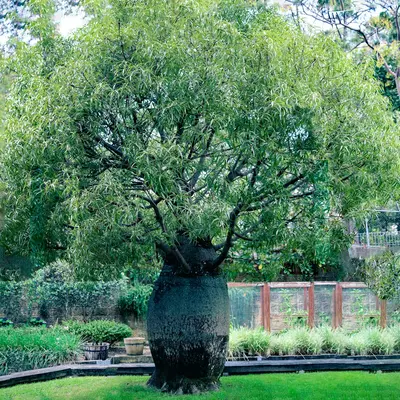
Nature's grand finale that saves its spectacular show for when all other shrubs have gone dormant. This native treasure produces clusters of fragrant, spidery yellow flowers in late fall and early winter, often while snow is on the ground. Beyond its unique blooming time, witch hazel offers excellent yellow fall color and interesting architectural branching that adds winter interest to the garden.
Zone 3 Growing Tips
Plant shrubs in Zone 3 during late spring after soil has warmed and the risk of hard frost has passed – typically late May through early June. This timing gives plants maximum growing season to establish roots before winter. Avoid fall planting unless you can guarantee consistent watering and winter protection, as newly planted shrubs rarely survive their first Zone 3 winter without extensive root development. Container plants need at least 10-12 weeks of growing time before first frost.
Site selection becomes critical in Zone 3 – choose locations protected from harsh northwest winds but with good air drainage to prevent frost pockets. Plant shrubs slightly higher than surrounding grade to improve drainage, as freeze-thaw cycles can create waterlogged conditions that kill roots. Apply 4-6 inches of mulch after planting, but pull it back from stems in late fall to prevent rodent damage. Most Zone 3 shrubs benefit from anti-desiccant sprays applied in late November and again in February to prevent winter burn on sunny, windy days.
Season Overview
Zone 3's compressed 120-day growing season from mid-May through mid-September means every week counts for shrub establishment and growth. Late spring frosts can damage early bloomers like Forsythia, while the reliable September 15th first frost date cuts short any varieties that need extended fall ripening time. Choose shrubs that bloom in mid to late summer like Rose of Sharon and PeeGee Hydrangea, or early spring bloomers that can handle occasional late freezes. The short season actually benefits many flowering shrubs by concentrating their energy into spectacular, albeit brief, bloom periods.