Zone 2 Coverage
Planting Timeline — All Varieties
Variety Comparison
| Variety ↑ | Days | Difficulty |
|---|---|---|
| Blue Muffin Viburnum | — | Easy |
| Ninebark Diablo | — | Easy |
| Red Twig Dogwood | — | Easy |
| Snowball Viburnum | — | Moderate |
Variety Details

Blue Muffin Viburnum
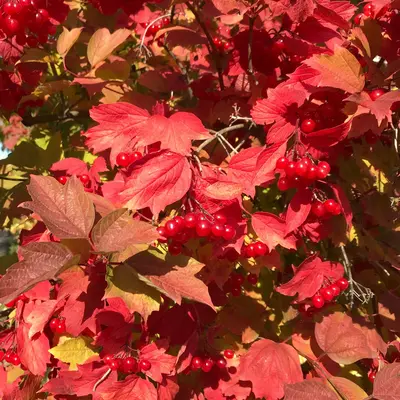
A compact native viburnum that delivers four seasons of beauty with spring's creamy white flower clusters, summer's glossy green foliage, and fall's brilliant red-orange color display. The metallic blue berries are a magnet for birds while the dense branching provides excellent structure for landscape borders. This adaptable shrub thrives in various conditions while supporting local wildlife.
Ninebark Diablo
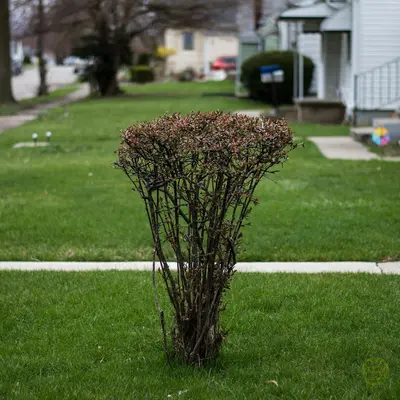
This native North American shrub offers three seasons of interest with its deep purple foliage, clusters of white flowers in spring, and colorful seed pods in fall. Diablo ninebark is incredibly tough and adaptable, thriving in conditions where other shrubs struggle while providing habitat for beneficial insects and birds. The dramatic dark foliage creates stunning contrast with lighter plants and the peeling bark adds winter interest.
Red Twig Dogwood
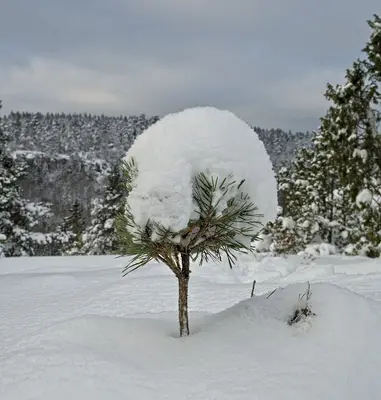
A native multi-season shrub prized for its brilliant red winter stems that provide stunning color when most plants are dormant. This adaptable shrub produces clusters of white flowers in spring, followed by white berries that attract birds, while the bright red bark creates dramatic winter interest against snow. Thriving in wet soils where other shrubs fail, it's perfect for rain gardens and naturalizing.
Snowball Viburnum
A spectacular spring showstopper that produces large, perfectly round clusters of pristine white flowers that truly resemble snowballs. This old-fashioned favorite creates dramatic focal points in the landscape and the flowers are excellent for cutting arrangements. The maple-like leaves provide attractive summer foliage and often develop good fall color in cooler climates.