Silver Drop
Eucalyptus gunnii
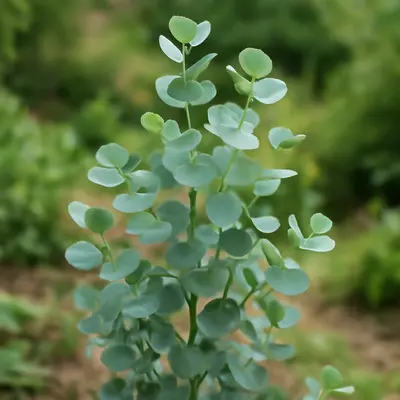
Silver Drop is a moderate-difficulty heirloom shrub thriving in full sun and well-drained loam soil. Maturing in 120-150 days, this ornamental variety is distinguished by its distinctive silvery foliage that creates a striking visual contrast in landscapes. The fine, delicate leaves provide year-round appeal and serve as an excellent backdrop for flowering plants. Silver Drop's elegant appearance and hardy nature make it a popular choice for Mediterranean and contemporary garden designs.
Harvest
120-150d
Days to harvest
Sun
Full sun
Zones
7–10
USDA hardiness
Height
3-6 feet
Planting Timeline
Showing dates for Silver Drop in USDA Zone 7
All Zone 7 shrub →Zone Map
Click a state to update dates
Silver Drop · Zones 7–10
Growing Details
Complete Growing Guide
Silver Drop eucalyptus germinates best when started indoors six to eight weeks before your last spring frost date. Sow seeds directly on moist seed-starting mix without covering them, as they need light to germinate. Keep the soil consistently moist but not waterlogged, and maintain temperatures between 65-70°F. Seeds should sprout within two to three weeks. Transplant seedlings outdoors only after all danger of frost has passed, since Silver Drop is tender in zones 9-11 and cannot tolerate freezing temperatures. In warmer climates, you can direct sow seeds into prepared garden beds after the last frost, though indoor starting gives you stronger plants.
Space Silver Drop plants 18-24 inches apart to allow room for their well-branched, spreading habit. These shrubs develop into nicely compact plants that fill their space efficiently, so adequate spacing prevents overcrowding and improves air circulation. Prepare soil that drains exceptionally well—eucalyptus despises wet feet, and poor drainage will quickly lead to root problems. Mix in coarse sand or perlite to your garden bed if your soil tends toward clay. Silver Drop actually prefers lean soil and doesn't need heavy feeding; overly rich amendments can produce lush green growth at the expense of the silvery foliage that makes this variety special.
Water regularly during the establishment period, keeping soil consistently moist for the first four weeks after transplanting. Once established, Silver Drop is quite drought-tolerant and prefers drier conditions. Water deeply but infrequently during dry spells, allowing the soil to dry between waterings. Feeding is minimal—a light application of balanced, slow-release fertilizer in early summer supports growth, but avoid high-nitrogen formulas that encourage soft growth. No additional feeding is necessary after midsummer.
Watch for spider mites on Silver Drop, which are particularly attracted to the silvery foliage in hot, dry conditions. Regularly misting the foliage helps prevent infestations, and neem oil provides effective control if needed. Powdery mildew occasionally appears in humid climates despite eucalyptus's general disease resistance. Space plants generously and ensure good air flow to minimize this risk.
Pruning is essential for maintaining Silver Drop's ornamental branching structure and encouraging the fresh foliage ideal for cutting. Pinch back growing tips when plants are young to promote bushiness. Harvest stems regularly for bouquets—this pruning actually improves plant shape. You can cut back mature plants by one-third in early spring to rejuvenate them, but avoid cutting into bare wood.
The most common mistake gardeners make with Silver Drop is overwatering. This variety evolved in arid Australian conditions, and consistent wetness quickly causes root rot and fungal issues. Err on the side of dry, and your Silver Drop will reward you with abundant silvery growth perfect for cutting through the 120-day season.
Harvesting
Silver Drop reaches harvest at 120 - 150 days from sowing per Johnny's Selected Seeds.
many-seeded capsule
Type: Capsule.
Storage & Preservation
Silver Drop foliage is best used fresh immediately after cutting for maximum silvery color and suppleness. Store fresh stems in a cool room (60-65°F) with high humidity, or in the refrigerator (35-40°F) in water for up to 2-3 weeks. For dried preservation, hang bundles upside-down in a cool, dark, well-ventilated space (ideal for craft and floral arrangements, lasting 6-12 months). Alternatively, air-dry individual stems in a vase without water. Press foliage between paper for flat dried specimens ideal for pressed flower crafts, preserving the silvery-green color beautifully for several years.
History & Origin
Silver Drop is open-pollinated, meaning seed saved from healthy plants will produce true-to-type offspring. Listed in the Johnny's Selected Seeds catalog.
Origin: Philippines to Australia
Advantages
- +Stunning silvery-green foliage works beautifully in fresh arrangements
- +Excellent for dried bouquets with long vase life
- +Attractive branching structure requires minimal additional arranging work
- +Grows reliably in warm climates without special care requirements
Considerations
- -Limited to zones 9-11, requiring greenhouse protection elsewhere
- -Moderate difficulty means it demands consistent watering and attention
- -Long 120-150 day season compresses production window significantly
- -Tender perennial status means replanting annually in cold regions
Companion Plants
The best companions for Silver Drop share its preference for lean, well-drained soil and a full day of sun. Lavender, Rosemary, Thyme, and Russian Sage are the strongest pairings — all tolerate dry spells once established, and none of them demand the consistent moisture that would rot a eucalyptus crown over a wet winter. Ornamental Grasses, Yarrow, and Sedum fill out the bed with contrasting textures and similar drought tolerance, so you're not running two incompatible watering regimes in the same 36-inch strip.
Hostas and Impatiens belong somewhere else entirely. Both want regular water and shade — try to keep them happy alongside Silver Drop and you'll either waterlog the eucalyptus or watch the shade plants burn out by July. Black Walnut is a harder constraint: the roots actively release juglone, a compound documented to damage or kill a broad range of nearby plants. Eucalyptus doesn't need that chemical load on top of everything else it's managing in its first two seasons of establishment.
Plant Together
Lavender
Similar drought tolerance and attracts beneficial pollinators while repelling pests
Rosemary
Compatible Mediterranean growing conditions and natural pest deterrent properties
Catmint
Drought-tolerant ground cover that repels aphids and attracts beneficial insects
Ornamental Grasses
Complementary texture and form while sharing similar low-water requirements
Sedum
Similar drought tolerance and provides contrasting foliage texture
Russian Sage
Compatible water needs and creates attractive color contrast with purple blooms
Thyme
Ground-covering herb with similar growing conditions that deters common garden pests
Yarrow
Attracts beneficial insects and tolerates similar dry, sunny conditions
Keep Apart
Hostas
Requires consistently moist soil and shade, incompatible with drought-loving shrubs
Impatiens
Needs constant moisture and partial shade, opposite of Silver Drop's preferences
Black Walnut Trees
Produces juglone toxin that inhibits growth of many nearby plants
Troubleshooting Silver Drop
What you'll see, why it happens, and what to do about it.
Leaves losing silvery-blue color, turning dull green, on plants in their first season
Likely Causes
- Too much shade — Silver Drop needs 6+ hours of direct sun to hold its foliage color
- Overwatering, which pushes lush, chlorophyll-heavy growth at the expense of the waxy bloom that gives leaves their color
What to Do
- 1.Move container-grown plants to a sunnier spot; for in-ground plants, prune back any overhanging shrubs stealing light
- 2.Cut watering frequency — once established (typically after the first full growing season), this plant does fine on rainfall alone in most zones 7–10 climates
- 3.Hard-prune to 6–8 inches in early spring to force a flush of new juvenile foliage, which carries the strongest silver coloring
Stems blackening at the base, plant wilting despite moist soil
Likely Causes
- Phytophthora root rot — a water mold that thrives in poorly drained, consistently wet soil
- Planting in a low spot that holds water after rain
What to Do
- 1.Dig the plant and check the roots — brown, mushy tissue below the crown means it's likely a loss; remove it and don't replant eucalyptus in that spot
- 2.Before replanting anything in that bed, raise it 4–6 inches or work coarse grit into heavy clay to open up drainage
- 3.Choose a site with at least a slight slope so water moves away from the crown rather than pooling against it
Foliage scorched brown at the tips and margins after a cold snap, zones 7–8
Likely Causes
- Cold damage — Eucalyptus gunnii is hardy to roughly 0°F, but late spring freezes after new growth has flushed can burn tender tissue fast
- Wind chill amplifying freeze injury on exposed plantings
What to Do
- 1.Don't cut it down immediately — scratch the bark first; green underneath means the plant is still alive and will re-sprout from the base once temperatures stabilize
- 2.In zone 7, site the plant against a south- or west-facing wall to buffer against the worst freezes
- 3.Mulch the root zone with 3–4 inches of wood chips going into winter to insulate the crown
Frequently Asked Questions
How long does Silver Drop foliage last in a vase?▼
Can you grow Silver Drop in containers?▼
Is Silver Drop good for beginners?▼
When should I plant Silver Drop?▼
What is Silver Drop used for?▼
How do you dry Silver Drop for arrangements?▼
Zone-by-Zone Planting Calendar
Growing Guides from Wind River Greens
Sources & References
External authority sources used in compiling this guide.
- BreederJohnny's Selected Seeds
See the Methodology page for how this data is sourced, what's AI-assisted, and known limitations.