Zone 4 Coverage
Planting Timeline — All Varieties
Growing Eggplants in Zone 4
Zone 4 presents unique challenges for eggplant growers, but don't let that discourage you from growing these heat-loving beauties. With an average last frost around May 10th and first frost by September 25th, you're working with roughly 135 days of growing season - shorter than eggplants typically prefer, but absolutely manageable with the right approach. The key is understanding that eggplants are tropical natives that crave consistent warmth, so our northern climate requires some strategic planning and variety selection.
When choosing eggplant varieties for Zone 4, prioritize those with shorter days to maturity (60-75 days), compact growth habits, and proven cold tolerance. Fast-maturing Japanese varieties like Ichiban and compact options like Patio Baby are your best friends here. Avoid large, long-season varieties that need 90+ days unless you're committed to season extension techniques. The varieties that thrive in our zone tend to be smaller-fruited but incredibly productive, often yielding more usable eggplant per plant than their larger cousins in warmer zones.
What makes these particular varieties ideal for Zone 4 isn't just their shorter season - it's their ability to set fruit reliably in cooler conditions and their tendency to produce continuously rather than in one large flush. Varieties like Fairy Tale and Little Fingers will keep producing right up until that first frost hits, maximizing your harvest window in our compressed growing season.
Variety Comparison
| Variety ↑ | Days | Difficulty |
|---|---|---|
| Bambino F1 | 45-55 | Easy |
| Beatrice F1 | 65-75 | Easy to Moderate |
| Black Beauty | 90-100 | Easy |
| Calliope | 64 | Easy to Moderate |
| Chinese Long | 70-80 | Moderate |
| Classic | 65-75 | Easy |
| Diamond F1 | 70-80 | Easy to Moderate |
| Dusky F1 | 65-75 | Easy to Moderate |
| Epic F1 | 65-75 | Easy |
| Fairy Tale | 65 | Easy |
| Graffiti F1 | 75-85 | Moderate |
| Hansel F1 | 55-65 | Easy |
| Ichiban | 61-70 | Easy |
| Japanese Long | 70-80 | Easy to Moderate |
| Japanese Long Purple | 70-80 | Moderate |
| Japanese Purple Pickling | 65-75 | Easy |
| Listada de Gandia | 75-85 | Moderate |
| Little Fingers | 65-70 | Easy |
| Long Purple | 75-85 | Moderate |
| Millionaire | 65-75 | Moderate |
| Patio Baby | 50 | Easy |
| Ping Tung Long | 70-80 | Easy |
| Purple Top | 37 | Easy to Moderate |
| Rosa Bianca | 73 | Moderate |
| Slim Jim | 65-75 | Easy |
Variety Details
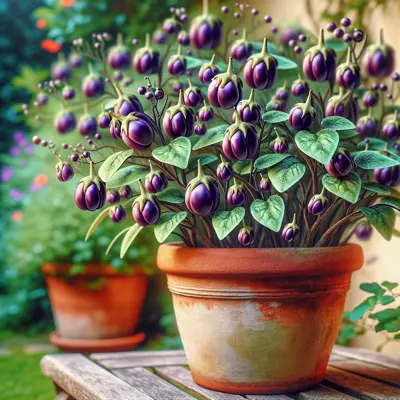
Bambino F1
A delightful mini eggplant hybrid that produces clusters of grape-sized purple fruits perfect for cocktail appetizers and gourmet cooking. The compact 12-inch plants are ideal for containers and small spaces, yet produce an abundance of tender, non-bitter fruits. This variety has won over gardeners with its ornamental beauty and gourmet appeal.

Beatrice F1
A stunning hybrid that produces beautiful lavender-purple fruits with white streaking, combining ornamental beauty with exceptional eating quality. This vigorous variety is both productive and disease-resistant, making it perfect for gardeners who want both beauty and bounty in their vegetable garden. The mild, creamy flesh has virtually no bitterness and cooks to a wonderful texture.
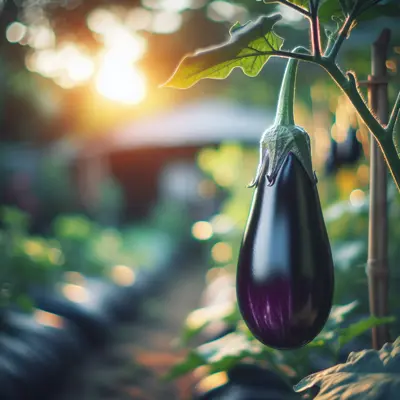
Black Beauty
Black Beauty is a classic heirloom eggplant known for its glossy, deep purple-black skin and elongated oval shape. Reaching maturity in 90-100 days, this variety produces firm, creamy-textured fruit with a mild flavor and minimal bitterness. The tender, smooth flesh makes it ideal for roasting, grilling, and Mediterranean dishes. A reliable producer in full sun conditions, Black Beauty remains a gardener favorite for its consistent yields and superior culinary quality.
Calliope
Calliope is a beautiful, oval, Indian eggplant. Suitable for baby (2" long x 1 1/2" diameter) or mature (3-4" long x 2 1/4-2 3/4" diameter) harvest. High-yielding, even in the North. The plants and calyxes are spineless, unlike many varieties of this type. Green calyx.
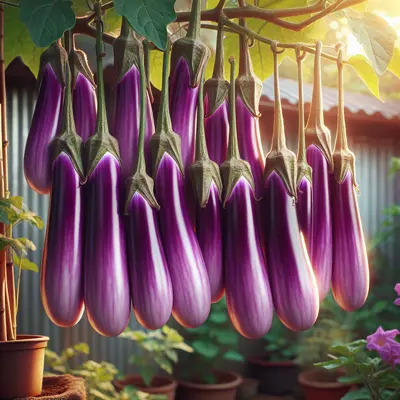
Chinese Long
A slender Asian heirloom producing gorgeous lavender-purple fruits that can reach up to 20 inches in length. The tender, mild flesh has fewer seeds than globe varieties and never turns bitter, making it perfect for stir-fries and Asian cuisine. This productive variety is beloved by gardeners for its elegant appearance and exceptional eating quality.
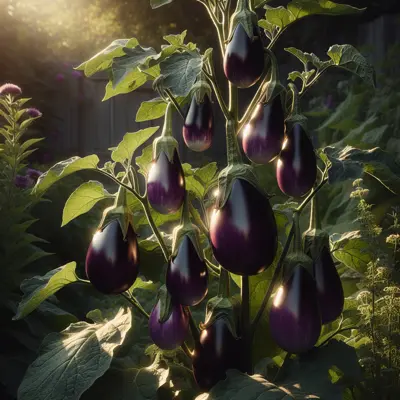
Classic
Classic eggplant is a heirloom variety prized for its glossy, deep purple skin and elegant elongated shape. Reaching maturity in 65-75 days, this dependable cultivar thrives in full sun to partial shade and produces abundantly in well-drained, fertile soil. Its defining characteristic is a mild, creamy flesh with minimal bitterness—a quality that makes it exceptionally versatile in the kitchen. Whether roasted, grilled, or fried, Classic eggplant delivers tender, flavorful results without requiring extensive preparation to remove bitter compounds. An ideal choice for gardeners seeking reliable yields and superior eating quality.
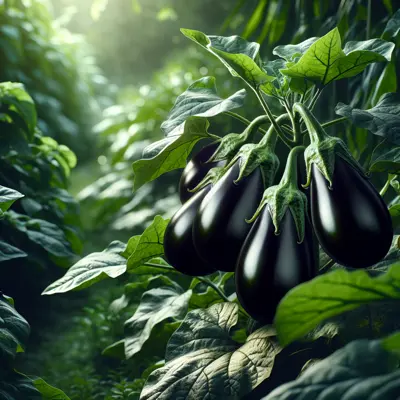
Diamond F1
A premium hybrid eggplant that produces large, glossy black fruits with exceptional flavor and texture. This vigorous variety is bred for consistent production and disease resistance, making it an excellent choice for both beginner and experienced gardeners. The fruits maintain their quality longer on the plant and have tender, creamy flesh with minimal seeds.
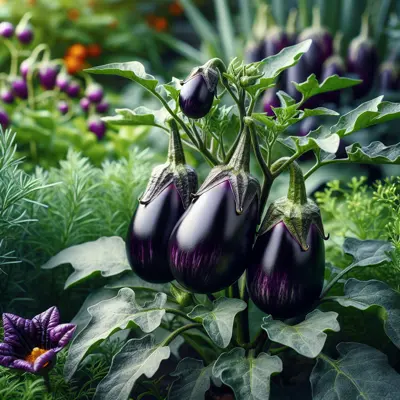
Dusky F1
An exceptional hybrid that combines the classic teardrop shape of Italian eggplants with outstanding disease resistance and productivity. This compact variety produces glossy, dark purple fruits with creamy white flesh that's perfect for Mediterranean dishes. Dusky is particularly valued for its reliability and consistent performance in challenging growing conditions.
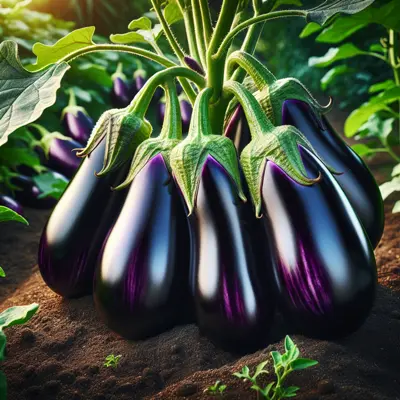
Epic F1
This award-winning hybrid is the gold standard for reliable eggplant production, consistently producing large, glossy purple fruits even in challenging conditions. Epic lives up to its name with exceptional disease resistance and heavy yields that keep coming all season long. Perfect for gardeners who want dependable results and classic eggplant flavor for moussaka, baba ganoush, and Italian dishes.
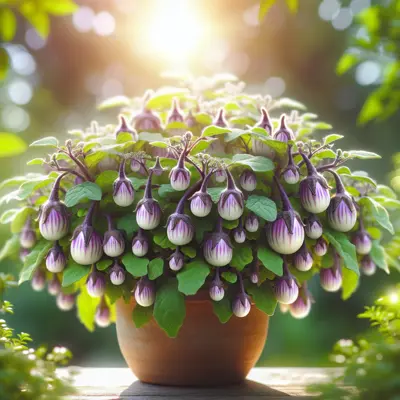
Fairy Tale
Attractive fruits measuring 2-4" long by 3/4-1 1/4" diameter are borne abundantly on compact 18-24" plants. Wonderful flavor with no bitterness and very few seeds. Some fruits may be harvested in clusters. Green calyx. AAS Winner.
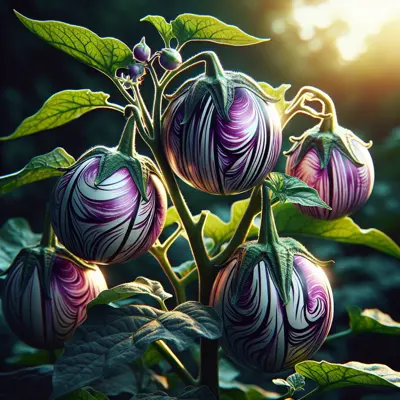
Graffiti F1
A stunning hybrid that produces eye-catching striped fruits with purple and white markings that look like they've been painted by an artist. Beyond its ornamental appeal, Graffiti offers excellent eating quality with sweet, tender flesh that's perfect for grilling and roasting. This variety is a conversation starter that combines beauty with outstanding culinary performance.
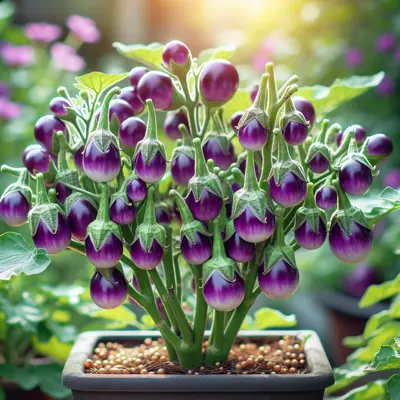
Hansel F1
An award-winning mini eggplant that produces clusters of small, glossy purple fruits that are perfect for individual servings. This compact hybrid is incredibly productive and the fruits have tender skin that doesn't require peeling, making them ideal for quick cooking and elegant presentations. The sweet, mild flavor and lack of bitterness make it a favorite for both adults and children.
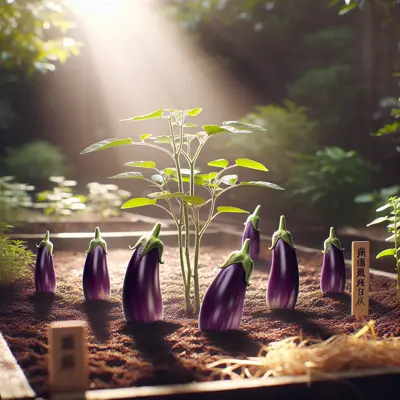
Ichiban
An award-winning Japanese hybrid that's incredibly productive and perfect for beginners, producing dozens of slender 10-inch fruits throughout the season. The tender, non-bitter flesh and thin skin make this variety exceptionally versatile in the kitchen. This reliable performer adapts well to various growing conditions and consistently delivers restaurant-quality eggplants.
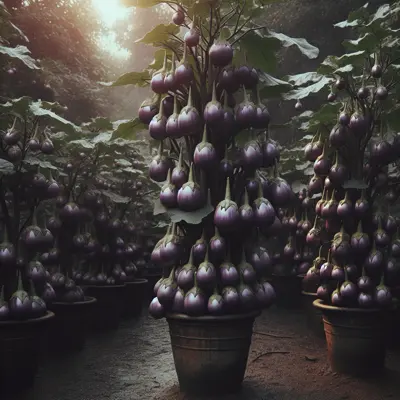
Japanese Long
An elegant Asian variety producing slender, foot-long fruits with incredibly tender skin that never needs peeling. The sweet, mild flesh has virtually no bitterness and cooks quickly, making it perfect for stir-fries and Asian cuisine. This productive variety offers a completely different eggplant experience from traditional globe types.
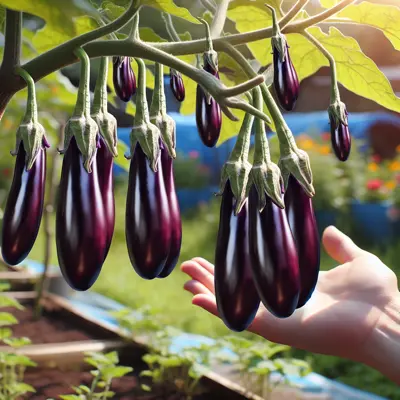
Japanese Long Purple
A stunning Japanese heirloom variety producing glossy, deep purple fruits that can reach 10 inches in length. The slender, curved eggplants have tender skin and mild, sweet flesh with minimal seeds, making them perfect for Asian cuisine. This productive plant delivers an abundant harvest of beautiful fruits that are as ornamental as they are delicious.
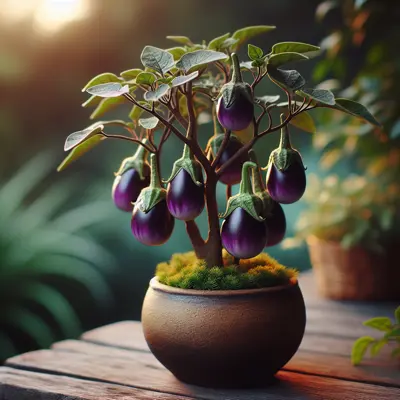
Japanese Purple Pickling
A productive Japanese heirloom that produces slender, glossy purple fruits perfect for Asian cuisine and pickling. The tender, mild flesh has virtually no bitterness and cooks quickly, making it ideal for stir-fries, tempura, and traditional Japanese preparations. This reliable variety is beloved by home gardeners for its consistent production and exceptional eating quality.
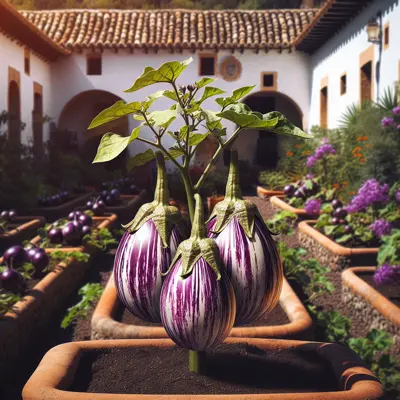
Listada de Gandia
This stunning Spanish heirloom showcases purple and white striped fruits that look almost too beautiful to eat. The oval fruits have incredibly creamy flesh with a mild, sweet flavor and the eye-catching striped pattern makes them conversation starters in any garden. A productive variety that brings both beauty and exceptional taste to the kitchen.
Little Fingers
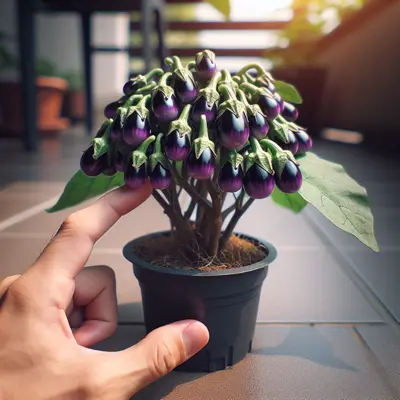
These adorable mini eggplants are perfect for container gardens and small spaces, producing clusters of 3-4 inch finger-sized fruits. The compact plants are incredibly productive and the tiny eggplants are tender, sweet, and cook quickly. Ideal for beginners and perfect for stuffing, grilling whole, or adding to Mediterranean dishes.
Long Purple
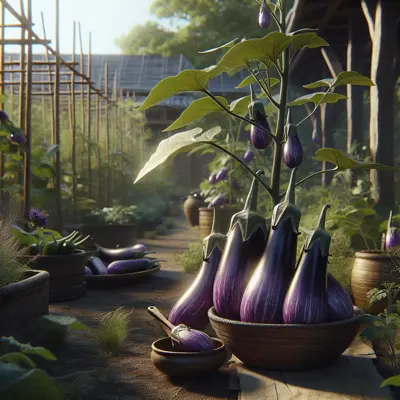
A classic heirloom variety that has been grown in American gardens since the 1800s, producing beautiful elongated purple fruits with excellent flavor. This reliable variety is known for its consistent production and traditional eggplant taste that's perfect for classic recipes. The fruits have tender flesh with a rich, satisfying flavor that develops beautifully when cooked.
Millionaire
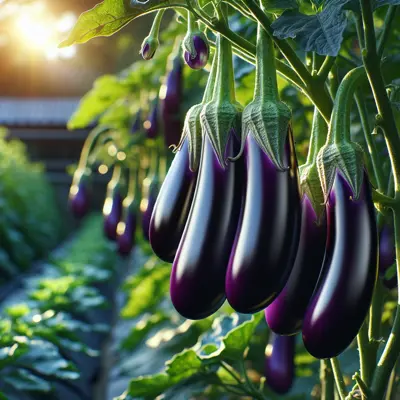
A premium Japanese hybrid that produces exceptionally long, slender fruits with glossy dark purple skin and absolutely no bitterness. Millionaire is prized by chefs for its tender texture, sweet flavor, and beautiful presentation, living up to its luxurious name. This variety consistently produces picture-perfect eggplants that command top prices at farmers markets.
Patio Baby
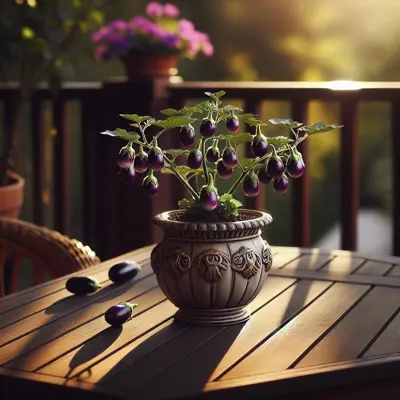
Bright purple flowers add beauty to this compact edible ornamental. Well-suited for balconies, patios, and gardens and also ideal for pack sales and urban farming operations. Patio Baby is a true mini, maintaining proper proportions of fruit-to-calyx as it grows. The thin-skinned 2-3" long fruits are tender and perfect for grilling or roasting. Continuous set of spineless fruits make harvest pain-free and child-friendly. Space-saving 18-24" plants. AAS Regional (Northeast) Winner. Purple calyx.
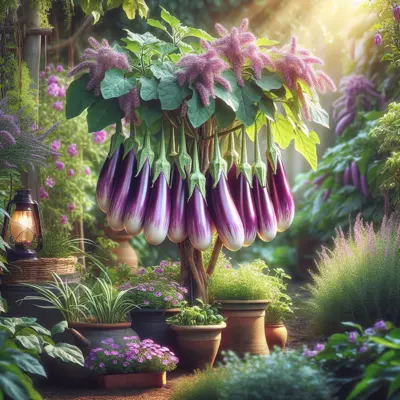
Ping Tung Long
This Taiwanese heirloom produces stunning 12-inch long, slender purple fruits that are incredibly tender and sweet with no bitterness. The beautiful lavender flowers and prolific production make it both an ornamental and culinary treasure. Perfect for Asian cuisine, it maintains its silky texture even when fully mature.
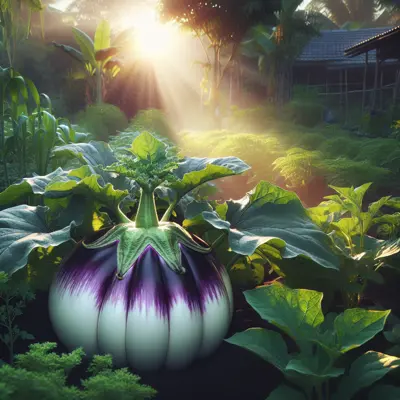
Purple Top
Purple Top is a classic heirloom eggplant prized for its distinctive deep purple fruits with a contrasting pale green crown at the stem end. Reaching maturity in just 37 days from transplant, this variety produces medium-sized, elongated fruits with creamy, mild flesh and subtle earthy undertones. Its heirloom pedigree and forgiving growing habits make it a favorite for home gardeners seeking reliable production and authentic eggplant flavor for traditional dishes like eggplant parmesan and moussaka.
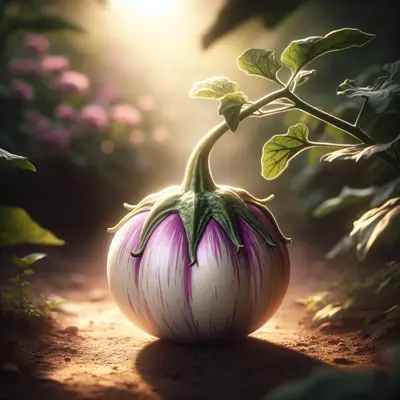
Rosa Bianca
Round fruit streaked with white and violet. Plump and variably ribbed, measuring about 4-6" long by 5-7" diameter. Mild, creamy taste. This traditional Italian variety is best adapted to regions with warm nights. Expect low yields in cool areas. Green calyx.
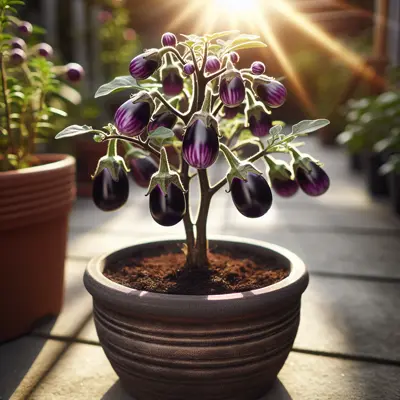
Slim Jim
This compact, productive variety produces an abundance of slender, dark purple fruits that are perfect for container growing or small gardens. The 6-8 inch long eggplants have tender skin that doesn't require peeling and mild, sweet flesh with few seeds. Its manageable size and heavy yields make it ideal for urban gardeners and those new to growing eggplant.
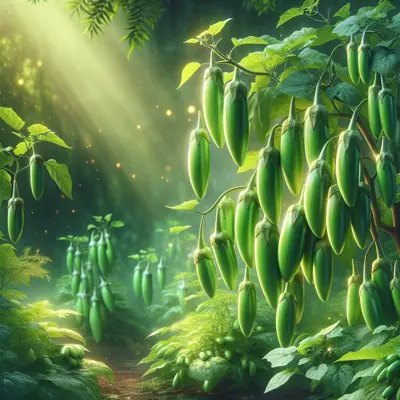
Thai Long Green
An authentic Asian variety prized for its slender, bright green fruits that are essential in Thai and Southeast Asian cooking. These tender eggplants have thin skin, few seeds, and never develop bitterness, making them perfect for curries, stir-fries, and grilled dishes. A must-grow for anyone serious about Asian cuisine.

Turkish Orange
An exotic heirloom variety that produces stunning small, round fruits that start green and ripen to a beautiful bright orange color. These golf ball-sized eggplants are not only ornamental but also deliciously sweet and creamy when cooked, making them perfect for stuffing or unique culinary presentations. This conversation-starter variety brings both beauty and flavor to any garden.
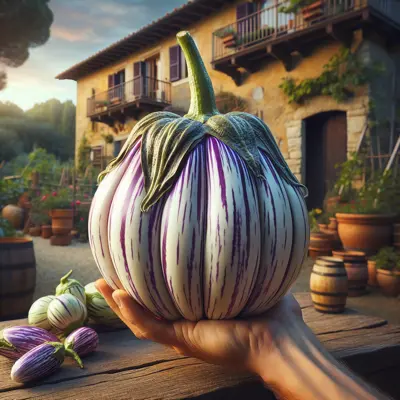
Violette di Firenze
A treasured Italian heirloom from Florence that produces large, ribbed fruits with stunning light purple skin and distinctive white stripes. This variety has been grown in Tuscan gardens for generations, prized for its meaty texture and rich flavor that's perfect for traditional Italian dishes. The dramatic ribbed shape and beautiful coloring make it as ornamental as it is delicious.
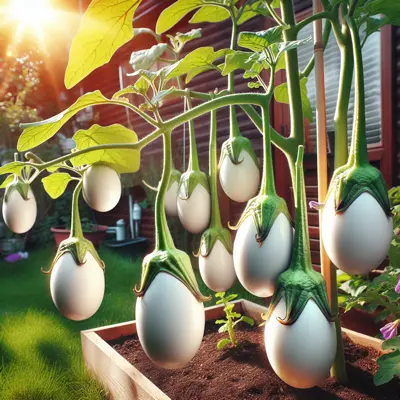
White Egg
These charming white eggplants look exactly like giant chicken eggs hanging from the plant, creating a delightful conversation piece in any garden. The creamy white fruits have exceptionally tender flesh and mild, sweet flavor that converts even eggplant skeptics. This productive heirloom variety adds visual interest while delivering superior taste and texture.
Zone 4 Growing Tips
Start your eggplant seeds indoors 8-10 weeks before your last frost date - that means getting them going in early to mid-March for most Zone 4 areas. Eggplants are notoriously slow germinators and need consistent soil temperatures of 75-85°F, so invest in a heat mat or find the warmest spot in your house. Unlike tomatoes and peppers, eggplants really sulk if they get chilled, so don't rush to transplant them outside. Wait until soil temperatures are consistently above 60°F and nighttime lows stay above 50°F - typically late May to early June, even if your last frost was weeks earlier.
Season extension is crucial for maximizing your eggplant harvest in Zone 4. Use black plastic mulch or landscape fabric to warm the soil before planting, and consider row covers or Wall O' Water protection for the first few weeks after transplanting. In fall, be prepared to cover plants when temperatures dip into the low 40s - eggplants can often survive light frosts with protection and continue producing. Many Zone 4 gardeners swear by growing eggplants in large containers that can be moved to protected areas during cool snaps.
The biggest mistake Zone 4 gardeners make with eggplants is treating them like tomatoes. These plants need more heat, more protection, and more patience. If your plants seem slow to take off in June, don't panic - eggplants often sit and wait for truly warm weather before exploding into growth. Focus on keeping them warm and stress-free rather than pushing growth with heavy fertilization early in the season.
Season Overview
Your 135-day growing season from May 10th to September 25th is actually quite workable for eggplants if you plan accordingly. The key is recognizing that you'll likely have 8-10 weeks of prime eggplant weather from mid-June through August, with shoulder seasons requiring protection. This timeline makes varieties with 60-70 day maturity dates ideal, as they'll start producing in mid to late July and continue through September. Avoid anything requiring more than 80 days to maturity unless you're starting with larger transplants or using season extension religiously.