Purple Top
Solanum melongena 'Purple Top'
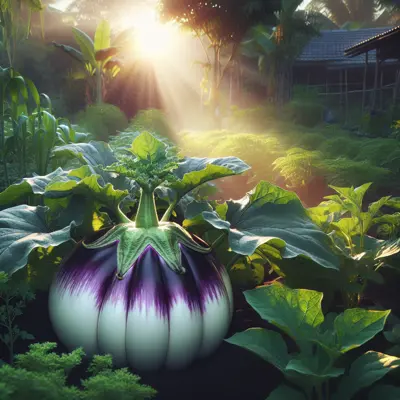
Purple Top is a classic heirloom eggplant prized for its distinctive deep purple fruits with a contrasting pale green crown at the stem end. Reaching maturity in just 37 days from transplant, this variety produces medium-sized, elongated fruits with creamy, mild flesh and subtle earthy undertones. Its heirloom pedigree and forgiving growing habits make it a favorite for home gardeners seeking reliable production and authentic eggplant flavor for traditional dishes like eggplant parmesan and moussaka.
Harvest
37d
Days to harvest
Sun
Full sun
Zones
5–12
USDA hardiness
Height
3 feet
Planting Timeline
Showing dates for Purple Top in USDA Zone 7
All Zone 7 eggplant →Zone Map
Click a state to update dates
Purple Top · Zones 5–12
Growing Details
Succession Planting
Eggplant is a single-planting warm-season crop — you set it out once after last frost and it keeps producing until the first fall frost kills it. Start seeds indoors 8–10 weeks before your transplant date (early February for a late April set-out in zone 7), get one strong planting established, and that's your season.
Complete Growing Guide
Purple Top eggplant thrives in rich, well-draining soil with a pH between 6.0-6.8. Before planting, work 2-3 inches of compost into your beds and ensure they receive full sun for 6-8 hours daily. Choose a spot protected from strong winds, as mature plants can become top-heavy.
Start seeds indoors 8-10 weeks before your last frost date. Use seed-starting mix and maintain soil temperature at 75-80°F for optimal germination. Purple Top seeds can be slow to sprout, so be patient. Once seedlings develop their first true leaves, transplant to 4-inch pots and gradually acclimate them to outdoor conditions over 7-10 days.
Transplant outdoors only when soil temperature consistently stays above 60°F, typically 2-3 weeks after your last frost. Cold soil will stunt growth permanently. Space plants 18-24 inches apart in rows 3 feet apart. At transplanting, mix a balanced fertilizer (10-10-10) into the planting hole.
Fertilize every 3-4 weeks with a balanced fertilizer, switching to lower nitrogen once flowering begins to encourage fruit production rather than excessive foliage. Purple Top plants benefit from staking or caging when they reach 12 inches tall, as the large fruits can cause branches to break.
Maintain consistent moisture with 1-1.5 inches of water weekly, using drip irrigation or soaker hoses to keep leaves dry. Mulch around plants with 2-3 inches of straw to retain moisture and suppress weeds. Avoid overhead watering, which encourages disease.
Common mistakes include planting too early in cool soil, inconsistent watering leading to bitter fruit, and over-fertilizing with nitrogen late in the season. In zones 3-6, consider using black plastic mulch to warm soil faster. Southern gardeners (zones 8-10) can succession plant for fall harvests 10-12 weeks before first frost.
Harvesting
Harvest Purple Top eggplants when fruits reach 4-6 inches in diameter with glossy, taut skin showing the classic purple-to-white gradient. The skin should yield slightly to gentle pressure but spring back - overripe fruits feel spongy and develop a dull appearance. Test readiness by pressing your thumbnail gently against the skin; it should leave a slight indentation that disappears quickly.
Harvest in the morning when fruits are fully hydrated and cool. Use sharp pruning shears or a knife to cut the stem 1 inch above the fruit - never pull or twist, as this can damage the plant. The stems are often thorny, so wear gloves. Regular harvesting every 3-4 days encourages continued production.
Young Purple Top eggplants have the best flavor and texture, with fewer seeds and less bitterness. If fruits begin showing brown seeds when cut open, you're harvesting too late. A properly harvested Purple Top should have white, nearly seedless flesh with a creamy texture.
Storage & Preservation
Store fresh Purple Top eggplants at room temperature for 2-3 days or refrigerate in the crisper drawer for up to one week. Don't wash until ready to use, and avoid storing below 50°F, which causes chilling injury and bitter flavors.
For longer preservation, slice and salt eggplant for 30 minutes to draw out moisture, then freeze in portions. Purple Top's meaty texture makes it excellent for freezing in prepared dishes like ratatouille or caponata. You can also pickle cubed eggplant in vinegar brine for 3-4 months of storage.
Dehydrating works well for this variety - slice into rounds, salt briefly, pat dry, and dehydrate at 135°F until leathery. Roasted and pureed Purple Top flesh freezes beautifully for later use in baba ganoush or adding to soups and stews.
History & Origin
Purple Top eggplant represents one of America's earliest eggplant varieties, likely developed in the mid-1800s from European globe varieties brought by immigrants. This heirloom became particularly popular in Italian-American communities along the East Coast, where its large size and mild flavor made it perfect for traditional dishes like melanzane parmigiana.
The variety's distinctive coloration - deep purple fading to creamy white - became the standard image of eggplant in American gardens for over a century. Many seed catalogs from the 1920s-1940s featured Purple Top as their primary eggplant offering, cementing its status as the quintessential American garden eggplant.
Unlike many modern hybrids bred for commercial shipping, Purple Top was selected by home gardeners for flavor and garden performance. Its genetic stability and reliable characteristics made it a favorite for seed-saving, helping preserve its traits across generations of American gardeners.
Advantages
- +Exceptionally large fruits, often reaching 1+ pounds with proper care
- +Mild, non-bitter flesh requires no salting before cooking
- +Strong, productive plants that continue bearing until frost
- +Beautiful ornamental value with striking two-toned fruits
- +Excellent heat tolerance once established
- +Superior texture for stuffing due to meaty, dense flesh
- +True-to-type seed production for easy saving
Considerations
- -Slower to mature than many modern varieties at 75-85 days
- -Large fruits can cause branches to break without proper staking
- -More susceptible to flea beetle damage than thick-skinned varieties
- -Requires consistent warmth - poor performer in cool summers
Companion Plants
Basil is the standard pairing here — its dense, low canopy fits neatly under eggplant's 24–30 inch spread without competing for light, and the volatile oils may reduce pressure from thrips and aphids. French marigolds (Tagetes patula) are worth planting in any bed with a history of root-knot nematodes; the thiophenes they release from their roots have actual research behind them, not just garden lore. Beans are a good functional neighbor: Rhizobium bacteria in the roots fix nitrogen that carries over into the bed, something NC State Extension specifically points to when discussing legume rotation in nightshade plots. Fennel is a different story — it's broadly allelopathic and stunts most vegetables planted within a few feet, so give it its own corner of the garden well away from the eggplant.
Plant Together
Basil
Repels aphids and whiteflies, may improve flavor
Marigold
Deters nematodes and flea beetles that attack eggplant
Pepper
Similar growing requirements and pest management needs
Tomato
Compatible nightshade family member with similar care needs
Oregano
Repels spider mites and provides ground cover
Nasturtium
Acts as trap crop for aphids and flea beetles
Beans
Fix nitrogen in soil and don't compete for space
Spinach
Provides living mulch and utilizes different soil depths
Keep Apart
Fennel
Inhibits growth through allelopathic compounds
Black Walnut
Produces juglone toxin that stunts nightshade family plants
Geranium
May stunt eggplant growth and compete for nutrients
Nutrition Facts
Per 100g serving. % Daily Value based on 2,000 calorie diet. Source: USDA FoodData Central (FDC #169228)
Pests & Disease Resistance
Resistance
Good general disease tolerance, typical heirloom susceptibilities
Common Pests
Flea beetles, hornworms, aphids, whiteflies
Diseases
Fusarium wilt, verticillium wilt, early blight, bacterial spot
Troubleshooting Purple Top
What you'll see, why it happens, and what to do about it.
Small, irregular holes punched through leaves — especially on young transplants in the first 2–3 weeks after setting out
Likely Causes
- Flea beetles (Epitrix spp.) — tiny, jumping beetles that overwinter in soil and hit transplants hard in warm weather
- Plants stressed by transplant shock, which makes them slower to outgrow the damage
What to Do
- 1.Cover transplants immediately with row cover and leave it on until plants are 12–15 inches tall and actively growing
- 2.If beetles are already present, apply spinosad or pyrethrin in the evening when bee activity is low
- 3.Side-dress with compost to push fast early growth — flea beetle damage matters less once the canopy fills in
Wilting that starts on one side of the plant or in one stem, with brown discoloration inside the stem when you cut it crosswise — no recovery overnight
Likely Causes
- Fusarium wilt (Fusarium oxysporum f. sp. melongenae) — soil-borne fungus that colonizes the vascular tissue
- Verticillium wilt (Verticillium dahliae) — similar mechanism, also soil-borne, persists for years in the same bed
What to Do
- 1.Pull and trash the plant — don't compost it
- 2.Don't plant eggplant, tomatoes, peppers, or potatoes in that bed for at least 3 seasons; NC State Extension specifically recommends rotating nightshades out to break soil-borne disease cycles
- 3.If the bed has a history of wilt, consider solarizing in July or August — clear plastic laid flat for 4–6 weeks drives soil temperatures high enough to suppress Fusarium
Dark, sunken, leathery spot on the blossom end of the fruit — no insects, no obvious rot at first
Likely Causes
- Blossom-end rot — calcium deficiency in the developing fruit caused by inconsistent soil moisture, not a shortage of calcium in the soil itself
- Overfertilization with high-nitrogen fertilizers, which pushes vegetative growth faster than calcium uptake can keep pace
- Soil pH outside the 6.5–6.8 range, which limits calcium availability even when calcium is present
What to Do
- 1.Mulch heavily — 3 to 4 inches of straw — before dry spells hit; UGA Extension specifically calls out mulching eggplant by blooming time to buffer moisture swings
- 2.Water on a consistent schedule; the swings between wet and bone-dry are what trigger this, not a single dry day
- 3.Test your soil pH and lime to 6.5–6.8 if needed; back off heavy nitrogen fertilizer once fruit sets
Frequently Asked Questions
How long does Purple Top eggplant take to grow?▼
Can you grow Purple Top eggplant in containers?▼
Is Purple Top eggplant good for beginners?▼
What does Purple Top eggplant taste like?▼
When should I plant Purple Top eggplant?▼
Why are my Purple Top eggplant leaves turning yellow?▼
Zone-by-Zone Planting Calendar
| Zone | Indoor Start | Transplant | Direct Sow | Harvest |
|---|---|---|---|---|
| Zone 3 | April – April | June – July | — | July – September |
| Zone 4 | March – April | June – June | — | July – September |
| Zone 5 | March – March | May – June | — | July – September |
| Zone 6 | March – March | May – June | — | June – August |
| Zone 7 | February – March | April – May | — | June – August |
| Zone 8 | February – February | April – May | — | May – July |
| Zone 9 | January – January | March – April | — | April – June |
| Zone 10 | January – January | February – March | — | April – June |
| Zone 1 | May – May | July – August | — | August – August |
| Zone 2 | April – May | June – July | — | August – September |
| Zone 11 | January – January | January – February | — | March – May |
| Zone 12 | January – January | January – February | — | March – May |
| Zone 13 | January – January | January – February | — | March – May |
Growing Guides from Wind River Greens
Sources & References
External authority sources used in compiling this guide.
See the Methodology page for how this data is sourced, what's AI-assisted, and known limitations.