Japanese Purple Pickling
Solanum melongena 'Japanese Purple Pickling'
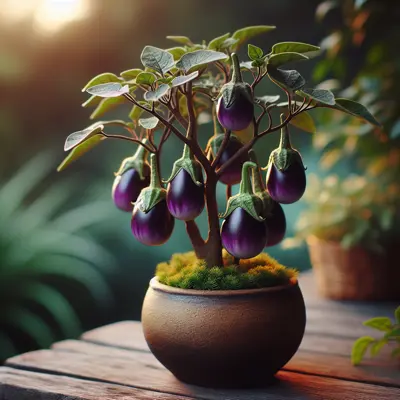
A productive Japanese heirloom that produces slender, glossy purple fruits perfect for Asian cuisine and pickling. The tender, mild flesh has virtually no bitterness and cooks quickly, making it ideal for stir-fries, tempura, and traditional Japanese preparations. This reliable variety is beloved by home gardeners for its consistent production and exceptional eating quality.
Harvest
65-75d
Days to harvest
Sun
Full sun
Zones
9–12
USDA hardiness
Height
2-4 feet
Planting Timeline
Showing dates for Japanese Purple Pickling in USDA Zone 7
All Zone 7 eggplant →Zone Map
Click a state to update dates
Japanese Purple Pickling · Zones 9–12
Growing Details
Succession Planting
Eggplant keeps setting fruit on the same plant all season — you don't sow it in waves the way you would lettuce or radishes. Start seeds indoors 8–10 weeks before your last frost (late February to early March for zone 7), transplant once soil temperatures are consistently above 60°F, and that single planting carries you through July to September without a second round.
If you lose a planting to bacterial wilt or a late frost, a backup tray started up to 6 weeks before your average last frost date can still produce a reasonable harvest before nighttime temperatures fall below 55°F — below that, fruit set stalls out. Under normal conditions, though, one transplant date is all this variety needs.
Complete Growing Guide
Japanese Purple Pickling eggplant matures faster than most cultivars at 65-75 days, so start seeds indoors 6-8 weeks before your last frost and transplant promptly to capitalize on its compact 2-4 foot height—ideal for containers or tight spaces. This variety thrives in consistent warmth above 70°F and benefits from rich, well-draining soil with steady moisture to prevent the fruit splitting that can occur with erratic watering. Unlike larger globe eggplants, these slender fruits demand regular harvesting at 6-8 inches; leaving them too long on the plant encourages woody flesh and reduces future production. Watch for spider mites and flea beetles, which target young transplants aggressively in hot climates. A practical advantage: mulch heavily around the base to maintain soil temperature and moisture stability, which this variety especially rewards with extended yields through fall.
Light: Full sun (6 or more hours of direct sunlight a day). Soil: Loam (Silt), Sand. Soil pH: Acid (<6.0). Drainage: Good Drainage, Moist. Height: 2 ft. 0 in. - 4 ft. 0 in.. Spread: 1 ft. 0 in. - 3 ft. 0 in.. Spacing: 3 feet-6 feet. Growth rate: Medium. Maintenance: Medium. Propagation: Seed.
Harvesting
Harvest Japanese Purple Pickling eggplants when the fruits reach 6-8 inches long with a deep, glossy purple skin and slight give when gently squeezed, indicating peak tenderness and minimal seed development. Pick regularly and frequently—removing mature fruits encourages continuous production throughout the season rather than sporadic yields. Cut fruits from the plant using pruners rather than pulling to avoid damaging the stems. For optimal flavor and texture, harvest in the early morning when fruits are cool and firm, before afternoon heat softens them further. Consistent harvesting every 2-3 days ensures the tender, mild flesh remains at its best for stir-fries and pickling preparations.
The fruit is a berry that is egg-shaped, smooth and has glossy skin. The fruit may measure 4 to 8 inches long. It ranges in color from green to white, to purple-black when immature and when it should be eaten. As the fruit matures it gets stringy and bitter. Fruit contains numerous small, flat, pale yellow to brown seeds.
Color: Black, Gold/Yellow, Green, Purple/Lavender, White. Type: Berry. Length: > 3 inches.
Garden value: Edible, Showy
Harvest time: Fall, Summer
Edibility: The immature fruit is edible and best used in food preparation. As the fruit matures, it becomes stringy and bitter. The fruits are usually cooked and served as a vegetable. They may be prepared and eaten by frying, steaming, grilling, roasting, or stewing. They may also be stir-fried, pickled, stuffed, and fried with a light breading.
Storage & Preservation
Fresh Japanese Purple Pickling eggplants store best at room temperature for 2-3 days, maintaining optimal texture for immediate use in stir-fries and tempura. For longer storage, refrigerate unwashed fruits in a perforated plastic bag for up to one week, though the skin may develop brown spots in cold storage.
For preservation, these eggplants excel at traditional Japanese pickling methods — slice thinly and salt-cure for quick pickles, or ferment in rice bran for authentic tsukemono. Their tender flesh also freezes well when blanched for 4 minutes and packed in freezer bags, though texture becomes softer upon thawing, making frozen eggplant ideal for cooked dishes rather than fresh preparations.
Dehydrating works exceptionally well due to their low moisture content — slice into ¼-inch rounds and dry at 135°F for 8-12 hours until leathery. Properly dried slices store for months and rehydrate beautifully in soups and stews.
History & Origin
This variety represents a traditional Japanese heirloom lineage rather than a documented modern breeding effort, reflecting the long cultivation of slender eggplants throughout East Asia. Japanese pickling eggplants emerge from centuries of regional selection within Japan's diverse eggplant traditions, where different areas developed distinctive types suited to local cuisine and growing conditions. While specific breeder names and introduction dates remain largely undocumented in English-language sources, the variety embodies the broader heritage of Japanese vegetable cultivation refined through generations of home gardeners and local farmers. The consistency and quality associated with 'Japanese Purple Pickling' suggest careful maintenance of seed stock within Japanese gardening communities, typical of how heirloom varieties were perpetuated before modern seed company commercialization.
Origin: China South-Central, Laos, Malaya, Myanmar, Thailand, Vietnam
Advantages
- +Slender fruits are ideal for pickling and Asian stir-fry dishes
- +Mild, sweet flavor with zero bitterness appeals to most palates
- +Produces abundantly and reliably throughout the growing season
- +Cooks quickly in tempura and traditional Japanese preparations
- +Easy to grow, making it perfect for beginner gardeners
Considerations
- -Vulnerable to multiple pests including flea beetles and spider mites
- -Susceptible to serious diseases like verticillium wilt and mosaic virus
- -Requires consistent watering and warm conditions to thrive reliably
Companion Plants
Basil planted 12–18 inches away is worth the space — its volatile oils (linalool, eugenol) may disorient aphids and thrips looking for a landing spot, though the practical harvest bonus of having fresh basil right next to the eggplant is honestly the stronger argument for most home growers. Marigolds, specifically Tagetes patula, pull their weight by exuding alpha-terthienyl from their roots, which suppresses root-knot nematodes in the upper few inches of soil — a measurable benefit for a crop sitting in the ground 65–75 days. Peppers share similar water and calcium needs without crowding eggplant's root zone, so they fit naturally in the same bed without either plant giving something up.
Brassicas are the problem neighbors. They're heavy feeders competing for the same soil calcium and magnesium at the same depth, and their pest cycles — cabbage loopers, imported cabbageworm — overlap with eggplant's flea beetle season in a way that pulls predatory wasps in too many directions at once. Fennel is allelopathic to most vegetables; its root exudates stunt growth in nearby plants, and there's no companion benefit that offsets it.
Plant Together
Basil
Repels aphids, spider mites, and thrips while potentially improving eggplant flavor
Marigolds
Repel nematodes, whiteflies, and other harmful insects through natural compounds
Peppers
Share similar growing requirements and don't compete for resources
Tomatoes
Compatible nightshade family members with similar soil and care needs
Nasturtiums
Act as trap crops for aphids and cucumber beetles while repelling squash bugs
Oregano
Deters aphids, spider mites, and cabbage moths with strong aromatic oils
Hot Peppers
Natural pest deterrent and shares similar growing conditions
Catnip
Repels ants, aphids, and flea beetles more effectively than many commercial repellents
Keep Apart
Black Walnut
Produces juglone toxin that severely stunts or kills nightshade family plants
Fennel
Releases allelopathic compounds that inhibit growth of most vegetables
Brassicas
Compete for nutrients and may stunt eggplant growth through root competition
Nutrition Facts
Per 100g serving. % Daily Value based on 2,000 calorie diet. Source: USDA FoodData Central (FDC #169228)
Pests & Disease Resistance
Resistance
Good general disease tolerance, moderate resistance to bacterial wilt
Common Pests
Flea beetles, aphids, spider mites, Colorado potato beetle
Diseases
Verticillium wilt, bacterial wilt, early blight, mosaic virus
Troubleshooting Japanese Purple Pickling
What you'll see, why it happens, and what to do about it.
Tiny round holes scattered across young leaves, seedlings look like they've been hit with a shotgun — usually within the first 2-3 weeks after transplant
Likely Causes
- Flea beetles (Epitrix spp.) — small, jumping beetles that feed heavily on stressed or newly transplanted eggplant
- Transplant shock leaving the plant too weak to outgrow the damage
What to Do
- 1.Cover transplants immediately with row cover (Agribon AG-19 or similar) and leave it on until plants are 12–14 inches tall and actively growing
- 2.Apply a thick layer of straw mulch around the base — flea beetles prefer bare, warm soil and mulch disrupts their egg-laying cycle
- 3.If pressure is severe, diatomaceous earth dusted on leaves at dusk can knock populations back without reaching for a broad-spectrum insecticide
Plant wilts suddenly and completely — leaves still green, no recovery overnight, and the stem shows brown discoloration when cut open near the base
Likely Causes
- Bacterial wilt caused by Ralstonia solanacearum — soil-borne, spreads via infected transplants or contaminated tools
- Verticillium wilt (Verticillium dahliae) — also produces vascular browning and progressive collapse, especially in cool, wet soils
What to Do
- 1.Pull and bag the entire plant — do not compost it; NC State Extension notes that Ralstonia solanacearum persists in soil indefinitely once introduced
- 2.Rotate that bed out of all nightshade family crops (tomatoes, peppers, potatoes) for at least 3 seasons; plant beans or a legume cover crop to rebuild without feeding the pathogen
- 3.Sanitize any tools used in that bed with a 10% bleach solution before moving them to another bed
Fruit skin looks dull, bronzed, or faded instead of deep glossy purple — sometimes with a slightly spongy feel when pressed
Likely Causes
- Overripe fruit left on the plant past its window — Japanese Purple Pickling peaks at 3–5 inches; skin loses gloss quickly after that
- Spider mite feeding (Tetranychus urticae) causing surface stippling that dulls color, especially during hot, dry stretches above 85°F
What to Do
- 1.Check plants every 2–3 days once fruit set begins; NC State Extension's vegetable harvesting guidelines are direct — any dulling or bronzing means the fruit is already past peak, so cut it now
- 2.Use a knife or pruners, not your hands — cut with a short stem attached; yanking fruit off damages the woody stem and delays the next flush
- 3.If spider mites are behind the discoloration (look for fine webbing on leaf undersides), hit them with a strong water spray or insecticidal soap in the early morning, 3 days running
Frequently Asked Questions
How long does Japanese Purple Pickling eggplant take to grow?▼
Can you grow Japanese Purple Pickling eggplant in containers?▼
Is Japanese Purple Pickling eggplant good for beginners?▼
What does Japanese Purple Pickling eggplant taste like?▼
When should I plant Japanese Purple Pickling eggplant?▼
How do you pickle Japanese Purple Pickling eggplant?▼
Zone-by-Zone Planting Calendar
| Zone | Indoor Start | Transplant | Direct Sow | Harvest |
|---|---|---|---|---|
| Zone 1 | May – May | July – August | — | September – August |
| Zone 2 | April – May | June – July | — | September – September |
| Zone 11 | January – January | January – February | — | April – June |
| Zone 12 | January – January | January – February | — | April – June |
| Zone 13 | January – January | January – February | — | April – June |
| Zone 3 | April – April | June – July | — | August – October |
| Zone 4 | March – April | June – June | — | August – October |
| Zone 5 | March – March | May – June | — | August – October |
| Zone 6 | March – March | May – June | — | July – September |
| Zone 7 | February – March | April – May | — | July – September |
| Zone 8 | February – February | April – May | — | June – August |
| Zone 9 | January – January | March – April | — | May – July |
| Zone 10 | January – January | February – March | — | May – July |
Growing Guides from Wind River Greens
Sources & References
External authority sources used in compiling this guide.
See the Methodology page for how this data is sourced, what's AI-assisted, and known limitations.