Ichiban
Solanum melongena 'Ichiban'
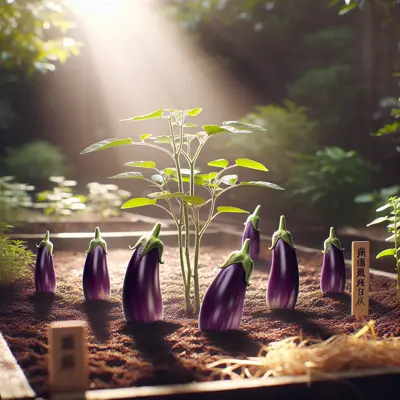
An award-winning Japanese hybrid that's incredibly productive and perfect for beginners, producing dozens of slender 10-inch fruits throughout the season. The tender, non-bitter flesh and thin skin make this variety exceptionally versatile in the kitchen. This reliable performer adapts well to various growing conditions and consistently delivers restaurant-quality eggplants.
Harvest
61-70d
Days to harvest
Sun
Full sun
Zones
9–12
USDA hardiness
Height
2-4 feet
Planting Timeline
Showing dates for Ichiban in USDA Zone 7
All Zone 7 eggplant →Zone Map
Click a state to update dates
Ichiban · Zones 9–12
Growing Details
Succession Planting
Ichiban keeps producing on the same plant for most of the season, so succession planting isn't really necessary the way it is with lettuce or radishes. Set out transplants once — after soil temps hit 60°F and frost risk is gone — and the plant will carry you through until first fall frost. In zones 9–12, where frost is rare or absent, you can start a second round of transplants in late summer (August) to catch the fall flush, but that's more of a refresh than a true succession.
Complete Growing Guide
This Japanese hybrid thrives in warm soil and benefits from starting seeds indoors 6-8 weeks before your last frost, as it prefers consistent temperatures above 70°F to germinate reliably. Unlike heirloom varieties prone to bitterness, Ichiban maintains its mild, creamy flavor even when slightly stressed, though consistent watering prevents any quality decline. Space plants 18-24 inches apart in full sun with well-draining, fertile soil enriched with compost. Watch for spider mites and flea beetles, which can damage the thin skin; row covers during early growth offer effective protection. The slender fruits mature faster than standard eggplants, so monitor plants weekly once flowering begins to harvest at 8-10 inches for optimal tenderness. A practical tip: pinch off lower leaves once plants reach 12 inches tall to improve air circulation and reduce disease pressure, which is particularly important for this high-yielding variety that can develop dense foliage.
Light: Full sun (6 or more hours of direct sunlight a day). Soil: Loam (Silt), Sand. Soil pH: Acid (<6.0). Drainage: Good Drainage, Moist. Height: 2 ft. 0 in. - 4 ft. 0 in.. Spread: 1 ft. 0 in. - 3 ft. 0 in.. Spacing: 3 feet-6 feet. Growth rate: Medium. Maintenance: Medium. Propagation: Seed.
Harvesting
Harvest Ichiban eggplants when they reach their characteristic 8–10 inches in length and display a deep, glossy purple-black skin with a slight give when gently pressed—this tenderness indicates peak maturity before the flesh becomes seedy and bitter. Unlike single-harvest varieties, Ichiban produces continuously throughout the season, so pick fruits regularly every 2–3 days to encourage additional flowering and maximize your yield. The key timing tip: harvest in early morning when temperatures are cool, as this preserves the fruit's tender texture and prevents wilting, and always use pruning shears or a sharp knife to cut the woody stem rather than pulling, which can damage the plant and reduce future production.
The fruit is a berry that is egg-shaped, smooth and has glossy skin. The fruit may measure 4 to 8 inches long. It ranges in color from green to white, to purple-black when immature and when it should be eaten. As the fruit matures it gets stringy and bitter. Fruit contains numerous small, flat, pale yellow to brown seeds.
Color: Black, Gold/Yellow, Green, Purple/Lavender, White. Type: Berry. Length: > 3 inches.
Garden value: Edible, Showy
Harvest time: Fall, Summer
Edibility: The immature fruit is edible and best used in food preparation. As the fruit matures, it becomes stringy and bitter. The fruits are usually cooked and served as a vegetable. They may be prepared and eaten by frying, steaming, grilling, roasting, or stewing. They may also be stir-fried, pickled, stuffed, and fried with a light breading.
Storage & Preservation
Fresh Ichiban eggplants store best at room temperature for 2-3 days if you plan to use them quickly, as refrigeration can cause the flesh to become spongy and develop brown spots. For longer storage, keep them in the refrigerator's crisper drawer wrapped loosely in perforated plastic bags for up to one week.
For preservation, Ichiban's tender flesh makes it ideal for freezing after blanching – slice into rounds, blanch for 4 minutes, then freeze on trays before transferring to freezer bags. The thin skin and mild flavor also make this variety excellent for pickling in salt brine or oil preservation. You can also grill thick slices until tender, then freeze in portions for winter use in stews and curries. Avoid traditional canning methods for eggplant, as the low acid content requires pressure canning and often results in mushy texture.
History & Origin
Ichiban emerged from Japanese eggplant breeding traditions in the late 20th century, developed to meet the specific culinary demands of Asian markets where slender, tender varieties are preferred over the globe-shaped types common in Western gardens. The variety was introduced to North American gardeners through seed catalogs in the 1980s-1990s, gaining prominence as Japanese cuisines became more mainstream. While precise breeder attribution remains undocumented in readily available sources, Ichiban represents the culmination of selective breeding within Japanese horticultural lines focused on productivity and thin-skinned fruit quality. Its award recognition from major seed organizations solidified its reputation as a reliable hybrid suited for both commercial and home cultivation.
Origin: China South-Central, Laos, Malaya, Myanmar, Thailand, Vietnam
Advantages
- +Award-winning Japanese hybrid produces dozens of slender 10-inch fruits prolifically
- +Tender, non-bitter flesh and thin skin make preparation exceptionally easy
- +Matures quickly in 61-70 days, ideal for shorter growing seasons
- +Adapts well to various growing conditions, reliable for beginner gardeners
- +Consistent restaurant-quality eggplants with mild, sweet, creamy flavor profile
Considerations
- -Vulnerable to verticillium wilt and bacterial wilt in contaminated soil
- -Susceptible to flea beetles and Colorado potato beetles requiring pest management
- -Requires consistent watering and warm temperatures to prevent fruit drop
Companion Plants
Basil planted 12 inches from Ichiban may offer some aphid and thrips deterrence — the evidence is mixed, but the proximity makes sense on a practical level since you're harvesting both regularly anyway. French marigolds (Tagetes patula) do more concrete work: the roots release alpha-terthienyl, a compound that suppresses root-knot nematodes (Meloidogyne spp.), which is genuinely useful in beds that have seen nightshades for more than two seasons. Nasturtiums function as a trap crop for aphids — plant a few 12–18 inches out from your eggplant row, check them first every time you walk the bed, and you'll often find the colonies clustered there rather than on the Ichiban itself.
Fennel releases allelopathic root exudates that stunt most vegetable crops and should stay on the opposite side of the garden entirely. Black walnut produces juglone, a compound that moves through the soil and is toxic to nightshades at the root level — Ichiban planted within 50–60 feet of a black walnut is likely to yellow, stall, and drop fruit before you figure out why. Corn is a lower-stakes problem but still a bad neighbor: it pulls nitrogen hard, shades aggressively once it hits 6 feet, and draws Colorado potato beetle, which will cross over to your eggplant without hesitation.
Plant Together
Basil
Repels aphids, spider mites, and whiteflies while potentially improving eggplant flavor
Marigolds
Deters nematodes, aphids, and flea beetles with natural compounds
Peppers
Similar growing requirements and both benefit from shared pest deterrents
Tomatoes
Compatible nightshade family members with similar care needs
Nasturtiums
Acts as trap crop for aphids and cucumber beetles, protecting eggplant
Oregano
Repels aphids, spider mites, and provides ground cover to retain soil moisture
Borage
Attracts beneficial insects and may improve growth and flavor of eggplant
Catnip
Strong insect repellent properties, especially effective against flea beetles
Keep Apart
Fennel
Releases allelopathic compounds that inhibit growth of most vegetables including eggplant
Black Walnut
Produces juglone toxin that causes wilting and death in nightshade family plants
Corn
Competes for nutrients and can harbor corn earworm which also attacks eggplant
Nutrition Facts
Per 100g serving. % Daily Value based on 2,000 calorie diet. Source: USDA FoodData Central (FDC #169228)
Pests & Disease Resistance
Resistance
Good resistance to tobacco mosaic virus and other common diseases
Common Pests
Flea beetles, Colorado potato beetle, aphids
Diseases
Verticillium wilt, bacterial wilt, early blight
Troubleshooting Ichiban
What you'll see, why it happens, and what to do about it.
Tiny round holes shotgunned across young leaves, especially on transplants in the first 2–3 weeks after setting out
Likely Causes
- Flea beetles (Epitrix spp.) — they overwinter in soil and leaf litter and hit transplants hard before plants toughen up
- Stressed or slow-establishing transplants, which can't outgrow the damage fast enough
What to Do
- 1.Cover transplants immediately with floating row cover (Agribon-15 or similar) and leave it on until plants are 12 inches tall and actively growing
- 2.If row cover isn't an option, apply kaolin clay (Surround WP) to coat the leaves — flea beetles avoid the particle film
- 3.Don't plant into cold soil below 60°F; slow transplants sit vulnerable for longer
Plant wilts suddenly and completely during the day, doesn't recover overnight, and the stem interior shows brown discoloration when cut
Likely Causes
- Bacterial wilt (Ralstonia solanacearum) — soil-borne, spreads by contaminated tools and infected transplants; NC State Extension notes it persists in soil indefinitely once introduced
- Verticillium wilt (Verticillium dahliae) — another soil-borne pathogen common in beds with a history of nightshade crops
What to Do
- 1.Dig up and remove the entire plant, including as much root mass as you can — bag it and trash it, don't compost it
- 2.Don't plant eggplant, tomatoes, peppers, or potatoes in that spot for at least 3–4 years; NC State Extension recommends rotating out of the nightshade family entirely
- 3.If the bed is small, grow Ichiban in 5-gallon containers with fresh potting mix so the roots never touch infected native soil
Older lower leaves develop dark brown spots with concentric rings (bullseye pattern), yellowing around each spot, progressing up the plant
Likely Causes
- Early blight (Alternaria solani) — spores splash up from soil during rain or overhead irrigation
- Crowded spacing or a dense canopy that slows leaf drying after rain
What to Do
- 1.Strip affected lower leaves and bag them — don't drop them at the base of the plant
- 2.Lay 2–3 inches of straw mulch across the soil surface to stop rain-splash transmission
- 3.Space plants at least 18–24 inches apart and skip this bed if it grew tomatoes, peppers, or potatoes the previous season
Frequently Asked Questions
How long does Ichiban eggplant take to grow from seed?▼
Can you grow Ichiban eggplant in containers?▼
Is Ichiban eggplant good for beginners?▼
What does Ichiban eggplant taste like compared to regular eggplant?▼
When should I plant Ichiban eggplant seeds?▼
How many eggplants does one Ichiban plant produce?▼
Zone-by-Zone Planting Calendar
| Zone | Indoor Start | Transplant | Direct Sow | Harvest |
|---|---|---|---|---|
| Zone 1 | May – May | July – August | — | September – August |
| Zone 2 | April – May | June – July | — | September – September |
| Zone 11 | January – January | January – February | — | April – June |
| Zone 12 | January – January | January – February | — | April – June |
| Zone 13 | January – January | January – February | — | April – June |
| Zone 3 | April – April | June – July | — | August – October |
| Zone 4 | March – April | June – June | — | August – October |
| Zone 5 | March – March | May – June | — | August – October |
| Zone 6 | March – March | May – June | — | July – September |
| Zone 7 | February – March | April – May | — | July – September |
| Zone 8 | February – February | April – May | — | June – August |
| Zone 9 | January – January | March – April | — | May – July |
| Zone 10 | January – January | February – March | — | May – July |
Growing Guides from Wind River Greens
Sources & References
External authority sources used in compiling this guide.
See the Methodology page for how this data is sourced, what's AI-assisted, and known limitations.