Bahia Grass
Paspalum notatum
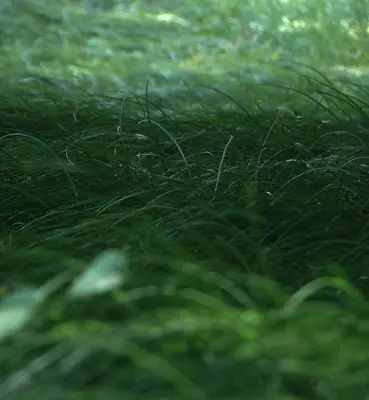
A tough, drought-tolerant grass that thrives in sandy soils and hot climates where other grasses struggle. Originally from South America, Bahia grass forms a dense, low-maintenance lawn that can handle heavy foot traffic and extended dry periods. Its deep root system makes it excellent for erosion control and sustainable landscaping in challenging conditions.
Sun
Full sun
Zones
8–10
USDA hardiness
Height
2 feet
Planting Timeline
Showing dates for Bahia Grass in USDA Zone 8
All Zone 8 grass →Zone Map
Click a state to update dates
Bahia Grass · Zones 8–10
Growing Details
Complete Growing Guide
Light: Full sun (6 or more hours of direct sunlight a day). Soil: Loam (Silt), Sand. Soil pH: Acid (<6.0). Drainage: Good Drainage, Moist, Occasionally Dry. Growth rate: Rapid. Maintenance: Low. Propagation: Division, Seed. Regions: Coastal, Piedmont.
Harvesting
V-shaped seed head with many small spikelets
Type: Caryopsis.
Harvest time: Fall, Summer
Storage & Preservation
Bahia grass doesn't require traditional storage as it's a living lawn plant. Maintain the grass in situ by watering during establishment (first 4-6 weeks) and periodically during severe droughts. For seed storage, keep Bahia grass seeds in a cool, dry place (50-70°F) with low humidity (below 50%) in airtight containers for up to 3 years. Preservation methods include: (1) Proper mowing at 2-3 inches to maintain density and vigor; (2) Overseeding thin patches to maintain turf quality; (3) Annual soil testing and light fertilization to sustain deep root development and drought tolerance.
History & Origin
Paspalum notatum, known commonly as bahiagrass, common bahia, and Pensacola bahia, is a tropical to subtropical perennial grass. It is known for its prominent V-shaped inflorescence consisting of two spike-like racemes containing multiple tiny spikelets, each about 2.8–3.5 millimetres (0.11–0.14 in) long.
Advantages
- +Extremely drought-tolerant grass perfect for arid and semi-arid climates
- +Thrives in poor sandy soils where most grasses fail completely
- +Dense growth pattern requires minimal fertilizer and maintenance inputs
- +Deep root system provides excellent erosion control on slopes
- +Handles heavy foot traffic and wear without significant damage
Considerations
- -Coarse texture and appearance less attractive than premium lawn grasses
- -Susceptible to mole crickets and armyworms requiring pest management
- -Spreads slowly compared to other warm-season grass varieties
- -Limited shade tolerance restricts planting in partially shaded areas
Companion Plants
White clover, crimson clover, and vetch are the most practical companions for a Bahia stand that's doing double duty as a pasture mix or low-maintenance groundcover. All three fix atmospheric nitrogen through Rhizobium bacteria in their root nodules, which slowly feeds the surrounding grass without any bag fertilizer. Lespedeza pulls the same trick and tolerates the same acidic, low-fertility soils — pH 5.5–6.5 — that Bahia prefers, so they don't crowd each other out. Yarrow, chicory, and plantain add deep taproots that fracture compacted subsoil and cycle up minerals that Bahia's shallower roots don't reach.
Johnson grass and cogon grass (Imperata cylindrica) are the ones to exclude from the start. Both spread by rhizome and seed and can displace an established Bahia stand in a single season; cogon grass is listed as a Category I invasive in Florida and several neighboring states and is genuinely difficult to eradicate once it's rooted in — repeated glyphosate applications 6–8 weeks apart are usually needed. Wild garlic spreads more slowly but bulblets left behind after pulling will regrow all season, and it thins turf enough to give the worse invaders an opening.
Plant Together
White Clover
Fixes nitrogen in soil, improving grass nutrition and reducing fertilizer needs
Crimson Clover
Adds nitrogen to soil and provides ground cover during cooler months
Vetch
Nitrogen-fixing legume that enhances soil fertility for grass growth
Lespedeza
Deep-rooted legume that improves soil structure and adds nitrogen
Plantain
Deep taproot breaks up compacted soil, improving water and nutrient penetration
Dandelion
Accumulates nutrients from deep soil layers and improves soil aeration
Yarrow
Improves soil health and attracts beneficial insects for natural pest control
Chicory
Deep taproot improves drainage and brings nutrients to surface soil
Keep Apart
Wild Garlic
Competes aggressively for nutrients and can inhibit grass growth through allelopathy
Johnson Grass
Allelopathic properties suppress Bahia grass growth and establishment
Cogon Grass
Highly invasive and allelopathic, severely inhibiting native grass growth
Brazilian Pepper
Produces allelopathic compounds that inhibit grass germination and growth
Pests & Disease Resistance
Resistance
Excellent resistance to most diseases, very hardy
Common Pests
Mole crickets, armyworms, chinch bugs
Diseases
Dollar spot, brown patch (rare)
Troubleshooting Bahia Grass
What you'll see, why it happens, and what to do about it.
Irregular dead patches, 2–6 inches wide, appearing in late spring through summer — often with a spongy or tunneled feel underfoot
Likely Causes
- Mole crickets (Scapteriscus spp.) tunneling through the root zone, severing roots and drying out soil
- Soil staying loose and aerated near the surface — a sign of active tunneling, not drought stress alone
What to Do
- 1.Do a soap flush (2 tablespoons dish soap in 1 gallon of water per square foot) in the evening — if mole crickets surface within 3 minutes, the population is high enough to treat
- 2.Apply a labeled insecticide (bifenthrin or imidacloprid) in late spring when nymphs are small and feeding near the surface; adults treated in fall respond much less reliably
- 3.Water lightly before application so the product moves down into the root zone rather than sitting on dry thatch
Circular tan or straw-colored spots, 2–4 inches across, with a slightly sunken center and reddish-brown border — showing up during humid stretches between June and September
Likely Causes
- Dollar spot (Clarireedia jacksonii) — a fungal pathogen that flares when nights are cool and dewy after warm days
- Low soil nitrogen, which makes turf far more susceptible than a properly fed stand
What to Do
- 1.Side-dress with a light nitrogen application (0.5 lb actual N per 1,000 sq ft) — underfed Bahia picks up dollar spot faster than a lawn on a regular fertility program
- 2.Shift irrigation to early morning so the canopy dries out before nightfall
- 3.For a severe outbreak, propiconazole will knock it back, but correcting the fertility gap matters more for keeping it from returning
Broad swaths of grass chewed to bare stems or soil overnight, often appearing in late summer — sometimes with moth activity visible at dusk
Likely Causes
- Fall armyworms (Spodoptera frugiperda) — they feed heavily after dark and can strip a lawn in 48–72 hours
- Egg masses laid on nearby vegetation hatching into large populations that move in waves across the turf
What to Do
- 1.Scout in early morning by parting the grass near the damage edge and looking for small green or brown caterpillars at soil level; more than 3–4 per square foot warrants immediate treatment
- 2.Apply spinosad or bifenthrin in the early evening when larvae are actively feeding for the best knockdown
- 3.Bahia recovers well once the roots are intact — water and apply 0.5 lb N per 1,000 sq ft after treatment to push regrowth
Frequently Asked Questions
How long does it take Bahia grass to establish a full lawn?▼
Is Bahia grass good for beginners?▼
Can Bahia grass grow in containers?▼
When should I plant Bahia grass seed?▼
What is Bahia grass best used for?▼
How often should I mow Bahia grass?▼
Zone-by-Zone Planting Calendar
Growing Guides from Wind River Greens
Sources & References
External authority sources used in compiling this guide.
- ExtensionNC State Extension
See the Methodology page for how this data is sourced, what's AI-assisted, and known limitations.