Bermuda Grass
Cynodon dactylon
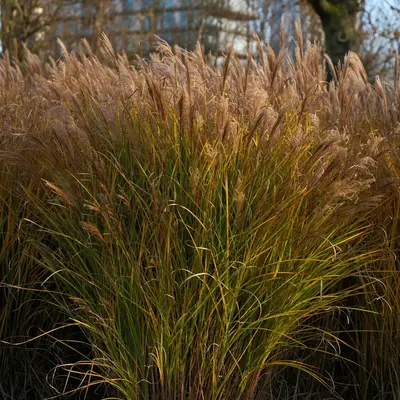
A warm-season perennial grass prized for its exceptional drought tolerance and ability to create a dense, durable lawn that withstands heavy foot traffic. This aggressive spreader quickly fills in bare spots and recovers rapidly from damage, making it ideal for active families and sunny locations. Its fine texture and vibrant green color create an attractive carpet-like appearance when properly maintained.
Sun
Full sun
Zones
6–10
USDA hardiness
Height
3-6 inches
Planting Timeline
Showing dates for Bermuda Grass in USDA Zone 7
All Zone 7 grass →Zone Map
Click a state to update dates
Bermuda Grass · Zones 6–10
Growing Details
Succession Planting
Bermuda grass isn't a succession crop — you establish it once and manage it as a perennial stand. In zone 7, seed or lay plugs 6–12 inches apart from late March through May, once soil temps reach a consistent 65°F at 2-inch depth. Seeding too early into cold soil means sitting in the ground for weeks doing nothing while weed pressure builds. If you're overseeding thin spots, do it in late spring rather than fall — fall-seeded Bermuda won't have enough time to root in before dormancy.
Complete Growing Guide
Light: Full sun (6 or more hours of direct sunlight a day). Soil: Clay, High Organic Matter, Loam (Silt), Sand, Shallow Rocky. Soil pH: Acid (<6.0), Alkaline (>8.0), Neutral (6.0-8.0). Drainage: Good Drainage, Moist, Occasionally Dry. Height: 0 ft. 3 in. - 0 ft. 6 in.. Spread: 0 ft. 3 in. - 0 ft. 6 in.. Growth rate: Rapid. Maintenance: High, Medium. Propagation: Division, Seed, Stem Cutting. Regions: Coastal, Piedmont.
Harvesting
Bermuda grass reaches peak readiness for mowing when blades display vibrant green coloration and reach the upper end of their 3-6 inch height range, typically feeling firm and upright to the touch. Rather than a single harvest, bermuda grass requires continuous maintenance through regular mowing throughout its active growing season, ideally every 7-10 days during warm months to maintain density and appearance. The critical timing tip for this cultivar is to mow before mid-afternoon on a dry day, as moisture can cause clumping and uneven cutting, while frequent harvesting actually stimulates the aggressive lateral growth pattern that makes bermuda grass excel at filling bare patches and recovering from stress.
This is an ornamental variety — not grown for harvest. Enjoy in the garden landscape.
Storage & Preservation
Bermuda grass doesn't require traditional storage as it's a living perennial lawn rather than a harvested crop. For sod pieces or plugs, keep them cool and moist (60-70°F, high humidity) before planting—ideally within 24-48 hours of delivery. Store in shade to prevent heat stress. Preservation methods: (1) Maintain consistent irrigation to prevent dormancy and preserve vigor; (2) Apply light nitrogen fertilizer monthly during growing season to sustain color and density; (3) Implement proper drainage and aeration to prevent disease and maintain soil health for long-term lawn vitality.
History & Origin
Origin: Temperate and Subtropical Old World to Australia
Advantages
- +Bermuda grass tolerates drought exceptionally well and requires minimal watering.
- +Creates dense, durable lawns that recover quickly from heavy foot traffic.
- +Aggressively spreads to fill bare spots rapidly and naturally.
- +Thrives in sunny locations with vibrant green color and fine texture.
- +Easy to maintain with straightforward care requirements for most gardeners.
Considerations
- -Susceptible to spring dead spot, dollar spot, and brown patch diseases.
- -Becomes dormant and turns brown during winter in cooler climates.
- -Requires consistent sunlight and struggles in shaded or partially shaded areas.
- -Can become invasive and difficult to contain in garden beds.
Companion Plants
Clover, dandelion, and plantain fix nitrogen or mine deep minerals and cycle them back toward the surface where Bermuda's shallow stolons can actually reach them — they're doing soil work the grass can't do on its own. Yarrow and chamomile pull in predatory insects without putting up much of a fight for water. St. Augustine and zoysia are the ones to keep out: both spread aggressively through the same sun and soil zone as Bermuda, and wherever the two populations overlap you get a ragged, unmanageable mess rather than a clean stand of either. Black walnut is a flat no — the juglone it releases through root exudate and leaf litter will thin Bermuda noticeably within the canopy drip line.
Plant Together
Clover
Fixes nitrogen in soil, improving grass health and reducing fertilizer needs
Dandelion
Deep taproot brings nutrients to surface, aerates compacted soil for grass roots
Plantain
Tolerates foot traffic well, reduces soil compaction in high-use areas
Chicory
Deep roots break up hardpan soil and bring minerals to grass root zone
Yarrow
Improves soil structure and helps grass withstand drought stress
Ryegrass
Provides cool-season coverage when Bermuda goes dormant in winter
Fescue
Complements Bermuda in transitional zones, thrives in shade where Bermuda struggles
Chamomile
Accumulates nutrients and releases them slowly, benefits surrounding grass
Keep Apart
St. Augustine Grass
Competes aggressively for space and nutrients, can overtake Bermuda in favorable conditions
Tall Fescue
Dense growth habit and allelopathic properties can suppress Bermuda grass establishment
Black Walnut
Releases juglone toxin that inhibits Bermuda grass growth and causes yellowing
Zoysia Grass
Creates patchy lawn appearance due to different growth rates and seasonal color changes
Pests & Disease Resistance
Resistance
Good resistance to most diseases, susceptible to spring dead spot in transition zones
Common Pests
Armyworms, grubs, chinch bugs, mole crickets
Diseases
Spring dead spot, dollar spot, brown patch in high humidity
Troubleshooting Bermuda Grass
What you'll see, why it happens, and what to do about it.
Irregular brown patches, 6–24 inches across, appearing in spring as the lawn breaks dormancy
Likely Causes
- Spring dead spot (Ophiosphaerella herpotricha) — a fungal pathogen that colonizes roots during fall dormancy and kills circular zones before green-up
- Low soil pH below 6.0, which worsens the disease's hold on root tissue
What to Do
- 1.Test your soil pH and lime up to the 6.0–7.0 range if needed — this won't cure existing spots but reduces recurrence
- 2.Avoid heavy nitrogen fertilization in late summer, which pushes lush growth right before the fungus gets active
- 3.Overseed dead patches in late spring once soil hits 65°F; the grass won't fill in on its own quickly
Grass thinning in irregular patterns mid-summer, with small yellow or straw-colored blades that pull up easily from the soil
Likely Causes
- White grubs (larvae of masked chafers or Japanese beetles) feeding on roots 2–4 inches below the surface
- Mole crickets tunneling through the root zone, severing grass from soil contact
What to Do
- 1.Tug the grass — if a 1-square-foot section lifts like a loose carpet and you find 6 or more grubs underneath, treat with an imidacloprid-based grub control applied before July
- 2.For mole crickets, a soapy water drench (2 tablespoons dish soap per gallon) poured over a 2-square-foot area will flush them to the surface so you can confirm they're the problem before treating
- 3.Maintain consistent moisture — drought-weakened turf takes far more damage from both pests than turf that's not already stressed
Circular tan or straw-colored spots, 2–6 inches wide, with reddish-brown borders, showing up during humid stretches in summer
Likely Causes
- Dollar spot (Clarireedia jacksonii) — thrives when nighttime temps stay above 50°F and humidity is high, especially on underfertilized turf
- Nitrogen deficiency leaving the grass too weak to outgrow infection
What to Do
- 1.Apply a light nitrogen fertilizer (0.5 lb per 1,000 sq ft) — dollar spot almost always gets worse on hungry turf
- 2.Water early in the morning so blades dry out by midday; evening irrigation keeps the canopy wet overnight, which is exactly what dollar spot wants
- 3.If spots are spreading fast, a fungicide containing propiconazole (follow label rates) will knock it back, but fix the fertility issue or it'll return
Frequently Asked Questions
How long does it take for Bermuda grass to establish?▼
Is Bermuda grass good for beginners?▼
When should I plant Bermuda grass?▼
Can Bermuda grass grow in shade?▼
How do I prevent armyworms and grubs in Bermuda grass?▼
What makes Bermuda grass different from other warm-season grasses?▼
Zone-by-Zone Planting Calendar
Growing Guides from Wind River Greens
Sources & References
External authority sources used in compiling this guide.
- ExtensionNC State Extension
See the Methodology page for how this data is sourced, what's AI-assisted, and known limitations.