Sea Buckthorn
Hippophae rhamnoides
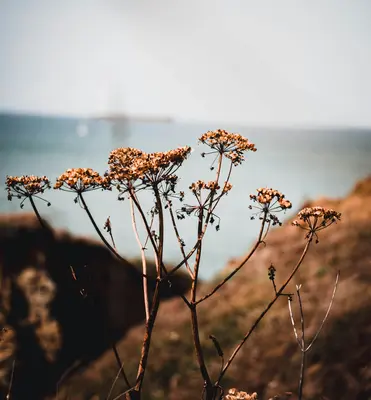
An extraordinary superfruit packed with vitamin C, healthy fats, and antioxidants, often called the 'holy fruit of the Himalayas.' These extremely hardy shrubs produce brilliant orange berries on silver-leafed plants that add stunning ornamental value to the landscape. Perfect for harsh climates and coastal conditions where other berries won't survive.
Harvest
120-150d
Days to harvest
Sun
Full sun
Zones
3–7
USDA hardiness
Height
18 feet
Planting Timeline
Showing dates for Sea Buckthorn in USDA Zone 7
All Zone 7 berry →Zone Map
Click a state to update dates
Sea Buckthorn · Zones 3–7
Growing Details
Complete Growing Guide
Start your sea buckthorn journey by selecting the right location and plants. You'll need both male and female plants for fruit production—purchase one male for every 6-8 females, and plant them within 100 feet of each other. Choose a windswept, sunny location that mimics their native Himalayan habitat.
Soil preparation is surprisingly minimal thanks to sea buckthorn's hardy nature. These plants actually prefer poor, sandy soils with excellent drainage. Avoid rich, fertile areas where they'll produce excessive foliage at the expense of berries. If your soil is clay-heavy, work in coarse sand and gravel to improve drainage. The ideal pH ranges from 6.0-8.0, and they'll tolerate alkaline conditions that kill most berry plants.
Planting from seed requires patience—expect 3-7 years before fruiting. Start seeds indoors in late winter after cold stratifying for 90 days in your refrigerator. Soak seeds in warm water for 24 hours before stratification. Transplant seedlings outdoors after the last frost, spacing them 6-10 feet apart. For faster results, purchase nursery plants and plant in spring or fall when dormant.
Fertizing should be minimal. Over-fertilization leads to weak, spindly growth. Apply a balanced 10-10-10 fertilizer once in early spring for young plants, then reduce to every other year once established. Focus on phosphorus to encourage root development in the first two years.
Training is crucial for harvest accessibility. Sea buckthorn naturally grows 6-15 feet tall with thorny branches. Prune in late winter to maintain 6-8 feet height and create an open center for air circulation. Remove suckers regularly—these plants spread aggressively through root runners.
Common mistakes include overwatering (they're drought-tolerant once established), planting in rich soil, and expecting quick results. Be patient with young plants; they're investing energy in developing their extensive root systems. In zones 3-7, they're bulletproof once established. In warmer zones 8-9, provide afternoon shade and extra water during hot summers.
Harvesting
Sea buckthorn berries ripen in late August through September, depending on your climate. The berries transition from green to bright orange, developing their characteristic glossy appearance when ready. Unlike many berries, sea buckthorn doesn't soften when ripe—they remain firm and almost bead-like on the branches.
Harvest in early morning when temperatures are cool and berries are firmest. The traditional method involves cutting entire fruiting branches with pruning shears, then freezing the branches overnight. Once frozen, the berries shake off easily into collection containers. This method also serves as annual pruning.
Alternatively, use the 'strip harvesting' method: grasp the branch firmly and strip berries downward with a gloved hand. Wear old clothes—the oil-rich berries stain permanently. Some growers use specialized combs or rakes designed for berry harvesting.
Be prepared for the thorns—these plants earned their defensive reputation honestly. Long sleeves and thick gloves are essential. The berries cluster densely along two-year-old wood, making harvest relatively efficient once you develop your technique.
Storage & Preservation
Fresh sea buckthorn berries keep 2-3 days at room temperature, or up to two weeks refrigerated in shallow containers. Don't wash until ready to use, as excess moisture promotes spoilage.
Freezing is the most practical preservation method. Wash berries gently, drain thoroughly, and freeze in single layers on baking sheets. Once frozen solid, transfer to freezer bags for up to 18 months. Frozen berries work perfectly for juicing and cooking.
For juice extraction, crush fresh or thawed berries and strain through fine mesh. The resulting juice freezes well and maintains its nutritional potency. Sea buckthorn's natural oils separate during processing—this is normal and desirable for many uses.
Dehydrating works well for creating tart, chewy snacks similar to dried cranberries. Use a food dehydrator at 135°F for 12-18 hours, or oven-dry at the lowest temperature. The high oil content means they won't become completely crisp like other dried berries.
History & Origin
Sea buckthorn (Hippophae rhamnoides) originates from the mountainous regions of Europe and Asia, particularly the Himalayas, where it's been cultivated for over 1,000 years. Tibetan and Mongolian peoples traditionally called it 'bu tsi' and valued it as both food and medicine, using every part of the plant.
The plant gained modern attention in Russia during the 1940s when Soviet researchers began studying its exceptional nutritional profile. Russian cosmonauts consumed sea buckthorn products for their concentrated vitamins and omega fatty acids—particularly the rare omega-7 palmitoleic acid found in few other plant sources.
Commercial cultivation expanded throughout Northern Europe in the 1960s, particularly in Germany and Scandinavia, where it became known as 'Sanddorn.' These programs developed improved cultivars with larger berries and better growth habits.
Sea buckthorn earned its English name from its traditional use as livestock fodder in coastal areas, where its salt tolerance and hardy nature made it invaluable for stabilizing sandy soils. Today, it's experiencing renaissance interest in North America as gardeners discover this remarkable 'superfruit' that thrives where other berries fail.
Advantages
- +Exceptional cold hardiness surviving temperatures down to -40°F without protection
- +Thrives in poor, sandy, or alkaline soils where other berries fail completely
- +Outstanding salt tolerance making it perfect for coastal gardens
- +Virtually pest and disease-free with natural resistance to most common problems
- +Extremely high nutritional value with rare omega-7 fatty acids and 12 times more vitamin C than oranges
- +Drought tolerant once established, requiring minimal irrigation
- +Attractive ornamental value with silvery foliage and brilliant orange berries lasting through winter
Considerations
- -Requires both male and female plants for fruit production, increasing initial investment
- -Aggressive spreading through root suckers can overtake garden areas if not managed
- -Sharp thorns make harvesting challenging and require protective clothing
- -Extremely tart, astringent flavor requires processing rather than fresh eating
- -Slow to establish with 3-4 years before significant fruit production
Companion Plants
Nitrogen-fixing plants are the most practical companions here — clover or vetch underplanted around the root zone work alongside sea buckthorn's own Frankia actinomycete root symbionts, keeping soil nitrogen up without any bagged fertilizer. Lavender, rosemary, and thyme are good choices too: all three prefer lean, well-drained soil and won't compete for water, which matters in a zone 7 Georgia summer. Black walnut is the one to keep well away — juglone moves through soil far enough to reach spreading sea buckthorn roots, and the damage shows up slowly enough that you won't connect it to the walnut until you've lost a season or two.
Plant Together
Nitrogen-fixing legumes (clover, vetch)
Fix nitrogen in soil, improving soil fertility for sea buckthorn's moderate nitrogen needs
Lavender
Attracts beneficial pollinators and repels pests, thrives in similar well-drained conditions
Rosemary
Deters pests with aromatic oils, tolerates similar sandy, well-drained soil conditions
Thyme
Ground cover that suppresses weeds and attracts beneficial insects, drought tolerant
Marigolds
Repel nematodes and aphids while attracting beneficial insects for pest control
Comfrey
Deep taproot brings nutrients to surface, can be used as mulch for sea buckthorn
Elderberry
Similar growing conditions and complementary harvest times, both attract beneficial wildlife
Ornamental grasses
Provide windbreak protection and erosion control, tolerate similar soil conditions
Keep Apart
Black walnut
Produces juglone which is toxic to sea buckthorn and inhibits root development
Large deciduous trees
Create excessive shade and root competition, sea buckthorn requires full sun
Rhododendrons
Require acidic soil conditions, incompatible with sea buckthorn's preference for neutral to alkaline soil
Nutrition Facts
Per 100g serving. % Daily Value based on 2,000 calorie diet. Source: USDA FoodData Central (FDC #167762)
Pests & Disease Resistance
Resistance
Excellent disease resistance, very hardy plant
Common Pests
Few pest issues, occasionally aphids
Diseases
Rarely affected by diseases due to hardiness
Troubleshooting Sea Buckthorn
What you'll see, why it happens, and what to do about it.
New shoot tips curling or stunted, with clusters of small soft-bodied insects visible on stems in spring
Likely Causes
- Aphid infestation (likely Aphis sp.) — common on fresh growth, especially after a warm, dry stretch
- Absence of beneficial predators like ladybugs or lacewings in a newly established planting
What to Do
- 1.Knock aphids off with a strong stream of water from a hose — do this in the morning so foliage dries before evening
- 2.Spray with insecticidal soap (2-3% solution) directly on colonies; repeat every 5-7 days until gone
- 3.Plant marigolds or clover nearby to draw in predatory insects over the long term
Plant fails to fruit or produces only scattered berries despite being several years old
Likely Causes
- Missing a male pollinator plant — sea buckthorn is dioecious, meaning you need at least one male for every 5-8 female plants
- Male and female plants too far apart for wind pollination to work reliably — effective range is roughly 50-60 feet
What to Do
- 1.Verify the sex of your plants — males produce small brownish buds in early spring; females have green buds
- 2.Plant a confirmed male variety (such as 'Pollmix' or 'Romeo') within 50-60 feet of your female plants
- 3.If space is tight, graft a male branch onto a female plant as a stopgap
Leaves yellowing between the veins (interveinal chlorosis) while leaf edges stay green, visible mid-season
Likely Causes
- Iron or manganese deficiency caused by soil pH above 8.0 — both micronutrients lock up at high pH
- Waterlogged soil restricting root function and nutrient uptake
What to Do
- 1.Test your soil pH; if it's above 8.0, work in elemental sulfur at 1-2 lbs per 100 sq ft to bring it down toward 6.5-7.5
- 2.Improve drainage by mounding planting sites or adding coarse grit to the backfill
- 3.Apply a chelated iron foliar spray as a short-term fix while you work on the soil
Vigorous suckering from the roots, with new shoots appearing 3-6 feet from the main trunk
Likely Causes
- Sea buckthorn's naturally aggressive lateral root system — the same roots that host Frankia actinomycetes for nitrogen fixation also spread wide and throw suckers readily
- Root disturbance from cultivation, mowing, or digging near the drip line stimulates new shoot production
What to Do
- 1.Clip suckers at ground level as soon as they appear, then sever the connecting root with a sharp spade — clipping alone without cutting the root just slows them down
- 2.Install a root barrier at 12-18 inch depth around the planting if you need to contain spread in a tight space
- 3.If you want to propagate, pot up rooted suckers in spring and transplant them — they establish faster than seed-grown stock
Frequently Asked Questions
How long does sea buckthorn take to produce fruit?▼
Can you grow sea buckthorn in containers?▼
What does sea buckthorn taste like?▼
Do I really need male and female sea buckthorn plants?▼
Is sea buckthorn invasive or aggressive?▼
When should I plant sea buckthorn?▼
Zone-by-Zone Planting Calendar
Growing Guides from Wind River Greens
Sources & References
External authority sources used in compiling this guide.
See the Methodology page for how this data is sourced, what's AI-assisted, and known limitations.