Best Native Wildflowers for Heirloom
21 native wildflower varieties well-suited for heirloom varieties. Open-pollinated heritage cultivars with unique flavor.
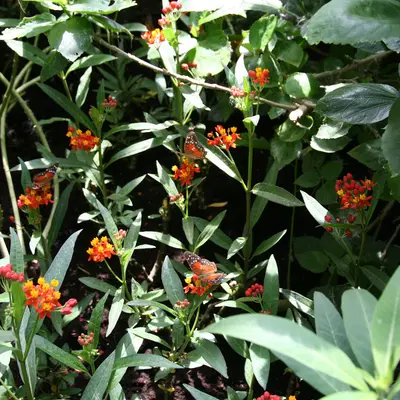
Apollo Orange
Tall, vigorous plants do best in warm, relatively dry conditions. Vivid orange blooms with attractive, slender foliage. Best used for cut flowers. Asclepias curassavica is attractive to butterflies and pollinators but we recommend planting a native species for best supporting butterflies. Also known as milkweed, butterfly weed, blood flower, and sunset flower. Tender perennial in Zones 7-10.
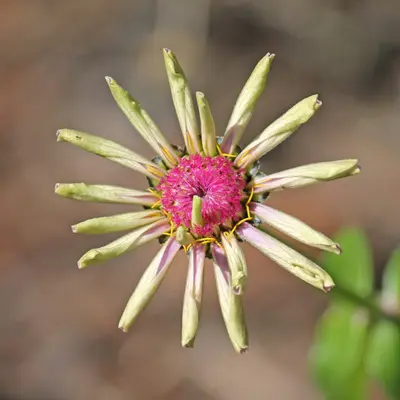
Bee Balm
Semidouble blooms in shades of lavender, salmon, magenta, and pale to bright pinks are useful as cut and edible flowers. Additionally, monarda attracts bees, butterflies, and hummingbirds to the garden. Also known as beebalm, Oswego tea, and scarlet beebalm. Medicinal: Aerial parts in infusions to improve digestion. Leaves and blooms contain thymol-related antibiotic-antiseptic compounds. Perennial in Zones 4-9. Edible Flowers: Add petals to salads, sprinkle over mild fish, use in fruit salads, or to garnish desserts and drinks. Flavor is minty and spicy.
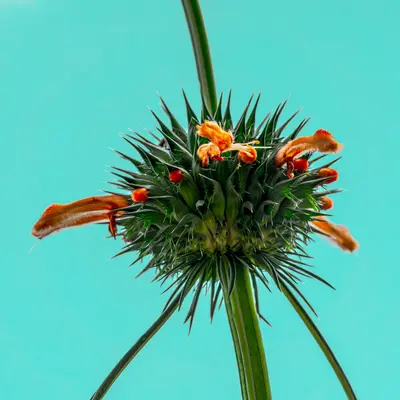
Black-Eyed Susan
Black-Eyed Susan is a cheerful native wildflower featuring bright golden-yellow petals radiating from a dark brown or black central cone. This heirloom variety matures in 100-120 days and thrives in full sun to partial shade with minimal care requirements. Highly adaptable to various soil types, it prefers well-drained conditions and tolerates poor soils where many plants struggle. The flowers bloom prolifically throughout summer and fall, making it excellent for pollinator gardens, naturalized plantings, and cut arrangements. Though occasionally browsed by deer, it resists most pests effectively. Primarily grown for ornamental and ecological value rather than culinary use.
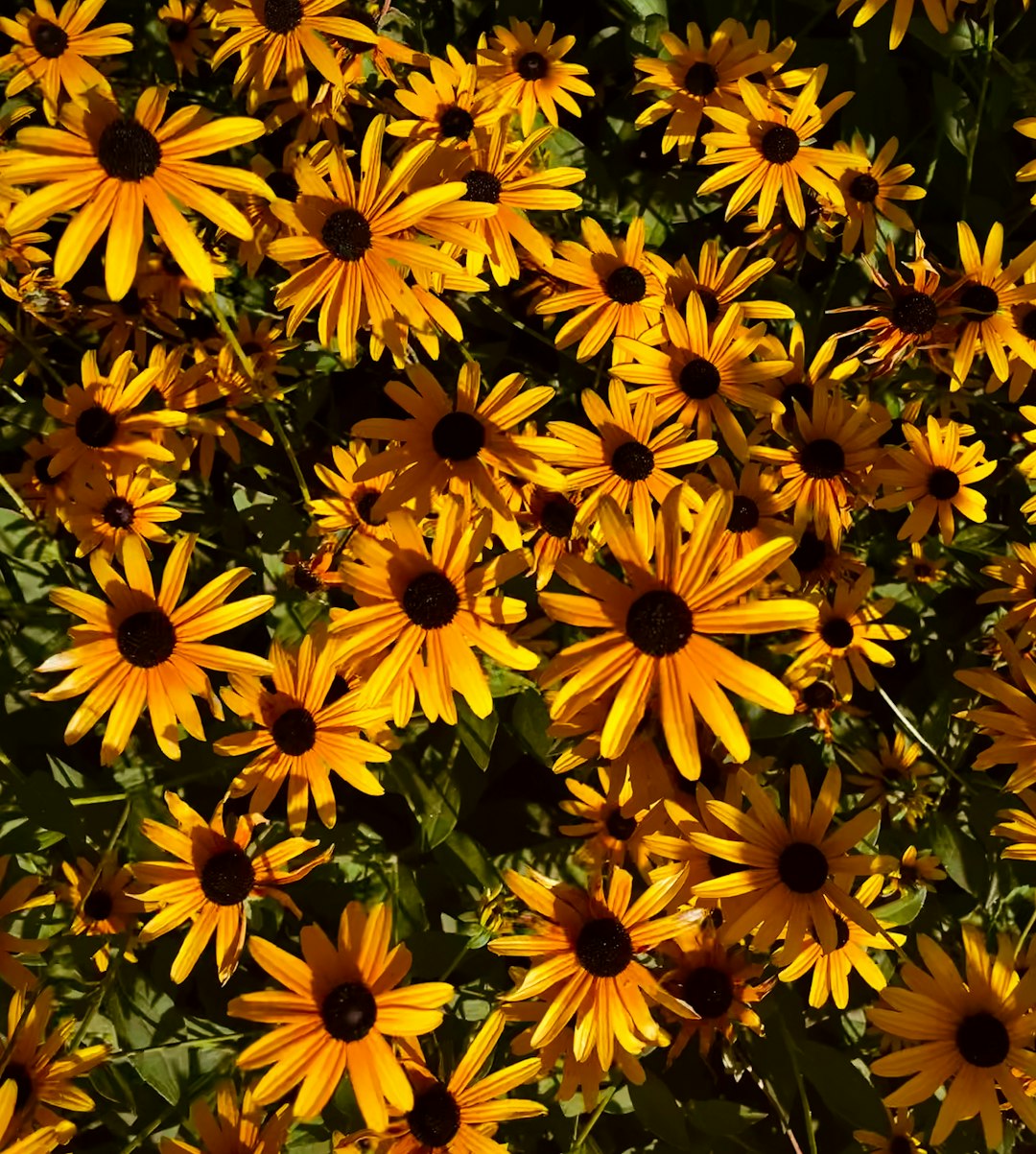
Brown-Eyed Susan
Profuse blooms of adorable, 1 1/2- 2 1/2", bright yellow flowers with small, black/brown centers. Wiry, well-branched stems have few leaves, making this an excellent cut flower. Also serves as a filler or accent flower in bouquets. This native US wildflower tolerates most conditions, including drought, once established. Short-lived perennial in Zones 3-9; typically flowers in the first year but may not bloom until second year if heavily crowded. Stems are reddish in color and have fine hairs. Leaves at the base of the plant are three-lobed, as indicated by the plant's Latin name species: triloba. Also known as brown-eyed Susan and browneyed Susan.
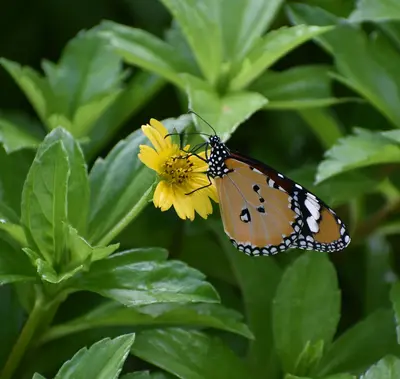
Butterfly Weed
Attracts butterflies and bees. Grows well in arid soils. Also known as milkweed, butterfly weed, butterfly milkweed, and butterfly-weed. Medicinal: Roots are a respiratory expectorant and diaphoretic. Perennial in Zones 4-9.
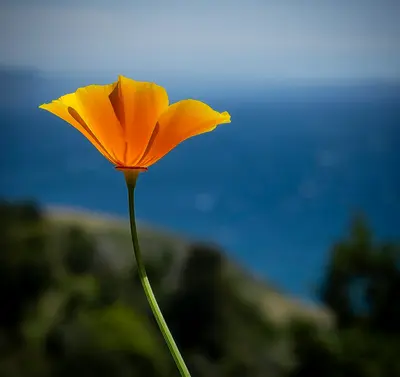
California Poppy
California Poppy is a vibrant native wildflower with silky, cup-shaped petals in golden-orange hues that close at night and on cloudy days. This easy-to-grow heirloom matures in 55-60 days and thrives in poor, sandy soils with minimal care—ideal for xeriscaping and cottage gardens. The delicate petals are edible with a mild, lettuce-like flavor, adding color and subtle taste to salads. Its self-seeding nature and drought tolerance distinguish it from ornamental annuals, making it a low-maintenance native choice for sunny landscapes with good drainage.
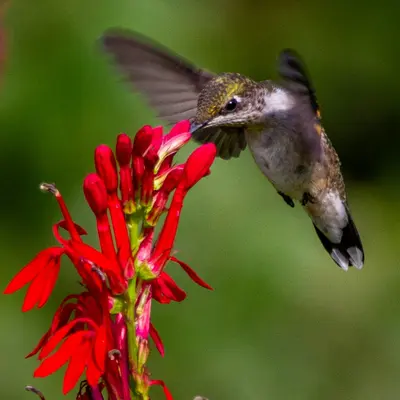
Cardinal Flower
Nature's most brilliant red wildflower creates an unforgettable display with its intense scarlet blooms that seem to glow in shade gardens. This native beauty is a hummingbird magnet, drawing ruby-throated hummingbirds from miles around with its tubular flowers perfectly designed for their long beaks. Thriving in moist soils where many plants struggle, it brings vibrant color to pond edges, rain gardens, and woodland borders.
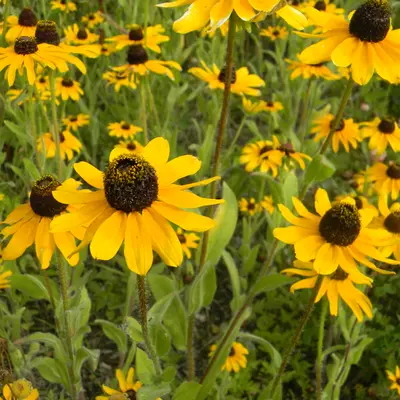
Cheyenne Spirit
Bred for improved branching and a higher percentage of 3-4" flowers per plant. The vivid red, orange, purple, scarlet, cream, yellow, and white blooms can be used as cuts or as high-impact landscaping or container plants. Attracts and is a food source for bees. Perennial in Zones 3-8. FleuroSelect Gold Award Winner. AAS Winner.
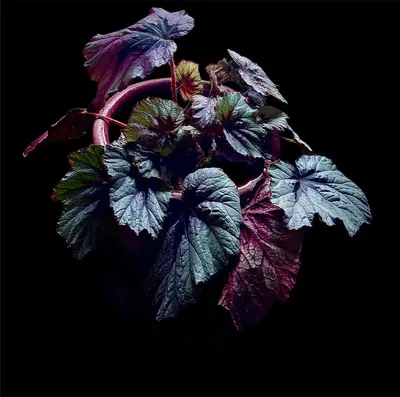
Coral Bells
Native coral bells offer delicate clouds of tiny white or pink flowers dancing above beautiful mounds of scalloped leaves that change colors with the seasons. This versatile perennial bridges the gap between wildflower and cultivated garden, equally at home in formal borders or naturalized woodland settings. Its long-lasting foliage provides four-season interest while the airy flower stems attract bees and other beneficial pollinators.
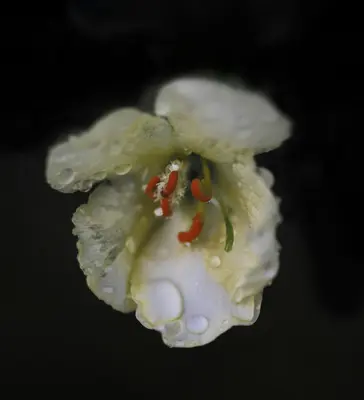
Lanceleaf Coreopsis
This cheerful native perennial produces masses of bright yellow daisy-like flowers with distinctive notched petals from spring through fall. Lanceleaf coreopsis is incredibly easy to grow and drought tolerant, making it perfect for beginner gardeners and low-maintenance landscapes. Its long blooming period and excellent cut flower qualities have made it a staple in cottage gardens and prairie restorations.
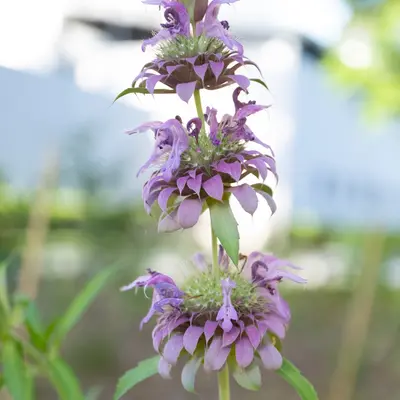
Lemon Mint
Towers of bright lavender 1 1/2-2" blooms on straight and thin, yet sturdy stems. An unusual and easy-to-use cut flower. The blooms and leaves are edible, though the leaves are intensely spicy. Native to the US. Also known as lemon bee balm, purple horsemint, and lemon mint. Edible Flowers: Add petals to salads, sprinkle over mild fish, use in fruit salads, or to garnish desserts and drinks. Flavor is minty and spicy. Leaves are used to flavor salads, cooked foods, and tea. Attracts Beneficial Insects: Nectar plant for bees, butterflies, and hummingbirds.
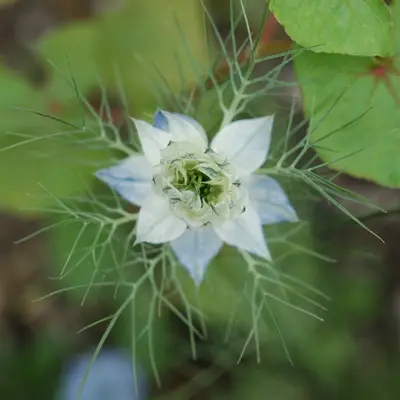
New England Aster
The crown jewel of fall-blooming wildflowers, this spectacular native transforms into clouds of tiny purple flowers just when most gardens are winding down. Essential for monarch butterfly migration and beloved by over 100 native bee species, it provides crucial late-season nectar when little else is blooming. The impressive 3-6 foot tall plants create dramatic backdrops and naturalize beautifully in wildflower meadows.
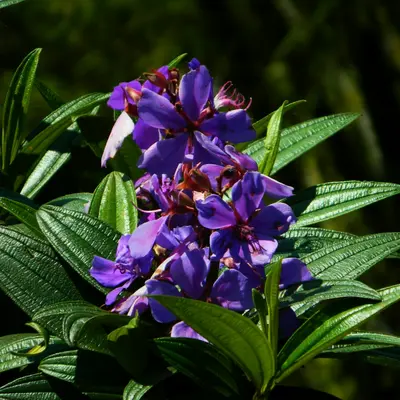
Paradiso Tall Mix
3-4" wide blooms in shades of magenta, cream, yellow, white, and orange can be used as casual cut-flowers, high-impact landscaping, or for perennial beds. Compared to Cheyenne Spirit, Paradiso Tall Mix has taller plants and a wider color range, including some softer hues such as white and cream. Attracts and is a food source for bees and other pollinators. Perennial in Zones 3-8.
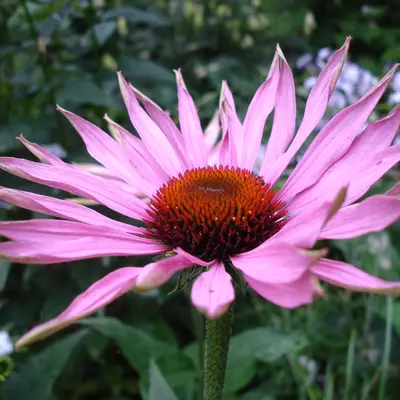
Purple Coneflower
Easy-to-grow echinacea. Vigorous plants with large, purple-petaled flowers. Fibrous roots are easy to harvest (other species have taproots). Attracts and is a food source for bees. Also known as purple coneflower and eastern purple coneflower. Normally grown for 3-4 years for harvest of sizeable roots. Perennial in Zones 3-10.
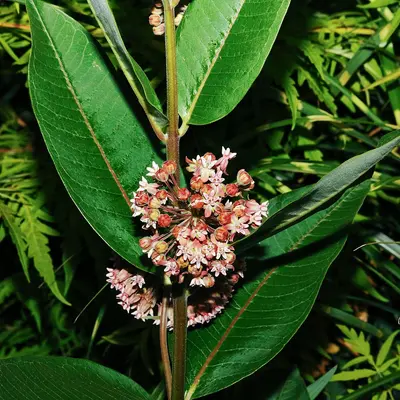
Swamp Milkweed
Blooms summer through frost. Clusters of rose to mauve florets on sturdy stems. In our trials the species is nearly identical to the variety Soulmate. Attractive lance-shaped leaves. Use for cut flowers and garden beds. Attracts butterflies and hummingbirds. Larval host for monarch butterflies. Native to North America. Also known as pink milkweed and rose milkweed. Perennial in Zones 3-8.
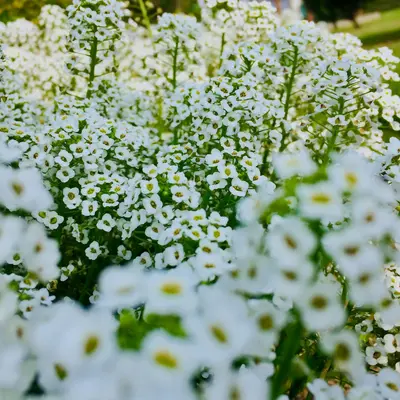
Sweet Alyssum
Sweet Alyssum is a delicate, low-growing annual wildflower featuring clusters of tiny, fragrant flowers in white, pink, or purple. Reaching just 3-9 inches tall, it matures in 50-60 days and spreads gracefully across borders and containers. This heirloom variety thrives in full sun to partial shade and tolerates poor, well-drained soil exceptionally well, making it ideal for challenging garden spots. While not typically eaten, Sweet Alyssum's defining characteristic is its intensely sweet, honey-like fragrance that attracts pollinators and fills gardens with subtle fragrance. Its vigorous self-seeding habit ensures prolific blooms throughout the season.
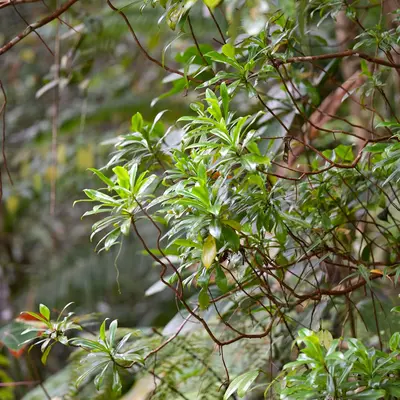
Wild Bergamot
A fragrant native wildflower that attracts butterflies, bees, and hummingbirds with its clusters of tubular lavender-pink blooms. This hardy perennial spreads naturally to form beautiful colonies and has been used traditionally for tea and medicinal purposes. Its minty fragrance and long blooming period make it a favorite for pollinator gardens and prairie restorations.
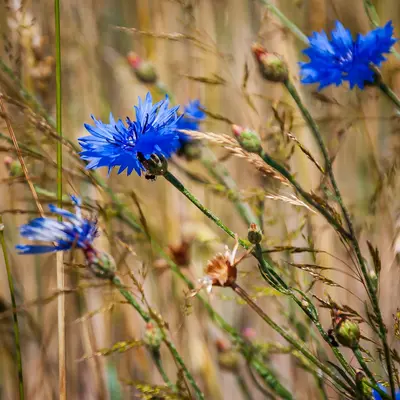
Wild Blue Indigo
A stunning prairie native that produces dramatic spikes of deep blue lupine-like flowers in late spring, followed by attractive seed pods that rattle in the wind. This long-lived perennial forms impressive clumps over time and is virtually maintenance-free once established, making it a cornerstone plant for naturalized gardens.
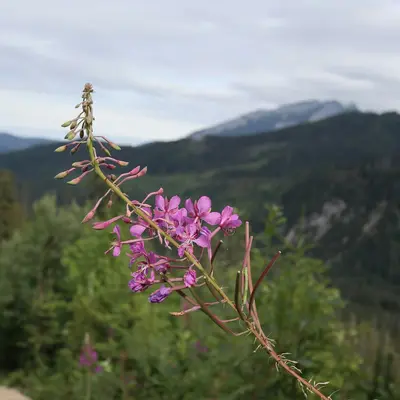
Wild Columbine
This delicate woodland native produces unique red and yellow flowers with distinctive spurs that nod gracefully above blue-green compound foliage. Wild columbine is a hummingbird magnet and thrives in partial shade where many wildflowers struggle. Its ability to self-seed in rocky crevices and woodland edges makes it perfect for naturalizing in shade gardens.
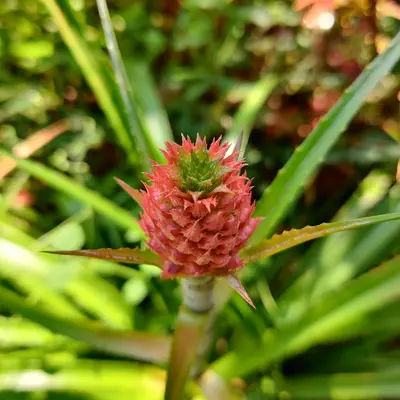
Wild Ginger
A charming woodland groundcover with heart-shaped leaves that forms lush carpets in shaded gardens. This native wildflower produces curious burgundy bell-shaped flowers hidden beneath the foliage in spring, pollinated by ground-dwelling beetles and ants. Its aromatic rhizomes were historically used as a ginger substitute by early settlers.
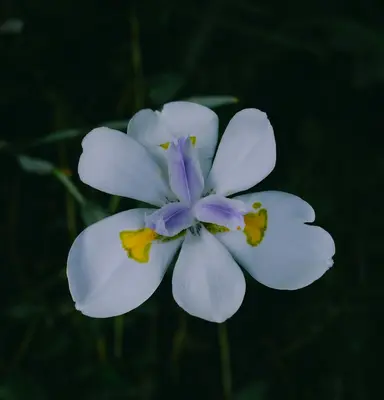
Wild Lupine
This stunning native perennial produces tall spikes of blue-purple pea-like flowers above distinctive palmate leaves. Wild lupine is the sole host plant for the endangered Karner blue butterfly and an important nitrogen-fixer that improves soil health. Its deep taproot makes it extremely drought tolerant once established, perfect for naturalizing in sandy soils.
Why These Native Wildflowers Work for Heirloom
Heirloom varieties are open-pollinated cultivars passed down for generations — prized for complex flavor, storied history, and seed-saving potential. These varieties let you save seeds and grow the same crop next year.