Zone 7 Coverage
Planting Timeline — All Varieties
Growing Ground Covers in Zone 7
Zone 7 gardeners hit the sweet spot for ground cover diversity, with a generous 210-day growing season that supports everything from delicate woodland varieties to tough Mediterranean herbs. The moderate climate means you can grow both cool-season favorites like Sweet Woodruff and heat-lovers like Sedum 'Dragon's Blood' in the same garden. However, Zone 7's transitional nature brings unique challenges – sudden temperature swings in late winter can damage tender new growth, and the relatively long, hot summers can stress shallow-rooted ground covers if you don't choose wisely.
The key to success in Zone 7 is selecting varieties that can handle both the occasional bitter cold snap and the summer heat waves that are becoming increasingly common. Look for ground covers with proven drought tolerance once established, good cold hardiness, and the ability to bounce back from weather extremes. Dense, spreading varieties work particularly well here since they can establish quickly during the long growing season and form protective mats that help moderate soil temperature swings.
Variety Comparison
| Variety ↑ | Days | Difficulty |
|---|---|---|
| Ajuga | — | Easy |
| Barrenwort | — | Easy |
| Bugleweed | — | Easy |
| Creeping Jenny | — | Very easy |
| Creeping Juniper | — | Easy |
| Creeping Phlox | — | Easy |
| Creeping Thyme | 90-95 | Easy |
| Heuchera (Coral Bells) | — | Easy |
| Hosta | — | Easy |
| Irish Moss | — | Easy |
| Ivy (English Ivy) | — | Very easy |
| Japanese Painted Fern | — | Easy to moderate |
| Japanese Spurge | — | Easy to moderate |
| Lamb's Ear | — | Easy |
| Liriope (Lilyturf) | — | Very easy |
| Mondo Grass | — | Easy |
| Moss Phlox | — | Easy |
| Pachysandra | — | Easy |
| Sedum 'Dragon's Blood' | — | Very easy |
| Spotted Deadnettle | — | Easy |
| Sweet Woodruff | 60-75 | Easy |
| Vinca Minor | — | Easy |
| Wild Strawberry | 60-90 | Easy |
| Wintercreeper Euonymus | — | Easy |
Variety Details
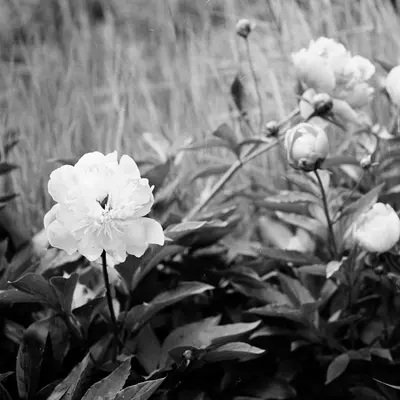
Ajuga
Known as bugleweed, this fast-spreading perennial creates stunning foliage carpets in bronze, purple, or variegated patterns topped with spikes of blue flowers in late spring. This European native thrives in shade and quickly fills in bare spots with its colorful rosettes of leaves. The dramatic flower spikes attract bees and butterflies, making it both beautiful and beneficial for pollinators.
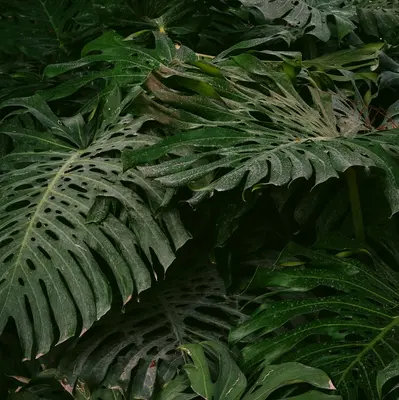
Barrenwort
An elegant woodland ground cover prized for its heart-shaped leaves that emerge bronze, turn green in summer, and develop beautiful fall colors. Delicate sprays of yellow and red flowers dance above the foliage in spring, creating an enchanting display in shade gardens. Extremely long-lived and deer resistant.
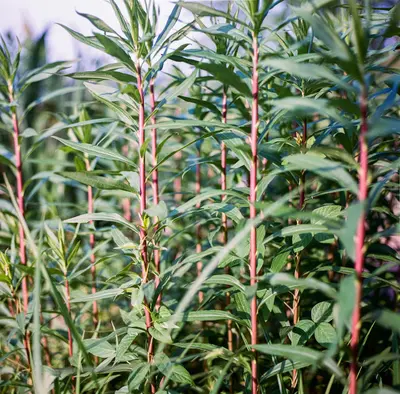
Bugleweed
A fast-spreading evergreen ground cover that forms dense mats of glossy leaves topped with stunning spikes of blue-purple flowers in spring. Perfect for suppressing weeds in shady areas while providing reliable year-round coverage with seasonal color bursts. Extremely hardy and low-maintenance once established.
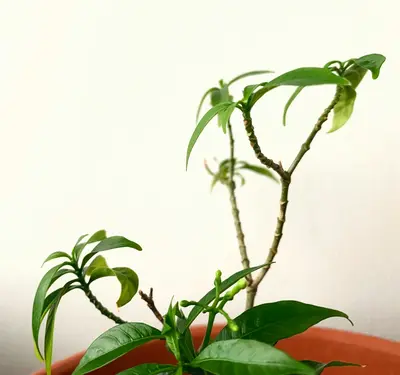
Creeping Jenny
A vigorous, fast-spreading perennial with bright chartreuse round leaves that cascade beautifully over walls and fill in large areas quickly. Golden yellow cup-shaped flowers appear in summer, adding bright color to this already eye-catching foliage plant. Though aggressive, it's perfect for problem areas where other plants struggle and creates stunning contrast in shade gardens.
Creeping Juniper
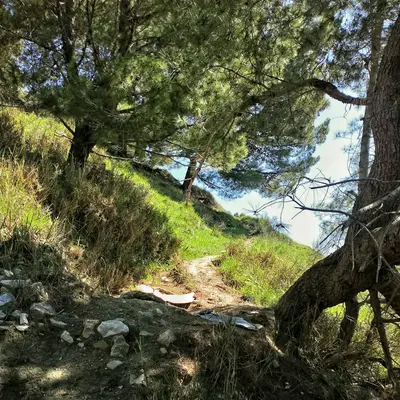
A hardy, low-maintenance evergreen ground cover that forms dense, spreading mats perfect for slopes and difficult areas. This native North American plant offers year-round color with needle-like foliage that ranges from blue-green to purplish in winter. Extremely drought tolerant once established, making it ideal for xeriscaping and low-water gardens.
Creeping Phlox
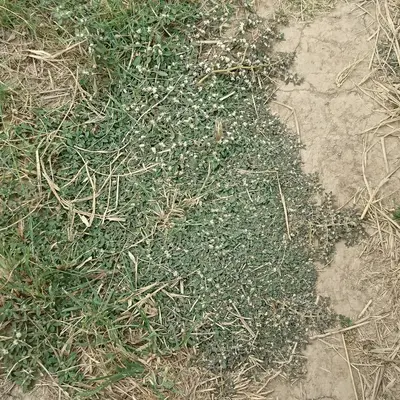
A spectacular spring bloomer that transforms landscapes into carpets of vibrant color. This hardy perennial forms dense mats of needle-like evergreen foliage topped with masses of five-petaled flowers in pink, purple, white, or red. Perfect for rock gardens, slopes, and anywhere you need reliable, low-maintenance color that returns year after year.
Creeping Thyme
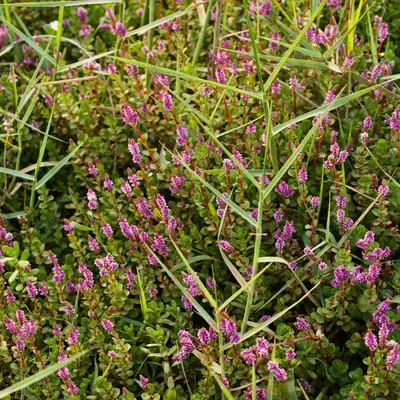
Creeping Thyme is a low-growing ground cover herb that forms dense, spreading mats ideal for rock gardens, pathways, and borders. This heirloom variety matures in 90-95 days and reaches just 6-12 inches tall with delicate, fine-textured foliage. Unlike culinary thyme varieties, it offers a milder, more subtle thyme flavor, making it better suited for ornamental use and gentle seasoning. Hardy and drought-tolerant, it thrives in full sun with well-drained, sandy or rocky soils, even tolerating poor soil conditions. Its prostrate growth habit and ease of care make it an excellent low-maintenance ground cover for gardeners of all skill levels.
Heuchera (Coral Bells)
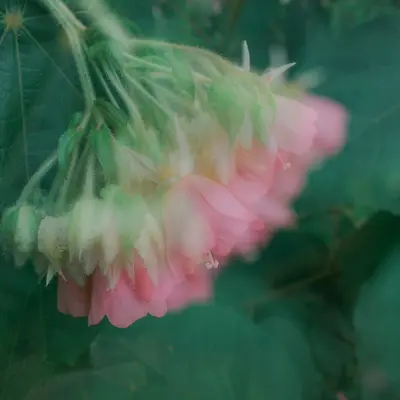
Coral bells bring year-round color to the garden with stunning foliage in shades of purple, silver, lime, and coral. These compact perennials produce delicate flower spikes that dance above colorful leaves, creating perfect ground cover for borders and containers. Modern hybrids offer incredible leaf colors that rival any flower for garden impact.
Hosta
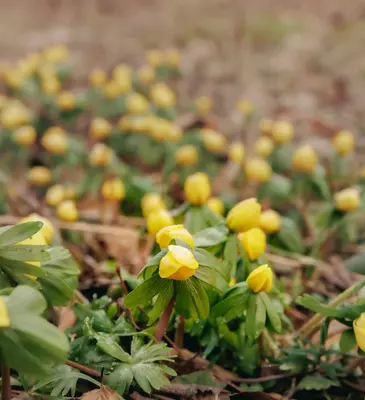
The ultimate shade garden workhorse, hostas provide lush foliage in countless colors, sizes, and patterns. From tiny miniatures to massive specimen plants, these perennials create stunning ground cover while producing fragrant spikes of white or purple flowers. Their incredible variety and reliability make them indispensable for transforming difficult shady areas into garden showcases.
Irish Moss
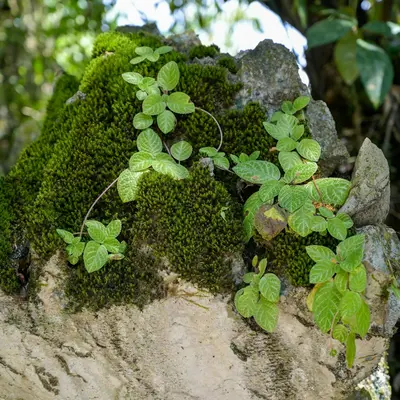
Not actually a moss but a charming perennial that forms dense, carpet-like mats of tiny bright green foliage. Perfect for filling gaps between stepping stones or creating a soft, cushioned groundcover in small spaces. In late spring, it's dotted with tiny white star-shaped flowers that add delicate beauty to this tough little plant.
Ivy (English Ivy)
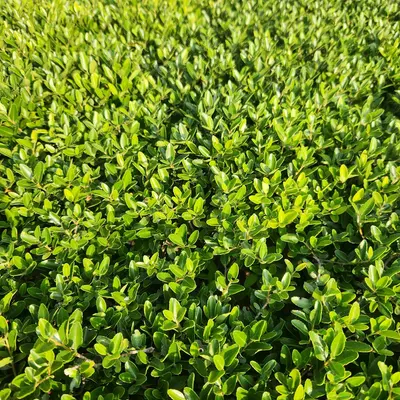
The classic evergreen vine that doubles as dense ground cover, English ivy creates a lush green carpet that thrives in deep shade where grass won't grow. Its glossy, lobed leaves provide year-round coverage, making it ideal for problem areas like steep slopes and dry shade under mature trees. This vigorous grower quickly establishes to suppress weeds and prevent erosion.
Japanese Painted Fern
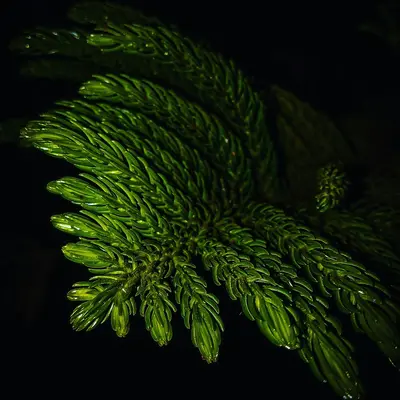
A stunning shade perennial that brings luminous color to dark corners with its silvery-gray fronds marked with purple stems and green edges. This elegant fern creates a sophisticated groundcover that brightens shaded areas like no other plant can. Its metallic sheen and architectural form make it a designer favorite for upscale landscape projects.
Japanese Spurge
Native American alternative to traditional pachysandra, featuring attractive mottled foliage and fragrant white flower clusters in early spring. This semi-evergreen spreader thrives in deep shade where grass won't grow, creating elegant natural carpets under mature trees. More heat tolerant than its Asian cousin.
Lamb's Ear
A distinctive perennial ground cover beloved for its incredibly soft, silvery-white fuzzy leaves that children and adults can't resist touching. Dense spikes of small purple flowers rise above the foliage in summer, but many gardeners prefer to remove them to keep the focus on the stunning textural foliage. This drought-tolerant beauty creates beautiful contrast against green plants and glows in moonlight gardens.
Liriope (Lilyturf)
Tough as nails and beautiful year-round, liriope forms dense clumps of grass-like foliage topped with purple or white flower spikes in late summer. This evergreen ground cover thrives in challenging conditions where other plants fail, making it perfect for slopes, under trees, and low-maintenance landscapes. Its neat, fountain-like growth habit provides structure and texture to any garden.
Mondo Grass
This elegant, low-growing evergreen creates perfect edging and ground cover with its fine, dark green grass-like foliage. Mondo grass forms dense, weed-suppressing mats that require virtually no maintenance once established, making it ideal for busy gardeners. Its neat, uniform appearance and ability to thrive in shade make it a designer favorite for contemporary landscapes.
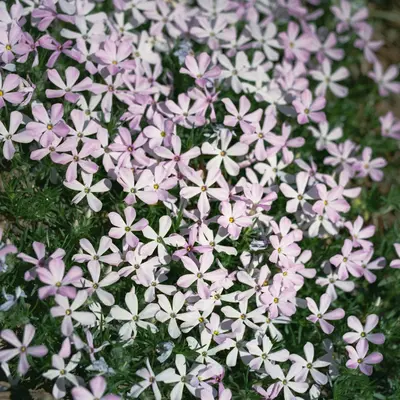
Moss Phlox
A spectacular spring-flowering ground cover that transforms slopes and rock gardens into sheets of vibrant color. This hardy perennial forms dense mats of needle-like evergreen foliage topped with masses of five-petaled flowers in shades of pink, purple, white, or blue. Extremely drought tolerant and deer resistant, making it perfect for low-maintenance landscapes.
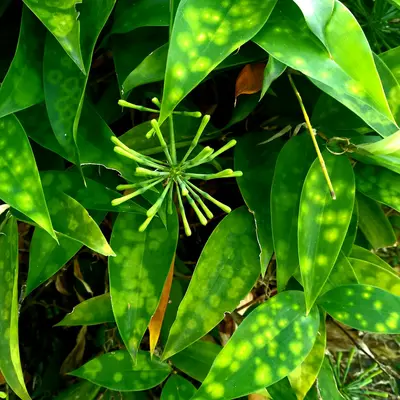
Pachysandra
The gold standard for shade ground cover, beloved by gardeners for its glossy evergreen leaves and ability to thrive where grass won't grow. This Japanese native forms dense, weed-suppressing mats under trees and in deep shade areas. Once established, it requires virtually no maintenance while providing year-round green coverage with delicate white flower spikes in spring.
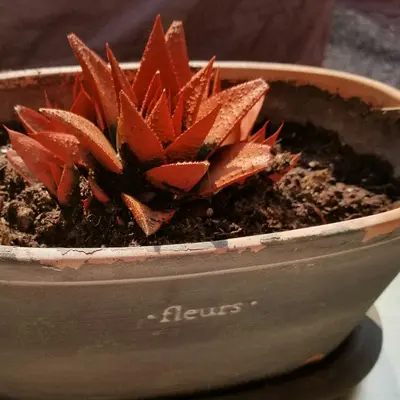
Sedum 'Dragon's Blood'
This stunning succulent ground cover lives up to its dramatic name with deep red foliage that intensifies in cool weather and bright star-shaped pink flowers in summer. Perfect for rock gardens, green roofs, and anywhere you need extremely low-maintenance coverage. This drought-tolerant spreader thrives in poor soils and challenging conditions where other plants fail, making it ideal for xeriscaping and sustainable landscapes.
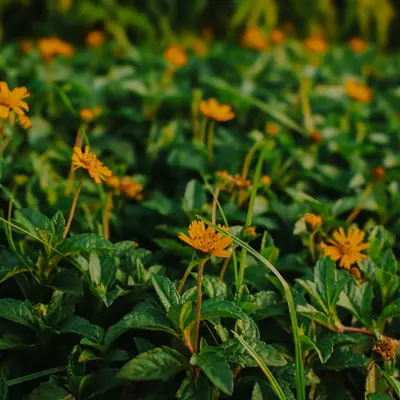
Spotted Deadnettle
An outstanding variegated ground cover with silver-splashed leaves and cheerful pink, purple, or white flowers that bloom from spring through fall. Thrives in challenging shady spots while providing bright foliage contrast and extended flowering period. Non-invasive and easy to control.
Sweet Woodruff
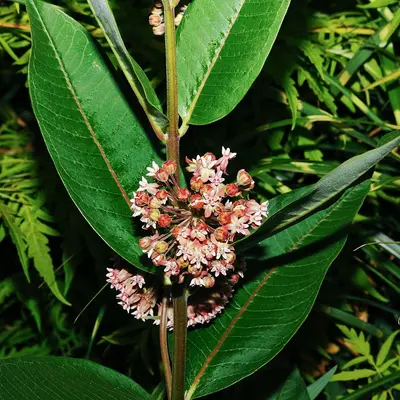
A charming woodland perennial that forms dense mats of star-shaped whorled leaves topped with delicate white flowers in late spring. When dried, the leaves release a sweet vanilla-hay fragrance that has been treasured for centuries in potpourri and traditional May wine. This well-behaved spreader is perfect for naturalizing in shade gardens and won't overwhelm neighboring plants like some ground covers.
Vinca Minor
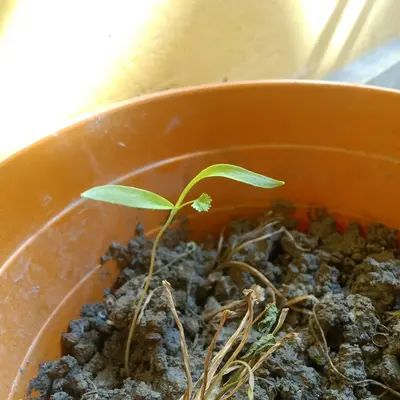
Also known as periwinkle, this European native is prized for its glossy dark green leaves and charming blue flowers that appear from spring through fall. This vigorous spreader quickly covers difficult slopes and shaded areas where other plants struggle. The trailing stems root as they grow, creating an impenetrable carpet that effectively suppresses weeds while adding elegant color to the landscape.
Wild Strawberry
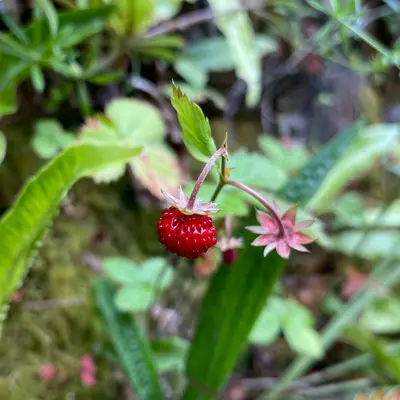
A native groundcover that offers the best of both worlds - attractive foliage, delicate white flowers, and tiny flavorful berries that wildlife and humans alike enjoy. This hardy perennial spreads by runners to form dense mats that suppress weeds while providing food for birds, butterflies, and gardeners. The leaves turn beautiful bronze-red in fall, extending the seasonal interest.
Wintercreeper Euonymus
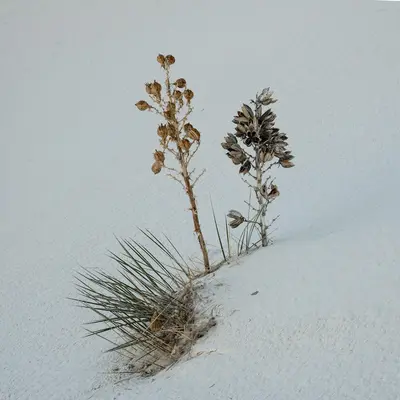
A versatile evergreen ground cover prized for its glossy, colorful foliage and ability to thrive in challenging conditions. Available in numerous cultivars with variegated green and white or green and yellow leaves that add brightness to shaded areas. This adaptable plant can also climb walls or trees when given support, making it incredibly useful in landscape design.
Zone 7 Growing Tips
Spring planting works best for most ground covers in Zone 7 – aim for 2-3 weeks after your average last frost (so mid to late April) when soil temperatures have warmed but you still have the full growing season ahead. This timing is crucial for varieties like Ajuga and Creeping Jenny that need time to establish extensive root systems before summer heat arrives. Fall planting can work for hardy varieties like Vinca Minor and Pachysandra, but get them in the ground by early September to allow 6-8 weeks of root development before first frost.
Zone 7's variable spring weather means paying attention to microclimates in your yard. South-facing slopes and areas near concrete or stone warm up faster and may experience more temperature swings, making them better suited for heat-tolerant, resilient varieties like Creeping Thyme or Sedum. Shadier north sides and low-lying areas stay cooler longer and suit woodland species like Wild Ginger and Japanese Painted Fern. During establishment, consistent moisture is critical – Zone 7's hot, often humid summers can quickly stress new plantings if you let them dry out.
Season Overview
Your April 1st average last frost and October 30th first frost create an ideal window for ground cover establishment and spread. Most varieties can be planted from mid-April through early June, with many getting a second planting window in early fall. The long growing season means aggressive spreaders like Creeping Jenny and English Ivy will cover ground quickly – sometimes too quickly – while slower varieties like Mondo Grass and Heuchera have ample time to fill in naturally. Plan your ground cover projects for April or September when temperatures are moderate and rainfall is typically more reliable than the often-dry summer months.