Creeping Thyme
Thymus serpyllum
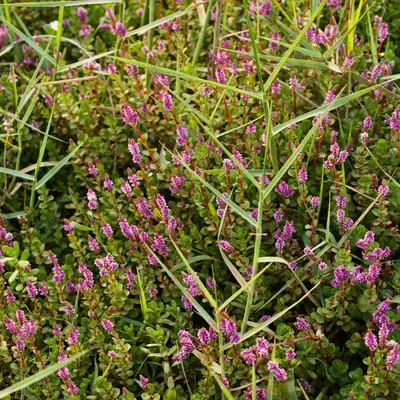
Creeping Thyme is a low-growing ground cover herb that forms dense, spreading mats ideal for rock gardens, pathways, and borders. This heirloom variety matures in 90-95 days and reaches just 6-12 inches tall with delicate, fine-textured foliage. Unlike culinary thyme varieties, it offers a milder, more subtle thyme flavor, making it better suited for ornamental use and gentle seasoning. Hardy and drought-tolerant, it thrives in full sun with well-drained, sandy or rocky soils, even tolerating poor soil conditions. Its prostrate growth habit and ease of care make it an excellent low-maintenance ground cover for gardeners of all skill levels.
Harvest
90-95d
Days to harvest
Sun
Full sun
Zones
4–9
USDA hardiness
Height
2-3 inches
Planting Timeline
Showing dates for Creeping Thyme in USDA Zone 7
All Zone 7 ground-cover →Zone Map
Click a state to update dates
Creeping Thyme · Zones 4–9
Growing Details
Complete Growing Guide
Light: Full sun (6 or more hours of direct sunlight a day). Soil: Loam (Silt), Sand, Shallow Rocky. Soil pH: Alkaline (>8.0), Neutral (6.0-8.0). Drainage: Good Drainage, Occasionally Dry, Very Dry. Height: 0 ft. 2 in. - 0 ft. 3 in.. Spread: 0 ft. 3 in. - 0 ft. 10 in.. Spacing: 12 inches-3 feet. Growth rate: Rapid. Maintenance: Low. Propagation: Seed.
Harvesting
The fruit is a schizocarp and has four locules or small separate cavities. When the fruit dries, it will split into four sections. Each section contains the seeds.
Type: Schizocarp. Length: < 1 inch. Width: < 1 inch.
Harvest time: Fall
Edibility: This plant is primarily ornamental and is rarely used in cooking.
Storage & Preservation
Fresh creeping thyme is best stored in the refrigerator in a damp paper towel or plastic bag, where it will last 1-2 weeks at 35-40°F with moderate humidity. For longer preservation, hang-dry bundles in a warm, well-ventilated area away from direct sunlight for 1-2 weeks until brittle, then store in airtight containers. Alternatively, freeze fresh sprigs in ice cube trays with water or olive oil for up to 3 months, or infuse into herbal salt by layering with sea salt in jars. Dried creeping thyme retains mild flavor well and is ideal for tea blends and culinary uses.
History & Origin
Origin: Northern Europe, Western Asia, and Northern Africa
Advantages
- +Attracts: Bees, Butterflies
- +Edible: This plant is primarily ornamental and is rarely used in cooking.
- +Fast-growing
- +Low maintenance
Companion Plants
Lavender, rosemary, oregano, and sage are the natural neighbors here — all four share creeping thyme's preference for full sun, lean soil, and infrequent water. Planting them together isn't just aesthetic convenience; none of them will outcompete thyme for moisture the way a thirstier plant would. Yarrow and sedum work for the same reason: low water demand, good drainage tolerance, and no allelopathic chemistry that bothers thyme. Chamomile draws in parasitic wasps that keep the aphid populations that occasionally show up from ever getting established. Alliums — chives, garlic, onions — pull their weight as neighbors too, with sulfur compounds that are thought to deter certain soil pests.
Black walnut is a hard no. The juglone it releases into the soil is toxic to a wide range of plants, and thyme doesn't escape it — Purdue Extension has documented sensitivity in many herbs and ground covers. Mint is a different problem: not chemistry, but flat-out aggression. In our zone 7 Georgia garden, mint runs hard from May through September and will physically crowd a low mat-former like creeping thyme out of its own space within a season. Large hostas are mostly a shade problem — their canopy is enough to thin the thyme and cut bloom production noticeably.
Plant Together
Lavender
Both Mediterranean herbs with similar water and soil requirements, repel pests together
Rosemary
Compatible drought-tolerant herbs that enhance each other's aromatic properties
Oregano
Similar growing conditions and both attract beneficial pollinators like bees
Sage
Complementary herb with matching sun and drainage needs, deters harmful insects
Sedum
Both low-growing, drought-tolerant plants that create excellent groundcover combinations
Yarrow
Attracts beneficial insects and improves soil health while tolerating similar conditions
Chamomile
Attracts beneficial insects and may enhance the essential oil production of thyme
Alliums
Natural pest deterrent that complements thyme's insect-repelling properties
Keep Apart
Black Walnut
Produces juglone which is toxic to many plants including thyme
Mint
Aggressive spreader that can outcompete and overwhelm low-growing thyme
Large Hosta
Creates too much shade and competes for space with low-growing thyme
Pests & Disease Resistance
Resistance
Excellent disease resistance, very hardy
Common Pests
Aphids (rare), spider mites in hot weather
Diseases
Root rot in poorly drained soils
Troubleshooting Creeping Thyme
What you'll see, why it happens, and what to do about it.
Stems rotting at the base, plants collapsing in patches — often after a wet stretch
Likely Causes
- Root rot (Pythium or Phytophthora spp.) from waterlogged or poorly drained soil
- Planting in heavy clay without amendment or raised grade
What to Do
- 1.Pull the dead patches out entirely — they won't recover, and leaving them spreads the problem
- 2.Improve drainage before replanting: work in coarse sand or fine gravel to a depth of 4-6 inches, or build up the bed grade by 2-3 inches
- 3.Don't irrigate established creeping thyme unless you've had less than 1 inch of rain over 3+ weeks — it prefers dry over wet, full stop
Fine webbing on stems and foliage, leaves stippled gray-silver and dropping, usually in July or August
Likely Causes
- Spider mites (Tetranychus urticae) — thrive when temps stay above 90°F and humidity dips
What to Do
- 1.Blast the affected stems with a firm stream of water — mites don't reattach well once knocked off
- 2.If the infestation is heavy, spray with insecticidal soap (diluted per label) in the early morning before the sun hits; repeat every 5-7 days for 2-3 applications
- 3.Shear the whole mat back by about one-third after the flush passes — this also refreshes leggy growth
Thin, pale, stretched growth with few flowers and sparse coverage, even in an established planting
Likely Causes
- Too much shade — creeping thyme needs 6+ hours of direct sun to grow densely
- Soil that is too rich or over-fertilized (high nitrogen pushes soft, floppy growth)
What to Do
- 1.Relocate to a sunnier spot, or remove whatever is casting shade — even partial-day competition from a nearby shrub matters at 2-3 inches of plant height
- 2.Stop fertilizing; creeping thyme performs best in lean, low-fertility soil with a pH between 6.0 and 8.0
- 3.Shear back the stretched stems by half to encourage tighter, bushier regrowth
Frequently Asked Questions
How long does fresh creeping thyme last in the fridge?▼
Is creeping thyme good for beginners?▼
Can you grow creeping thyme in containers?▼
What does creeping thyme taste like?▼
When should I plant creeping thyme?▼
How does creeping thyme compare to regular culinary thyme?▼
Zone-by-Zone Planting Calendar
Growing Guides from Wind River Greens
Sources & References
External authority sources used in compiling this guide.
- ExtensionNC State Extension
See the Methodology page for how this data is sourced, what's AI-assisted, and known limitations.