Zone 10 Coverage
Planting Timeline — All Varieties
Growing Ground Covers in Zone 10
Zone 10 presents unique opportunities and challenges for ground cover gardening that many northern gardeners can only dream of. With an exceptionally long growing season of approximately 320 days and minimal frost risk, you have the luxury of maintaining lush, green ground covers year-round. However, this tropical and subtropical climate also means dealing with intense heat, high humidity, and potential drought conditions that can stress many traditional ground cover varieties.
The key to success in Zone 10 is selecting ground covers that can handle both the blessing and curse of perpetual warmth. Look for varieties that offer excellent heat tolerance, can manage moisture extremes from heavy rains to dry spells, and won't become overly aggressive in the extended growing season. Many cool-season ground covers that thrive in northern zones will struggle with your summer intensity, while others will spread more vigorously than expected.
The varieties I've selected for Zone 10 include both tropical-adapted classics like Liriope and Mondo Grass, which practically thrive on neglect in your climate, and surprisingly resilient temperate plants like Creeping Thyme and certain Sedums that adapt well to your conditions with proper placement and care. These choices will give you reliable coverage, manageable growth habits, and the ability to create beautiful, low-maintenance landscapes that work with your climate rather than against it.
Variety Comparison
| Variety ↑ | Days | Difficulty |
|---|---|---|
| Ajuga | — | Easy |
| Bugleweed | — | Easy |
| Ivy (English Ivy) | — | Very easy |
| Liriope (Lilyturf) | — | Very easy |
| Mondo Grass | — | Easy |
Variety Details
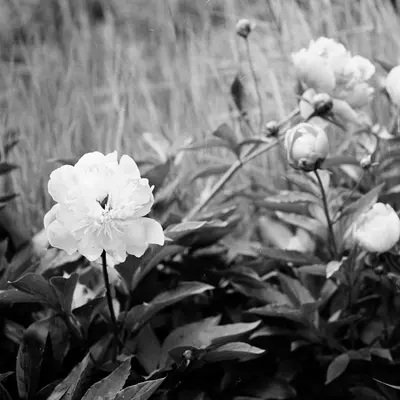
Ajuga
Known as bugleweed, this fast-spreading perennial creates stunning foliage carpets in bronze, purple, or variegated patterns topped with spikes of blue flowers in late spring. This European native thrives in shade and quickly fills in bare spots with its colorful rosettes of leaves. The dramatic flower spikes attract bees and butterflies, making it both beautiful and beneficial for pollinators.
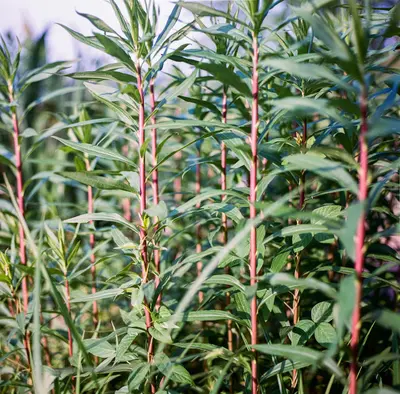
Bugleweed
A fast-spreading evergreen ground cover that forms dense mats of glossy leaves topped with stunning spikes of blue-purple flowers in spring. Perfect for suppressing weeds in shady areas while providing reliable year-round coverage with seasonal color bursts. Extremely hardy and low-maintenance once established.
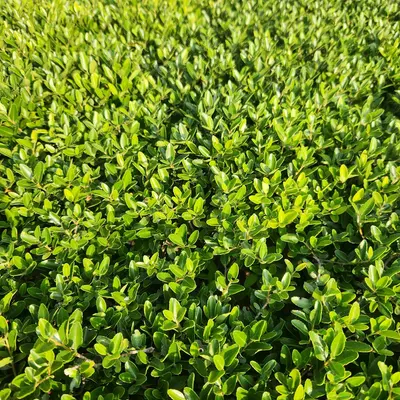
Ivy (English Ivy)
The classic evergreen vine that doubles as dense ground cover, English ivy creates a lush green carpet that thrives in deep shade where grass won't grow. Its glossy, lobed leaves provide year-round coverage, making it ideal for problem areas like steep slopes and dry shade under mature trees. This vigorous grower quickly establishes to suppress weeds and prevent erosion.

Liriope (Lilyturf)
Tough as nails and beautiful year-round, liriope forms dense clumps of grass-like foliage topped with purple or white flower spikes in late summer. This evergreen ground cover thrives in challenging conditions where other plants fail, making it perfect for slopes, under trees, and low-maintenance landscapes. Its neat, fountain-like growth habit provides structure and texture to any garden.
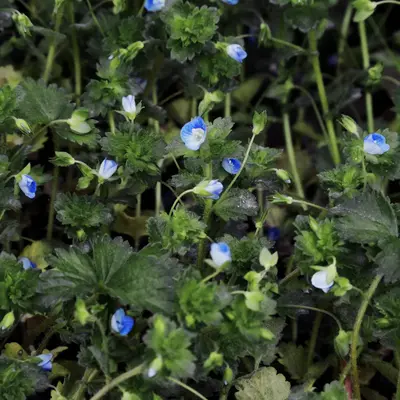
Mondo Grass
This elegant, low-growing evergreen creates perfect edging and ground cover with its fine, dark green grass-like foliage. Mondo grass forms dense, weed-suppressing mats that require virtually no maintenance once established, making it ideal for busy gardeners. Its neat, uniform appearance and ability to thrive in shade make it a designer favorite for contemporary landscapes.
Zone 10 Growing Tips
In Zone 10, your planting windows are much more flexible than in colder zones, but timing still matters for establishment success. Plant most ground covers during your cooler months – October through February – when they can establish root systems without immediately facing summer stress. The period right after your average first frost date in mid-December through early spring is particularly ideal, as soil remains workable and temperatures are more moderate.
Take advantage of your minimal frost risk by transplanting established plants almost any time except during peak summer heat (June through August). However, newly planted ground covers will need consistent moisture during establishment, which can be challenging during your intense summer months. If you must plant in summer, focus on the most heat-tolerant varieties like Liriope, Mondo Grass, and Creeping Juniper, and provide afternoon shade and regular irrigation.
Your biggest challenge won't be frost protection but managing rapid growth and preventing aggressive spreaders from taking over. Many ground covers that grow slowly in northern climates can become invasive in your year-round growing conditions. Install root barriers for vigorous spreaders like Creeping Jenny and English Ivy, and plan for more frequent division and maintenance. Also, prepare for fungal issues during humid summer months by ensuring good air circulation and avoiding overhead watering when possible.
Season Overview
Your growing season essentially runs from late January through mid-December, with only brief periods of potential frost risk. The average last frost on January 31st means you can start outdoor activities much earlier than most gardeners, while the December 15th first frost date gives you nearly eleven months of active growth. This extended season means ground covers that might struggle to establish in shorter seasons will have ample time to fill in, but it also means you'll need to stay on top of maintenance and potential overgrowth throughout most of the year.