Best Native Wildflowers to Grow in California
California spans USDA Zones 5–11, typically Zone 9. We've broken out 90 native wildflower varieties by zone — pick your zone below or find the right varieties for your specific part of the state.
Varieties
90
for California
USDA
Zones 5–11
155–365 days season
Beginner
81
easy to grow
Heirloom
21
heritage varieties
California in USDA Zones 5–11
California spans Zones 5–11. Variety lists below are organized by zone — start with your zone for the most accurate recommendations.
Growing Native Wildflowers in California
Zone 9's extended growing season and mild winters create exceptional opportunities for native wildflower gardening, but the intense summer heat and occasional late cold snaps require careful variety selection. With nearly 290 frost-free days stretching from mid-February through late November, you have the luxury of multiple planting windows and can enjoy blooms from early spring through late fall. However, the brutal summer months demand wildflowers that can handle extreme heat, humidity, and potential drought conditions without losing their vigor.
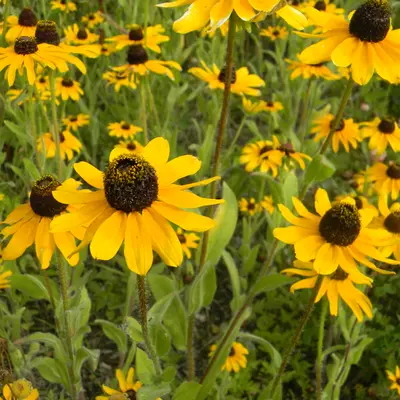
The key to success in Zone 9 lies in choosing native varieties that either thrive in heat or complete their bloom cycles before the harshest summer weather arrives. Look for wildflowers with deep taproots like Purple Coneflower and Lanceleaf Coreopsis that can access moisture during dry spells, or heat-loving natives like Blanket Flower and Black-Eyed Susan that actually perform better in warm climates. Many Zone 9 gardeners also benefit from selecting a mix of cool-season bloomers like Wild Columbine for spring color and heat-tolerant perennials that provide late summer and fall interest when other plants are struggling.
Zone 9 Native Wildflowers for California★ Most of CA
44 varieties · Last frost February 15 · 290-day season
Zone 8 Native Wildflowers for California
85 varieties · Last frost March 15 · 240-day season
Zone 10 Native Wildflowers for California
10 varieties · Last frost January 31 · 320-day season
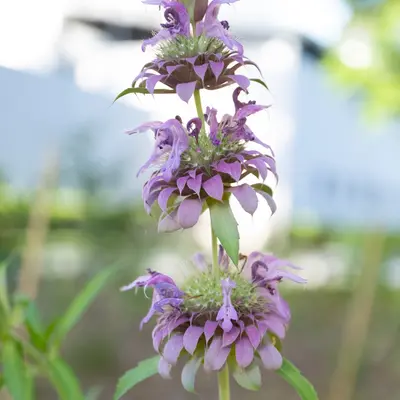
Zone 7 Native Wildflowers for California
87 varieties · Last frost April 1 · 210-day season
Zone 11 Native Wildflowers for California
4 varieties · Year-round growing
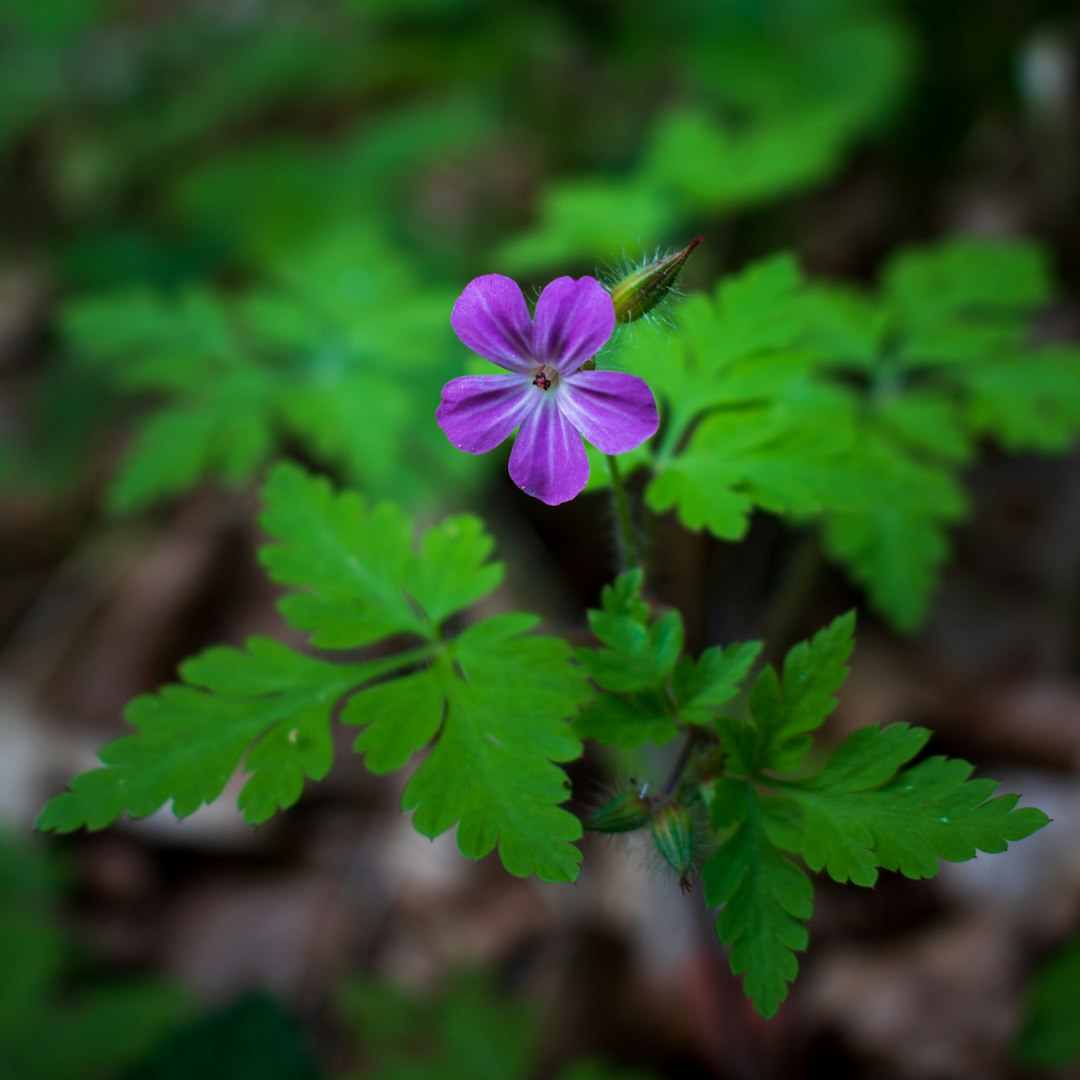
Zone 6 Native Wildflowers for California
88 varieties · Last frost April 15 · 180-day season
Zone 5 Native Wildflowers for California
87 varieties · Last frost April 30 · 155-day season
Zone 9 Growing Tips for California
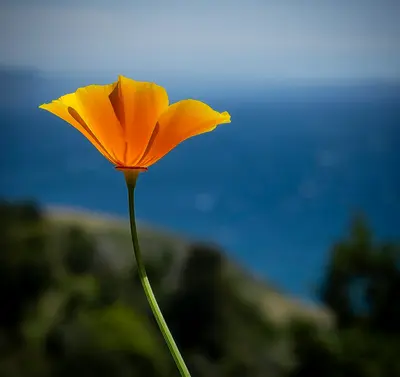
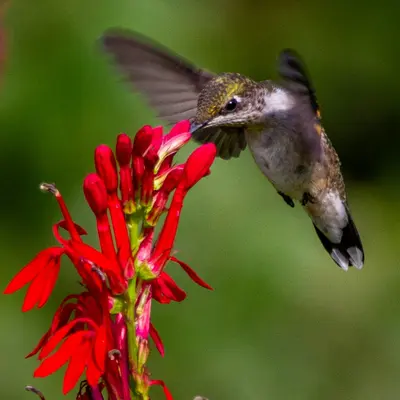
Take advantage of Zone 9's mild winters by direct-seeding cool-season wildflowers like Sweet Alyssum and California Poppy in late fall or early winter – they'll germinate with the first warm days in February and bloom before summer heat arrives. For heat-sensitive varieties like Wild Ginger and Cardinal Flower, start seeds indoors in January and transplant by early March, giving them time to establish strong root systems before facing summer stress. Your last frost around February 15th marks the beginning of prime planting season for most perennial wildflowers.
Summer heat management is crucial for Zone 9 success. Plant heat-tolerant varieties like Butterfly Weed, Bee Balm, and Prairie Blazingstar in locations with morning sun and afternoon shade, and always mulch heavily to conserve soil moisture. Many experienced Zone 9 gardeners find success with a second planting window in late August through September, when temperatures moderate but soil remains warm enough for good germination. This timing works especially well for fall bloomers like New England Aster and allows spring bloomers to establish before winter.