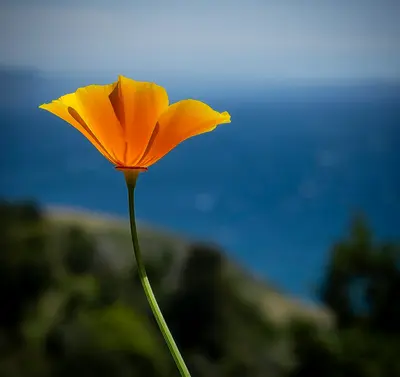
Best Native Wildflowers to Grow in Alaska

Alaska sits in USDA Hardiness Zone 3. These 14 native wildflower varieties are suited to Alaska's 120-day growing season with last frost around May 15 and first frost around September 15.

Varieties

14

for Alaska

🌱

USDA Zone

3

120-day season

πŸ—ΊοΈ

Beginner

9

easy to grow

πŸ‘

Heirloom

8

heritage varieties

πŸ›οΈ

Alaska in USDA Zone 3

Alaska is primarily in Zone 3. Varieties that thrive in this zone will typically grow well across the state, though local microclimates vary.

When to Plant Native Wildflowers in Alaska

Indoor Transplant Direct Sow Harvest

Growing Native Wildflowers in Alaska

Zone 3 presents both unique opportunities and challenges for native wildflower enthusiasts. With winter lows reaching -30Β°F to -40Β°F, this harsh climate naturally selects for incredibly resilient plants that have adapted to survive dramatic temperature swings and short growing seasons. The good news is that many of our most spectacular native wildflowers are perfectly suited to these conditions, having evolved in similar climates across northern prairies, boreal regions, and high-elevation areas.

When selecting wildflowers for Zone 3, prioritize varieties with proven cold hardiness and the ability to complete their life cycles within a compressed timeframe. Look for species that can handle late spring frosts and early fall freezes, as your 120-day growing season leaves little room for tender plants. The varieties I've selected here are not just survivorsβ€”they're thrivers that will reward your patience with stunning blooms, wildlife value, and the satisfaction of working with plants perfectly matched to your climate.

These native wildflowers offer another crucial advantage: they're adapted to work with Zone 3's natural rhythms rather than against them. Many are early bloomers that take advantage of cool spring weather, while others peak in late summer when heat-loving annuals start to fade. This natural succession means you can have continuous color and wildlife habitat throughout your entire growing season.

Variety Comparison

Variety ↑DaysDifficulty
Black-Eyed Susan100-120Very easy
Blanket FlowerNot applicableEasy
Butterfly Weed365Easy
Cardinal FlowerN/AEasy
Partridge Peaβ€”Easy
Prairie BlazingstarNot applicableEasy
Purple Coneflower300-365Easy
Wild BergamotN/AEasy
Wild Blue Indigoβ€”Easy
Wild Blue Lupineβ€”Moderate
Wild Blue Phloxβ€”Easy to moderate
Wild ColumbineN/AModerate
Wild IndigoNot applicableEasy
Wild LupineN/AModerate

Variety Details

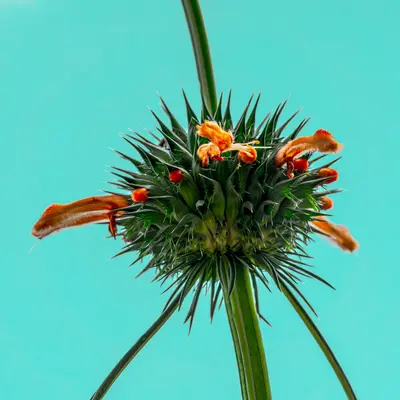
Close-up of a spiky green plant with orange flowers.

Black-Eyed Susan

100-120dVery easyHeirloomContainer

Compact plants are outstanding in the garden or in large containers. Combine Cherry Brandy's 3-4" flowers with rudbeckia of other colors, or do a dramatic mass planting for red blooms all summer. Also known as blackeyed Susan and gloriosa daisy. Tender perennial in Zones 9-10.

A yellow and red flower with a green background

Blanket Flower

Not applicabledEasyContainer

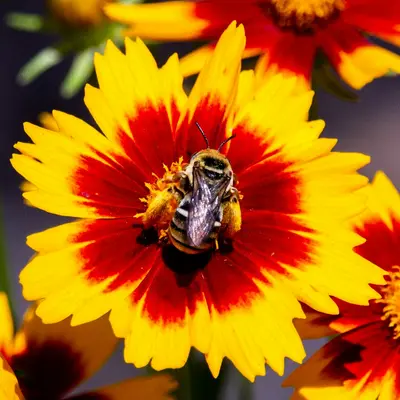
A cheerful and resilient native wildflower that blooms from early summer until frost with vibrant daisy-like flowers in shades of red, orange, and yellow. Perfect for xeriscaping and low-maintenance gardens, this drought-tolerant perennial attracts butterflies and beneficial insects while requiring minimal care once established.

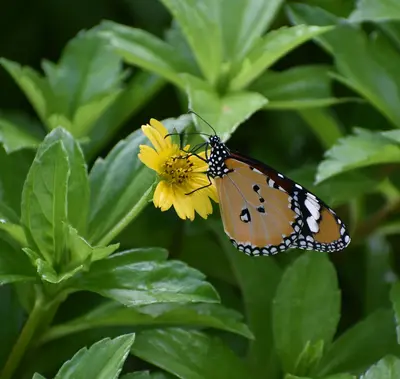
a close up of a butterfly on a flower

Butterfly Weed

365dEasyHeirloomContainer

Attracts butterflies and bees. Grows well in arid soils. Also known as milkweed, butterfly weed, butterfly milkweed, and butterfly-weed. Medicinal: Roots are a respiratory expectorant and diaphoretic. Perennial in Zones 4-9.

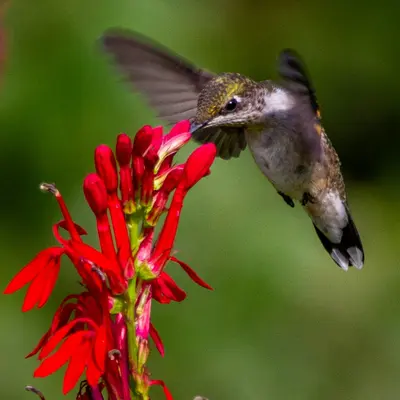
brown humming bird flying near red flowers

Cardinal Flower

N/AdEasyHeirloomContainer

Nature's most brilliant red wildflower creates an unforgettable display with its intense scarlet blooms that seem to glow in shade gardens. This native beauty is a hummingbird magnet, drawing ruby-throated hummingbirds from miles around with its tubular flowers perfectly designed for their long beaks. Thriving in moist soils where many plants struggle, it brings vibrant color to pond edges, rain gardens, and woodland borders.

a purple flower is in the middle of a field

Partridge Pea

EasyContainer

A delightful annual legume that produces bright yellow flowers with distinctive red-spotted petals throughout summer and fall. This native prairie plant fixes nitrogen in the soil while attracting beneficial insects and providing seeds for quail and other wildlife. The sensitive compound leaves fold when touched, adding an interactive element that children love.

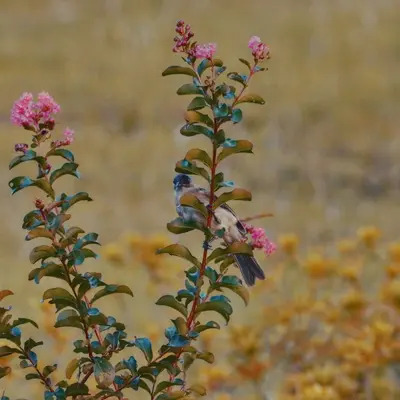
a small bird sitting on top of a pink flower

Prairie Blazingstar

Not applicabledEasy

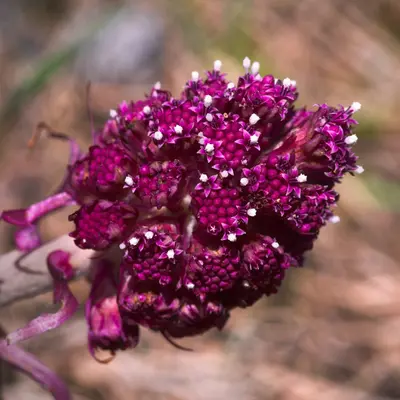
A tall, dramatic native perennial that sends up striking purple flower spikes that bloom from top to bottom in late summer, creating a unique spectacle in prairie gardens. This pollinator magnet is essential for monarch butterfly migration and adds stunning vertical interest to any native plant garden.

A bunch of purple flowers with green leaves

Purple Coneflower

300-365dEasyHeirloomContainer

Easy-to-grow echinacea. Vigorous plants with large, purple-petaled flowers. Fibrous roots are easy to harvest (other species have taproots). Attracts and is a food source for bees. Also known as purple coneflower and eastern purple coneflower. Normally grown for 3-4 years for harvest of sizeable roots. Perennial in Zones 3-10.

Lush green foliage fills the image.

Wild Bergamot

N/AdEasyHeirloomContainer

A fragrant native wildflower that attracts butterflies, bees, and hummingbirds with its clusters of tubular lavender-pink blooms. This hardy perennial spreads naturally to form beautiful colonies and has been used traditionally for tea and medicinal purposes. Its minty fragrance and long blooming period make it a favorite for pollinator gardens and prairie restorations.

a close up of flowers

Wild Blue Indigo

EasyHeirloom

A stunning prairie native that produces dramatic spikes of deep blue lupine-like flowers in late spring, followed by attractive seed pods that rattle in the wind. This long-lived perennial forms impressive clumps over time and is virtually maintenance-free once established, making it a cornerstone plant for naturalized gardens.

a purple flower with yellow stamen on a green plant

Wild Blue Lupine

Moderate

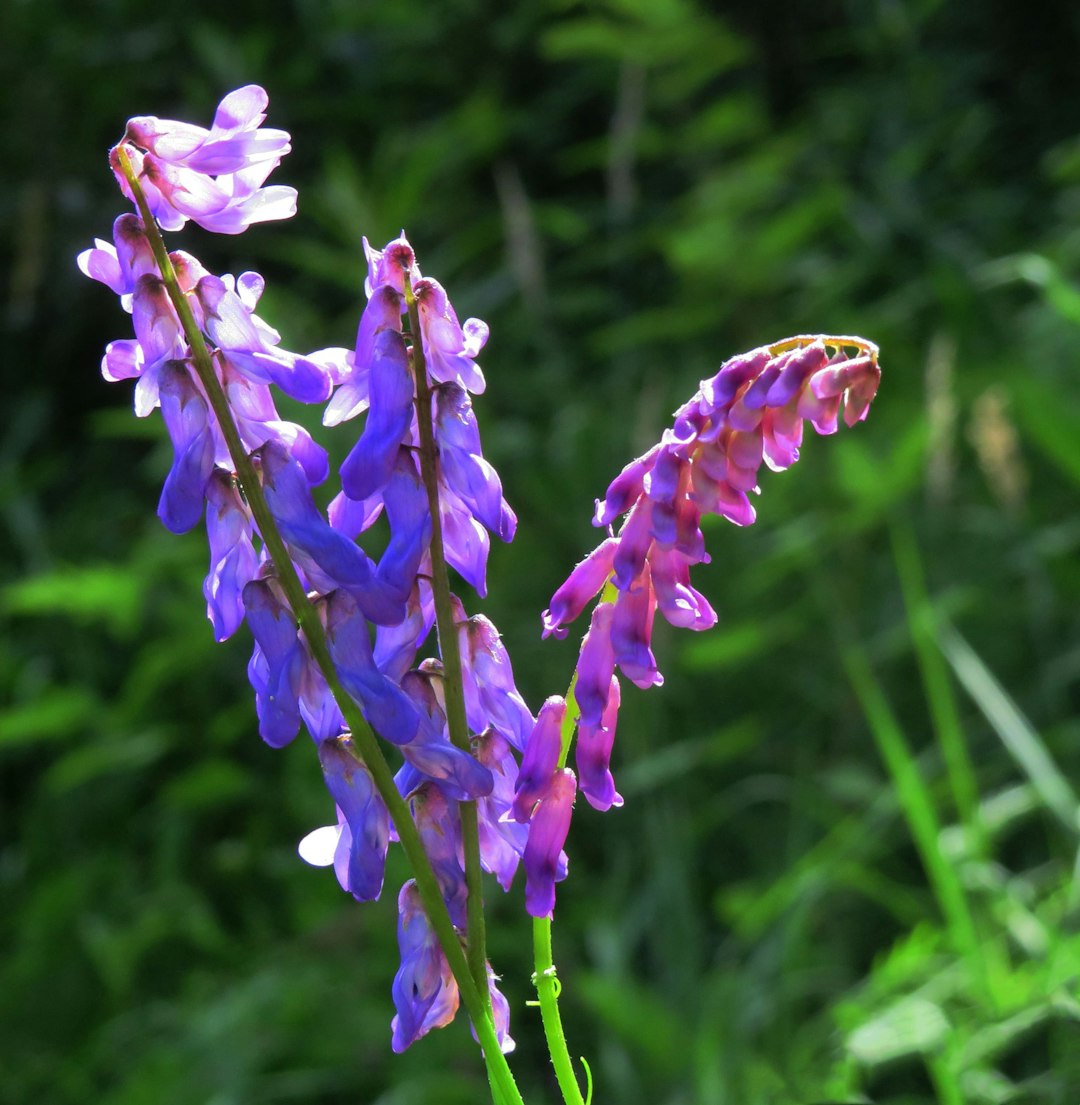
A stunning prairie native producing tall spikes of deep blue pea-like flowers that create dramatic vertical accents in wildflower gardens. This nitrogen-fixing legume improves soil while attracting bees and serving as the sole host plant for the endangered Karner Blue butterfly. The distinctive palmate leaves and showy flower spikes make it a standout in naturalized plantings and cottage gardens.

A single vibrant blue flower blooms outdoors.

Wild Blue Phlox

Easy to moderateContainer

A woodland treasure that carpets forest floors with fragrant lavender-blue flowers in early spring. This spreading perennial creates stunning drifts of color before trees leaf out, making it perfect for naturalizing in shade gardens or woodland borders. The sweet-scented blooms attract early butterflies and other pollinators emerging from winter.

a close-up of a flower

Wild Columbine

N/AdModerateHeirloomContainer

This delicate woodland native produces unique red and yellow flowers with distinctive spurs that nod gracefully above blue-green compound foliage. Wild columbine is a hummingbird magnet and thrives in partial shade where many wildflowers struggle. Its ability to self-seed in rocky crevices and woodland edges makes it perfect for naturalizing in shade gardens.

a close up of a white and yellow flower

Wild Indigo

Not applicabledEasy

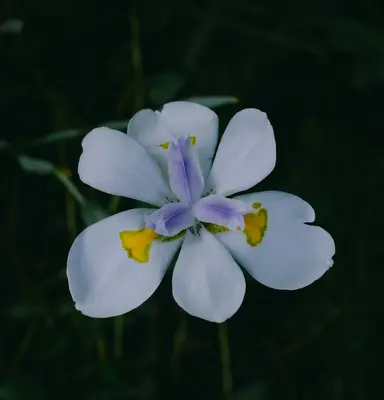
A unique prairie native with silvery-gray foliage and distinctive deep purple flower spikes topped with bright orange stamens, creating an unusual and striking garden display. This extremely drought-tolerant legume develops a deep taproot and becomes virtually maintenance-free once established, making it perfect for challenging sites.

a close up of a white and yellow flower

Wild Lupine

N/AdModerateHeirloom

This stunning native perennial produces tall spikes of blue-purple pea-like flowers above distinctive palmate leaves. Wild lupine is the sole host plant for the endangered Karner blue butterfly and an important nitrogen-fixer that improves soil health. Its deep taproot makes it extremely drought tolerant once established, perfect for naturalizing in sandy soils.

Zone 3 Growing Tips for Alaska

Start most of your wildflower seeds indoors 6-8 weeks before your May 15th last frost date, giving them time to develop strong root systems before transplanting. However, many Zone 3 natives actually benefit from cold stratificationβ€”Purple Coneflower, Wild Columbine, and New England Aster seeds should be winter sown or given a cold treatment in your refrigerator for 30-60 days before starting indoors in March. This mimics the natural freeze-thaw cycles these plants expect.

Transplant seedlings outdoors after soil temperatures consistently reach 50Β°F, typically late May to early June in Zone 3. Don't rush this stepβ€”cold soil kills more transplants than late planting dates. For direct seeding, wait until soil can be worked in spring, usually mid to late May, and consider covering seeded areas with row cover for the first few weeks to moderate temperature swings.

Your biggest challenge will be the short growing season, so focus on soil preparation the previous fall and have season extension tools ready. Low tunnels, cold frames, or even overturned milk jugs can protect young plants from unexpected late frosts and help extend blooming into October. Many of these natives, particularly Black-Eyed Susan and Bee Balm, will self-seed readily once established, giving you natural succession plantings that are perfectly timed to your local conditions.