Zone 4 Coverage
Planting Timeline — All Varieties
Growing Nut Trees in Zone 4
Zone 4 presents unique opportunities for nut tree cultivation, despite its reputation as a challenging climate. With winter temperatures dipping to -30°F and a relatively short growing season, success depends on choosing varieties that can both survive brutal winters and mature nuts within the available frost-free period. The key is selecting trees that have been bred or naturally adapted for cold climates, rather than hoping southern varieties will somehow adapt.
When evaluating nut trees for Zone 4, prioritize cold hardiness ratings, early nut maturation, and disease resistance. Many traditional nut varieties simply won't ripen before your first frost in late September, leaving you with immature nuts year after year. The varieties listed here have proven track records in similar climates, with most capable of surviving -25°F to -30°F winters while producing mature nuts within a 135-day growing season. Focus on northern-bred cultivars like Carpathian Walnuts, cold-hardy hazelnuts, and specially selected chestnuts that can handle your climate extremes.
Variety Comparison
| Variety ↑ | Days | Difficulty |
|---|---|---|
| Black Walnut | 180-210 | Easy |
| Carpathian Walnut | 160-190 | Easy to moderate |
| Chandler Walnut | 140-160 | Moderate |
| Chestnut (Chinese) | 120-150 | Easy to moderate |
| English Walnut | 150-180 | Moderate |
| Franquette Walnut | 170-200 | Easy to moderate |
| Hazel (American) | 120-150 | Easy |
| Hazelnut (Barcelona) | 120-150 | Moderate |
| Hazelnut (Ennis) | 150-170 | Easy to Moderate |
| Hazelnut (Jefferson) | 150-180 | Moderate |
| Hazelnut (Lewis) | 120-150 | Moderate |
| Hazelnut (Theta) | 120-150 | Easy to moderate |
| Hickory (Lakota) | 180-210 | Moderate |
Variety Details

Black Walnut
America's native nut tree that produces intensely flavored nuts prized by gourmet cooks and wildlife alike. Black walnut combines valuable timber potential with unique culinary nuts that have a bold, distinctive taste unlike any other nut. This impressive native tree creates its own ecosystem space through natural allelopathy while providing generations of harvestable nuts and potential lumber value.
Carpathian Walnut
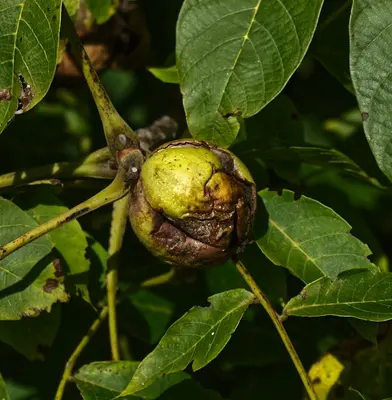
The ultimate cold-hardy walnut that brings nut production to northern climates previously too harsh for English walnuts. Originally from the Carpathian Mountains of Eastern Europe, these hardy trees can withstand temperatures down to -25°F while still producing quality nuts. Each tree grown from seed develops unique characteristics, making every Carpathian walnut tree a one-of-a-kind addition to cold-climate homesteads.
Chandler Walnut
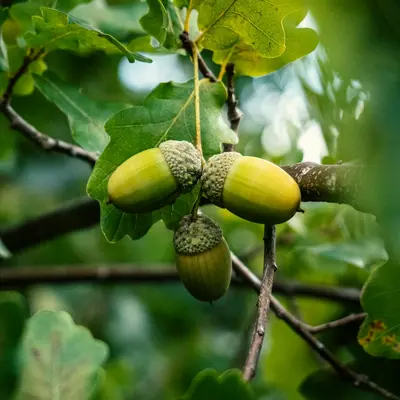
The gold standard for commercial and home walnut production, Chandler produces exceptionally large, light-colored nuts with excellent crack-out quality. This high-yielding variety bears consistently heavy crops of premium nuts that are easy to shell and have superior storage life. Developed at UC Davis, it represents the pinnacle of walnut breeding for both quality and productivity.
Chestnut (Chinese)
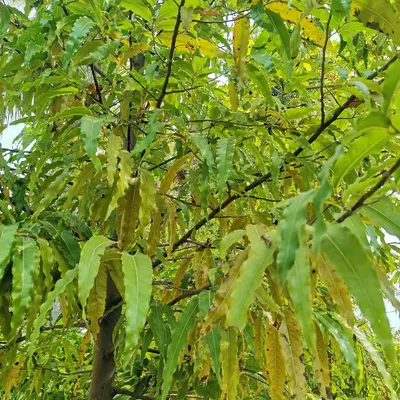
The Chinese chestnut offers hope for restoring chestnut production in North America with its natural resistance to chestnut blight that devastated American chestnuts. These fast-growing trees produce sweet, starchy nuts perfect for roasting and have become increasingly popular among homesteaders and permaculture enthusiasts. The trees are also valued for their beautiful fall color and relatively compact size compared to their American cousins.
English Walnut
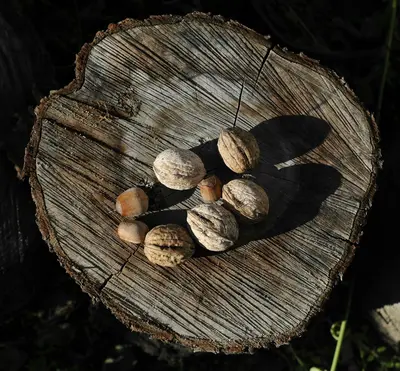
The classic walnut tree prized for producing large, easy-to-crack nuts with sweet, mild-flavored meats. This majestic shade tree combines beauty with bounty, offering decades of reliable harvests once established. Self-pollinating varieties make it perfect for home orchards where space limits you to a single tree.
Franquette Walnut
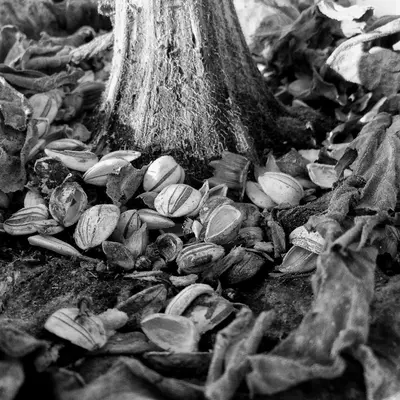
A treasured French heirloom variety that combines exceptional nut quality with impressive cold tolerance and late leafing that avoids spring frosts. Franquette produces elongated nuts with rich, flavorful meats that store exceptionally well through winter months. This variety serves double duty as an excellent pollinator for other walnut varieties while producing its own premium crop.
Hazel (American)
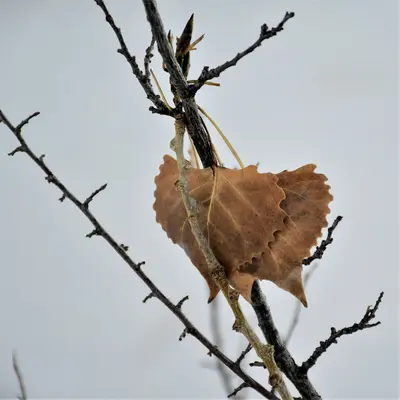
A native North American shrub that produces clusters of small, sweet nuts beloved by both wildlife and gardeners. This hardy, cold-tolerant species thrives in a wide range of conditions and makes an excellent choice for naturalistic landscapes or permaculture designs. The nuts have a rich, buttery flavor and the plant provides beautiful fall color and early spring catkins.

Hazelnut (Barcelona)
The most widely planted hazelnut variety in North America, Barcelona produces large, flavorful nuts with excellent kernel quality. This reliable producer is known for its consistent heavy yields and good cold hardiness, making it an ideal choice for home orchardists. The nuts have a rich, buttery flavor perfect for eating fresh or using in baking.
Hazelnut (Ennis)
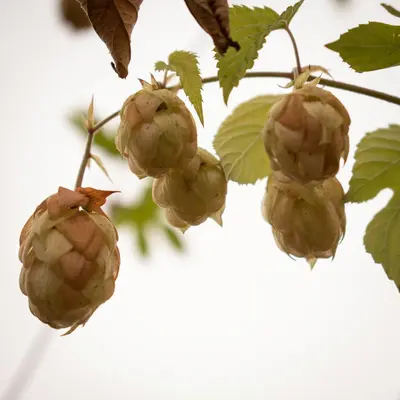
A late-season European hazelnut variety prized for producing large, round nuts with excellent flavor and easy shell removal. Developed in Oregon, Ennis is one of the most reliable producers for home orchards, consistently delivering heavy crops of premium quality nuts. This variety ripens later than most hazelnuts, extending the harvest season into October.
Hazelnut (Jefferson)
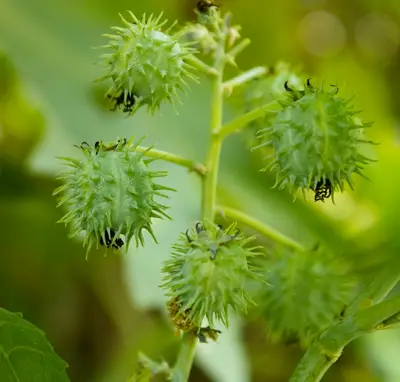
A breakthrough hybrid hazelnut developed by Oregon State University that combines excellent nut quality with strong disease resistance. This compact tree produces abundant clusters of medium-sized nuts with exceptional flavor and thin shells that crack easily. Jefferson is perfect for home orchards, offering reliable harvests and manageable size for backyard growing.
Hazelnut (Lewis)
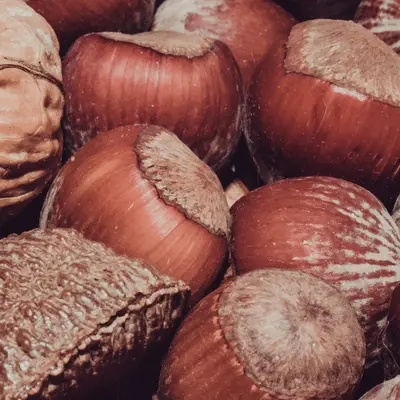
A premium hazelnut variety developed by Oregon State University, prized for its large, flavorful nuts and excellent cracking quality. Lewis produces consistently heavy crops of nuts that are perfect for fresh eating or culinary use, with a rich, buttery flavor that rivals European varieties. This variety shows good resistance to eastern filbert blight, making it suitable for a wider range of growing regions.
Hazelnut (Theta)
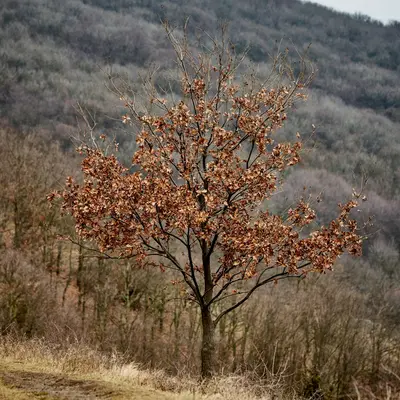
A breakthrough variety bred at Oregon State University, Theta represents the future of hazelnut growing with complete immunity to Eastern Filbert Blight. This disease-resistant variety produces medium-sized nuts with excellent flavor and kernel quality, making it perfect for regions where traditional hazelnuts struggle. Theta opens up hazelnut growing to gardeners in previously unsuitable areas while delivering reliable, heavy crops.
Hickory (Lakota)
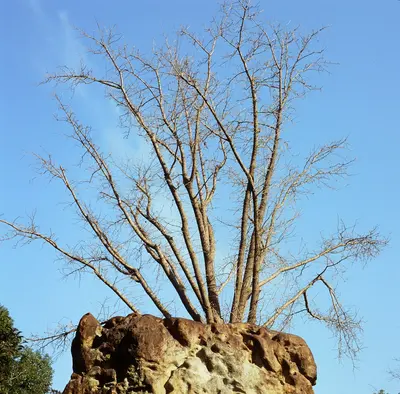
A superior shagbark hickory selection known for producing exceptionally large, thin-shelled nuts with outstanding flavor that rivals any native nut tree. Lakota was selected from wild trees for its consistent production, easy cracking, and rich, buttery kernel quality that makes the effort of growing hickories worthwhile. This variety represents the best of America's native nut trees for the patient home orchardist.
Zone 4 Growing Tips
Plant nut trees in Zone 4 during early spring, ideally 2-3 weeks before your average last frost date of May 10th. This timing allows root establishment during cool, moist conditions without exposing new growth to hard freezes. Choose the warmest, most protected location in your yard—typically on a south-facing slope or near a building that provides wind protection. Avoid low-lying areas where cold air settles, as these frost pockets can damage late spring growth or early fall nuts.
Soil preparation is critical in Zone 4's often clay-heavy or poorly-draining soils. Most nut trees require excellent drainage and will fail in waterlogged conditions, especially during freeze-thaw cycles. Amend heavy soils with compost and consider mounding or raised planting areas. Mulch heavily around young trees to moderate soil temperature swings and protect roots, but keep mulch several inches from the trunk to prevent rodent damage during long winters.
Season Overview
Your 135-day growing season from mid-May through late September requires careful variety selection, as many nut trees need 150+ days to properly mature their nuts. Early-ripening varieties like Carpathian Walnuts, northern hazelnuts, and specially bred chestnuts work best, typically maturing nuts by early to mid-September before your average first frost on September 25th. Late-season varieties like most pecans are risky choices, though some northern selections like Pawnee may succeed in protected locations with good heat accumulation.