Chandler Walnut
Juglans regia 'Chandler'
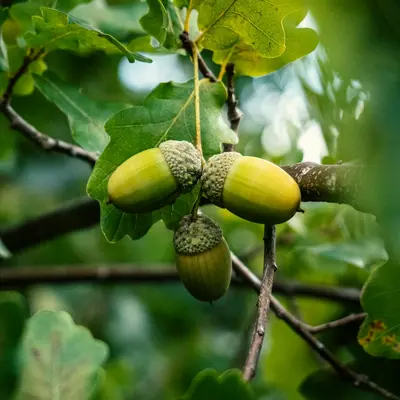
The gold standard for commercial and home walnut production, Chandler produces exceptionally large, light-colored nuts with excellent crack-out quality. This high-yielding variety bears consistently heavy crops of premium nuts that are easy to shell and have superior storage life. Developed at UC Davis, it represents the pinnacle of walnut breeding for both quality and productivity.
Harvest
140-160d
Days to harvest
Sun
Full sun
Zones
3–7
USDA hardiness
Height
40-60 feet
Planting Timeline
Showing dates for Chandler Walnut in USDA Zone 7
All Zone 7 nut-tree →Zone Map
Click a state to update dates
Chandler Walnut · Zones 3–7
Growing Details
Complete Growing Guide
Chandler walnuts require 140-160 frost-free days and thrive in well-drained soil with full sun exposure in USDA zones 5-9, though they perform best in warmer climates with distinct seasons. Unlike standard walnut varieties, Chandler needs cross-pollination with a compatible male cultivar like Carpathian or Franquette to set nuts reliably, so plant at least two trees if space permits. This cultivar is moderately susceptible to walnut blight and anthracnose in humid regions; ensure proper air circulation and avoid overhead irrigation to minimize fungal issues. Chandler also tends toward alternate bearing if overtaxed, so thin young fruit clusters in heavy-set years to encourage consistent annual production. A practical tip: apply zinc sulfate in spring if foliage shows mottling, as Chandler is zinc-responsive and deficiency reduces both nut size and kernel quality. Prune strategically in late winter to maintain a strong central leader and open canopy.
Light: Full sun (6 or more hours of direct sunlight a day). Soil: Clay, High Organic Matter, Loam (Silt). Soil pH: Neutral (6.0-8.0). Drainage: Good Drainage, Moist. Height: 40 ft. 0 in. - 60 ft. 0 in.. Spread: 40 ft. 0 in. - 60 ft. 0 in.. Spacing: more than 60 feet. Maintenance: Medium. Propagation: Grafting, Layering, Seed, Stem Cutting. Regions: Mountains, Piedmont.
Harvesting
Chandler walnuts reach peak harvest readiness when the outer hull transitions from green to brown and begins splitting naturally along the seams, revealing the tan shell beneath. The nuts should feel firm and slightly loose within the hull rather than tightly adhered, and mature specimens will be notably large and uniform in size. Unlike single-harvest varieties, Chandler typically produces nuts that ripen progressively throughout the season, allowing for continuous harvesting by shaking or hand-collecting fallen nuts over several weeks. For optimal results, time your main harvest for late September through October in most regions, when the majority of hulls have split and the moisture content has dropped sufficiently for easier processing and superior storage longevity.
The fruit is a round nut that is encased in a green, semi-fleshy husk that turns brown. The nut measures up to 2 inches long. It matures in the fall and has a very thin wrinkled shell. The nut is thin, smooth, and has shallow furrows. The meat of the nut is creamy white and sweet.
Color: Green. Type: Nut. Length: 1-3 inches. Width: 1-3 inches.
Garden value: Edible, Showy
Harvest time: Fall
Edibility: The nuts are edible. They may be eaten fresh, roasted, and salted.
Storage & Preservation
Chandler walnuts store best in a cool, dry location between 32–50°F with relative humidity around 65–70%, ideally in breathable mesh bags or wooden crates that allow air circulation. Under these conditions, in-shell nuts maintain quality for 6–12 months, while shelled kernels last 3–4 months before oils begin to oxidize. For longer preservation, freezing shelled kernels at 0°F or below extends viability to 1–2 years with minimal flavor loss. Drying is straightforward: spread freshly cracked kernels on screens in a warm, well-ventilated space until brittle, then store in airtight containers. Chandler's mild, sweet character makes it particularly suited to blanching and skinning for premium confectionery work—a step worth considering if targeting high-end baking applications, as the pale kernels command better prices and cleaner presentation than unblanched nuts.
History & Origin
Developed at the University of California, Davis, the Chandler walnut emerged from UC Davis's comprehensive walnut breeding program, which aimed to create superior commercial varieties. While specific breeder names and exact development year remain less documented in readily available sources, Chandler represents the culmination of decades of selective breeding work focused on nut quality, yield consistency, and commercial viability. The variety was introduced commercially in the 1980s and quickly became the industry standard for California walnut production, reflecting the success of UC Davis's methodical approach to improving Juglans regia through controlled crossing and rigorous evaluation protocols.
Origin: Europe to Central Asia
Advantages
- +Exceptional nut size and light color make Chandler commercially valuable and visually appealing
- +Superior crack-out quality and easy shelling reduce processing time and increase usable meat
- +Consistent heavy yields provide reliable nut production for both home and commercial growers
- +Excellent storage life extends market window and reduces post-harvest losses significantly
- +Mild, sweet flavor with low astringency appeals to wide consumer preferences
Considerations
- -Susceptible to walnut blight and crown rot, requiring vigilant disease management practices
- -Extended 140-160 day season demands warm climates unsuitable for cooler growing regions
- -Walnut husk fly and navel orangeworm pressure necessitates regular pest monitoring and control
Companion Plants
Comfrey is probably the most useful plant you can put under a Chandler walnut. Its taproot — often reaching 6 feet or more — pulls calcium, potassium, and magnesium from below the walnut's main feeding zone and deposits them in leaves that break down fast when cut and dropped in place. Clover in the understory does similar work on a different nutrient: nitrogen fixation via Rhizobium bacteria keeps the soil from going thin under a tree that casts enough shade to discourage most turf grasses anyway. Yarrow and marigolds pull in hoverflies and parasitic wasps that keep walnut aphid (Chromaphis juglandicola) populations from getting out of hand without much intervention on your part.
The plants to keep away from Chandler are sensitive to juglone, a phenolic compound concentrated in walnut roots, hulls, and leaf litter. Tomatoes and apple trees will show wilting and stunting — sometimes outright death — if planted within the drip line. Chandler produces less juglone than Juglans nigra, but UC Cooperative Extension data puts the affected zone at 50–60 feet from the trunk for sensitive species, so the margin isn't generous. Pines are less commonly discussed but show the same sensitivity; their needles also acidify soil below pH 6.0, which puts them in direct conflict with Chandler's preferred 6.0–7.0 range. The "black walnut as harmful companion" note is a practical reminder for anyone running a mixed planting: J. nigra's juglone output is substantially heavier than Chandler's, and siting the two species close together raises the chemical load on everything in the understory, including the beneficial plantings you're trying to maintain.
Plant Together
Comfrey
Deep roots bring up nutrients, leaves make excellent mulch and fertilizer
Clover
Fixes nitrogen in soil, provides ground cover and reduces weeds
Lavender
Repels aphids and ants, attracts beneficial pollinators
Nasturtium
Acts as trap crop for aphids and cucumber beetles
Chives
Repels aphids and improves soil with sulfur compounds
Yarrow
Attracts beneficial insects and improves soil health
Marigold
Deters nematodes and various harmful insects
Dandelion
Deep taproot breaks up compacted soil and brings up nutrients
Keep Apart
Black Walnut
Produces juglone which is toxic to many plants including other walnuts
Tomato
Highly sensitive to juglone produced by walnut roots
Apple Trees
Susceptible to juglone toxicity, causes stunted growth and yellowing
Pine Trees
Compete for similar nutrients and may inhibit walnut growth through allelopathy
Nutrition Facts
Per 100g serving. % Daily Value based on 2,000 calorie diet. Source: USDA FoodData Central (FDC #2346394)
Pests & Disease Resistance
Resistance
Good walnut blight resistance, susceptible to crown rot in wet conditions
Common Pests
Walnut husk fly, navel orangeworm, aphids, mites
Diseases
Crown rot, walnut blight, deep bark canker
Troubleshooting Chandler Walnut
What you'll see, why it happens, and what to do about it.
Husks turn black and sticky in late summer, with hollow or shriveled nutmeat inside
Likely Causes
- Walnut husk fly (Rhagoletis completa) — adult flies lay eggs in the husk around August; larvae tunnel through and rot the husk before the shell has fully hardened
- Navel orangeworm (Amyelois transitella) — secondary invader that enters through husk fly damage or splits
What to Do
- 1.Pick up and destroy all fallen husks immediately — don't let them sit on the ground and overwinter larvae
- 2.Set yellow sticky traps by late July to monitor husk fly adult emergence and time any kaolin clay or spinosad applications
- 3.Harvest as early as the nuts are mature (Chandler typically runs 140–160 days) — delayed harvest gives larvae more time to do damage
Young shoots and leaves covered in a sticky residue with small, soft-bodied insects clustered near new growth
Likely Causes
- Walnut aphid (Chromaphis juglandicola) — tends to explode in populations during warm, dry stretches in late spring and early summer
- Lack of predatory insect pressure from a monoculture planting
What to Do
- 1.Knock aphids off with a strong stream of water — on a 40-foot tree you're mostly doing this on lower branches, but it helps
- 2.Avoid high-nitrogen fertilizer pushes in spring, which produce the soft new growth aphids prefer
- 3.Plant yarrow or clover in the understory to draw in lacewings and lady beetles; sustained predator pressure outperforms any spray schedule
Dark, water-soaked lesions on leaves, catkins, and young nuts in spring, often following wet weather
Likely Causes
- Walnut blight (Xanthomonas arboricola pv. juglandis) — a bacterial pathogen that spreads in cool, wet conditions during bloom, typically between 55–75°F
- Dense canopy that slows drying after rain
What to Do
- 1.Apply copper-based bactericide at bud break and again at early bloom — timing is everything here; spraying after infection is largely wasted effort
- 2.Prune to open up the canopy structure every dormant season so foliage dries faster after rain
- 3.Rake and remove infected leaf litter in fall; the bacterium overwinters in dead tissue and reinfects the following spring
Frequently Asked Questions
How long does it take to harvest Chandler walnuts?▼
Is Chandler walnut good for beginners?▼
What does Chandler walnut taste like?▼
Can you grow Chandler walnuts in containers?▼
How much sun does Chandler walnut need?▼
What pests affect Chandler walnut trees?▼
Zone-by-Zone Planting Calendar
Growing Guides from Wind River Greens
Sources & References
External authority sources used in compiling this guide.
See the Methodology page for how this data is sourced, what's AI-assisted, and known limitations.