Zone 9 Coverage
Planting Timeline — All Varieties
Growing Nut Trees in Zone 9
Zone 9's generous 290-day growing season and late frost dates make it a nut grower's paradise, but the intense summer heat and humidity present unique challenges. With your last frost typically arriving around February 15th and first frost holding off until December 1st, you have an exceptionally long window for tree establishment and nut development. However, the extended hot summers can stress trees, particularly those varieties better suited to cooler climates, making variety selection crucial for success.
The key to thriving nut trees in Zone 9 lies in choosing heat-tolerant varieties that can handle your climate extremes while still producing quality nuts. Look for cultivars with lower chill hour requirements and strong disease resistance, as the warm, humid conditions can promote fungal issues. Native and near-native species like pecans, hickories, and American hazelnuts typically perform best, having evolved to handle your climate's demands.
Your zone offers an incredible diversity of nut tree options, from the classic Southern pecans like Stuart and Desirable to heat-adapted walnuts and even subtropical macadamias in the warmest microclimates. The extended growing season allows trees to fully mature their nuts and build strong root systems before winter dormancy, giving you advantages that cooler zones simply can't match.
Variety Comparison
| Variety ↑ | Days | Difficulty |
|---|---|---|
| Black Walnut | 180-210 | Easy |
| Hazel (American) | 120-150 | Easy |
| Macadamia (Beaumont) | 180-210 | Moderate to difficult |
| Pecan (Caddo) | 210-230 | Moderate |
| Pecan (Desirable) | 210-240 | Moderate to difficult |
| Pecan (Elliot) | 210-240 | Moderate to difficult |
| Pecan (Pawnee) | 210-240 | Moderate to Challenging |
| Pecan (Stuart) | 210-240 | Moderate |
Variety Details

Black Walnut
America's native nut tree that produces intensely flavored nuts prized by gourmet cooks and wildlife alike. Black walnut combines valuable timber potential with unique culinary nuts that have a bold, distinctive taste unlike any other nut. This impressive native tree creates its own ecosystem space through natural allelopathy while providing generations of harvestable nuts and potential lumber value.
Hazel (American)
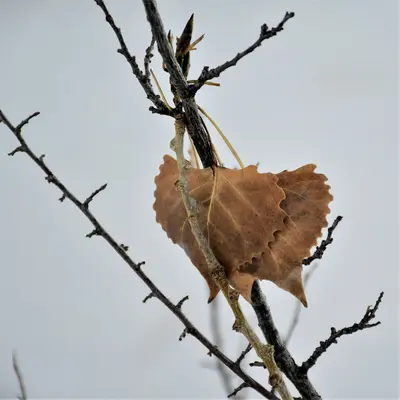
A native North American shrub that produces clusters of small, sweet nuts beloved by both wildlife and gardeners. This hardy, cold-tolerant species thrives in a wide range of conditions and makes an excellent choice for naturalistic landscapes or permaculture designs. The nuts have a rich, buttery flavor and the plant provides beautiful fall color and early spring catkins.
Macadamia (Beaumont)
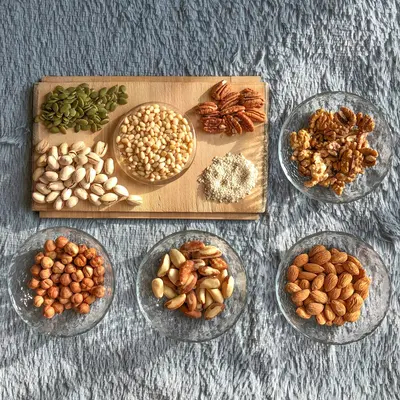
One of the most cold-tolerant macadamia varieties, Beaumont makes it possible to grow these premium nuts in subtropical climates where other varieties would fail. This Australian native produces the rich, buttery nuts that command premium prices in stores, with excellent kernel quality and good cracking characteristics. The evergreen tree also serves as an attractive landscape specimen with glossy leaves and fragrant flower clusters.
Pecan (Caddo)
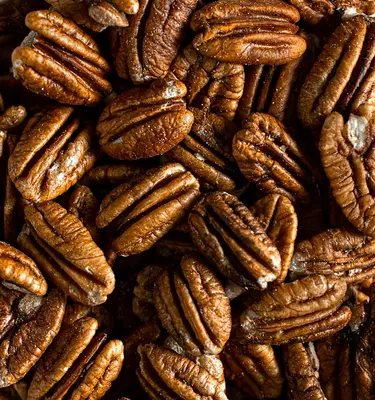
An early-ripening pecan variety that's perfect for northern pecan growing regions and shorter seasons. Caddo produces medium-sized nuts with excellent kernel quality and good crack-out percentage, making it ideal for home gardeners who want reliable harvests. This variety is known for its consistent production and adaptation to cooler climates where other pecans struggle.
Pecan (Desirable)
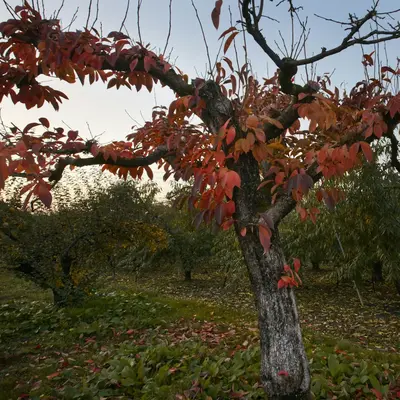
One of the most popular pecan varieties for home orchards, living up to its name with exceptional nut quality and reliable production. Desirable produces large, plump pecans with thin shells that crack easily and yield beautiful halves perfect for baking or snacking. This variety is particularly valued for its consistent bearing habits and excellent disease resistance in humid climates.
Pecan (Elliot)
A favorite among Southern gardeners, Elliot produces small to medium-sized pecans with exceptional flavor and excellent cracking quality. This variety is prized for its consistent annual production and resistance to scab disease, making it one of the most reliable pecans for home growers. The nuts have a high kernel percentage and rich, buttery taste that makes them perfect for both fresh eating and baking.
Pecan (Pawnee)
An outstanding early-season pecan variety that produces large, plump nuts with excellent shell-out percentages and sweet, rich flavor. Pawnee is prized for its consistent annual production and relatively compact growth habit, making it one of the best choices for home pecan growers. This variety begins producing nuts at a younger age than most pecans, typically within 4-6 years.

Pecan (Stuart)
One of the most reliable and widely planted pecan varieties, Stuart has been a Southern favorite since the early 1900s. This self-fertile variety produces large, plump nuts with excellent flavor and good cracking quality, making it perfect for both commercial and home orchard use. The tree is known for its consistent annual production and relatively early bearing age.
Zone 9 Growing Tips
Plant bare-root nut trees between late December and early February, taking advantage of the mild winter weather for root establishment before spring growth begins. Container trees can be planted almost year-round, but avoid the hottest summer months (July-August) when transplant shock is most severe. Your trees will benefit from deep, weekly watering during the intense summer heat, and mulching heavily to keep roots cool and conserve moisture.
Young nut trees in Zone 9 need protection from the brutal afternoon sun, especially during their first two summers. Consider temporary shade cloth or strategic companion planting until trees develop their own canopy. The high humidity can promote fungal diseases, so ensure good air circulation around trees and avoid overhead watering. Many nut trees require cross-pollination, so plan your orchard layout carefully – the long growing season means extended bloom periods, but you'll still need compatible varieties blooming simultaneously.
Take advantage of your extended fall season by allowing nuts to fully ripen on the tree before harvest. The warm October and November weather lets pecans and walnuts reach peak flavor and oil content that northern growers can't achieve. However, harvest promptly once nuts begin falling, as the warm, humid conditions can quickly lead to mold and rancidity in fallen nuts.
Season Overview
Your February 15th average last frost date allows for early tree planting and gives newly planted trees nearly 10 months to establish before facing their first winter. This 290-day growing season is long enough for even late-blooming varieties like Franquette walnut and Desirable pecan to fully mature their nuts, while early varieties like Caddo pecan can sometimes produce two flushes of growth. The December 1st first frost means harvest season extends well into November, allowing nuts to develop maximum oil content and flavor – a significant advantage over shorter-season zones where early frosts can catch nuts before full maturity.