Zone 3 Coverage
Planting Timeline — All Varieties
Growing Nut Trees in Zone 3
Zone 3 presents unique challenges for nut tree cultivation, with temperatures dropping as low as -40°F and a growing season compressed into just four months. However, this harsh climate has bred some incredibly resilient varieties that actually thrive in these conditions. The key advantage Zone 3 offers is consistent winter chill hours – essential for proper dormancy and strong spring growth in many nut species. Your biggest challenge will be selecting varieties with short enough maturation periods to ripen before that mid-September frost hits.
When choosing nut trees for Zone 3, prioritize early-ripening cultivars and those bred specifically for northern climates. Carpathian Walnuts and hazelnuts like 'Theta' and 'Jefferson' are your most reliable performers, having been selected for decades in similar climates. While you might be surprised to see pecans on this list, varieties like 'Caddo' and 'Pawnee' were specifically developed for northern zones and can handle your winters when properly established. The American Revival and Dunstan chestnuts offer excellent cold tolerance while maturing quickly enough to beat your frost dates.
These recommended varieties aren't just surviving in Zone 3 – they're producing quality nuts year after year. Focus on establishing strong root systems in your short growing season, and you'll be rewarded with trees that outlast and outproduce their southern cousins once mature.
Variety Comparison
| Variety ↑ | Days | Difficulty |
|---|---|---|
| Carpathian Walnut | 160-190 | Easy to moderate |
| Chandler Walnut | 140-160 | Moderate |
| English Walnut | 150-180 | Moderate |
| Franquette Walnut | 170-200 | Easy to moderate |
Variety Details
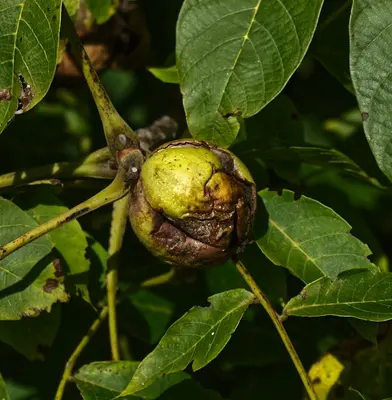
Carpathian Walnut
The ultimate cold-hardy walnut that brings nut production to northern climates previously too harsh for English walnuts. Originally from the Carpathian Mountains of Eastern Europe, these hardy trees can withstand temperatures down to -25°F while still producing quality nuts. Each tree grown from seed develops unique characteristics, making every Carpathian walnut tree a one-of-a-kind addition to cold-climate homesteads.
Chandler Walnut
The gold standard for commercial and home walnut production, Chandler produces exceptionally large, light-colored nuts with excellent crack-out quality. This high-yielding variety bears consistently heavy crops of premium nuts that are easy to shell and have superior storage life. Developed at UC Davis, it represents the pinnacle of walnut breeding for both quality and productivity.
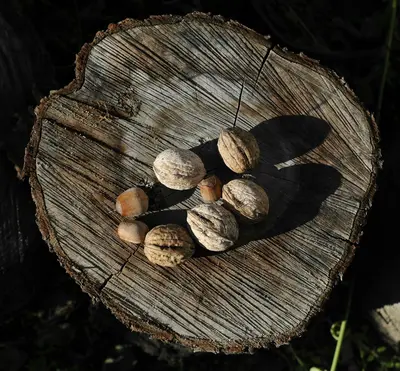
English Walnut
The classic walnut tree prized for producing large, easy-to-crack nuts with sweet, mild-flavored meats. This majestic shade tree combines beauty with bounty, offering decades of reliable harvests once established. Self-pollinating varieties make it perfect for home orchards where space limits you to a single tree.
Franquette Walnut
A treasured French heirloom variety that combines exceptional nut quality with impressive cold tolerance and late leafing that avoids spring frosts. Franquette produces elongated nuts with rich, flavorful meats that store exceptionally well through winter months. This variety serves double duty as an excellent pollinator for other walnut varieties while producing its own premium crop.
Zone 3 Growing Tips
Plant your nut trees immediately after your last frost risk passes in mid to late May, giving them maximum time to establish before winter. Container-grown trees can go in the ground through early July, but bare-root stock needs to be planted by early June at the latest. Your 120-day growing season means every day counts for root development that first year. Choose the most protected spot in your yard – ideally with morning sun exposure and some wind protection from buildings or evergreen windbreaks.
Mulch heavily around young trees to extend soil warmth into fall and protect roots through winter. A 4-inch layer of wood chips or shredded leaves works well, but keep mulch 6 inches away from the trunk to prevent rodent damage. Consider wrapping trunks of young trees with tree wrap each November, as late spring sun can cause bark splitting when it hits frozen wood. Most importantly, water deeply but infrequently through summer to encourage deep root growth – shallow-rooted trees won't survive your winters.
Don't fertilize after mid-July, as this encourages late growth that won't harden off before frost. Instead, focus on building soil organic matter with compost and ensuring good drainage. Waterlogged soil in winter kills more nut trees in Zone 3 than cold temperatures alone.
Season Overview
Your May 15th average last frost and September 15th first frost create a narrow 120-day window that demands careful variety selection. Early-ripening hazelnuts typically mature by late August, giving you a comfortable buffer, while late-season pecans like 'Desirable' cut it close and may not ripen in cooler summers. Most walnuts and chestnuts fall somewhere in between, with nuts dropping in early to mid-September. This compressed timeline actually works in your favor for varieties that need consistent summer heat – they get intense, long daylight hours during your peak growing months of June through August.