Best Fruit Trees to Grow in North Dakota
North Dakota spans USDA Zones 3–5, typically Zone 4. We've broken out 27 fruit tree varieties by zone — pick your zone below or find the right varieties for your specific part of the state.
Varieties
27
for North Dakota
USDA
Zones 3–5
120–155 days season
Beginner
4
easy to grow
Heirloom
11
heritage varieties
North Dakota in USDA Zones 3–5
North Dakota spans Zones 3–5. Variety lists below are organized by zone — start with your zone for the most accurate recommendations.
Growing Fruit Trees in North Dakota
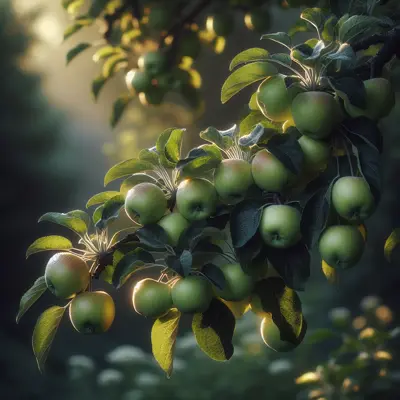
Zone 4 presents unique opportunities and challenges for fruit tree cultivation, with its harsh winters dipping to -30°F but offering blessed relief from many pest pressures that plague warmer regions. The key to success lies in selecting varieties bred specifically for cold hardiness – those tender citrus and tropical fruits simply won't survive your winters outdoors, though some can thrive as container plants moved indoors. Your shorter growing season actually works in favor of certain varieties, particularly apples and sour cherries that require substantial winter chill hours to fruit properly.
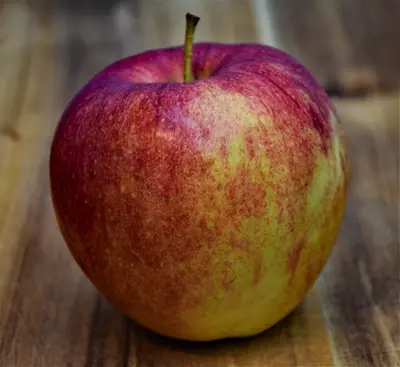
When choosing fruit trees for Zone 4, prioritize cold-hardy varieties with shorter maturation periods that can ripen within your 135-day growing window. Look for disease-resistant cultivars, as the humidity and temperature swings common in northern climates can encourage fungal issues. The most reliable performers in your zone include hardy apples like Honeycrisp, Liberty, and Early Harvest, along with Montmorency sour cherries and select plum varieties. These trees have been specifically bred or selected to handle your climate extremes while still producing quality fruit.
Zone 4 Fruit Trees for North Dakota★ Most of ND
19 varieties · Last frost May 10 · 135-day season
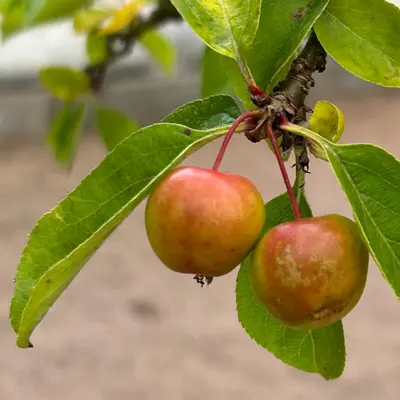
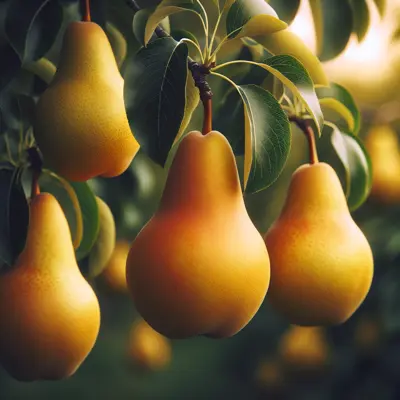
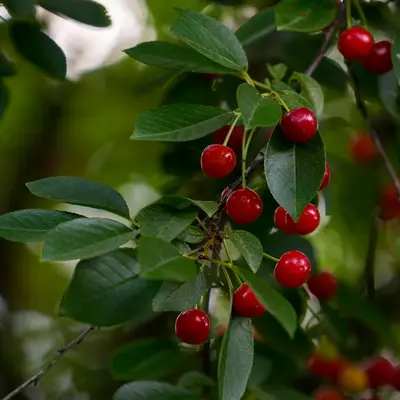
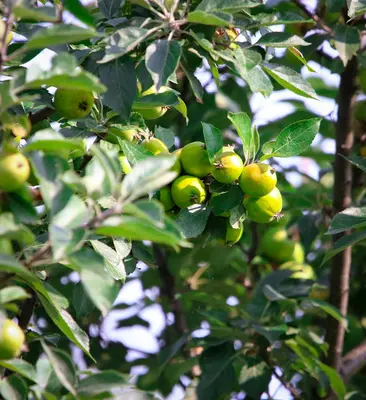
Zone 3 Fruit Trees for North Dakota
3 varieties · Last frost May 15 · 120-day season

Zone 5 Fruit Trees for North Dakota
27 varieties · Last frost April 30 · 155-day season

Zone 4 Growing Tips for North Dakota
Plant your fruit trees in early spring, ideally 2-4 weeks before your average last frost date of May 10th, when soil can be worked but temperatures remain cool. This gives trees time to establish roots before summer heat arrives, but avoid planting when soil is waterlogged from snowmelt. Choose the warmest, most protected spots in your yard – south-facing locations with wind protection from buildings or evergreen windbreaks will help trees survive winter and extend your growing season into fall.
Mulch heavily around trees before winter sets in, extending mulch 4-6 feet from the trunk to insulate roots during those brutal -30°F nights. Wrap young tree trunks with tree guards to prevent sunscald and rodent damage during winter months. For marginally hardy varieties, consider dwarf trees in large containers that can be moved into an unheated garage or basement during the coldest months – this works particularly well for hardy figs like Chicago Hardy Fig, which can be treated as container plants in your zone.