Best Fruit Trees to Grow in California
California spans USDA Zones 5–11, typically Zone 9. We've broken out 31 fruit tree varieties by zone — pick your zone below or find the right varieties for your specific part of the state.
Varieties
31
for California
USDA
Zones 5–11
155–365 days season
Beginner
8
easy to grow
Heirloom
13
heritage varieties
California in USDA Zones 5–11
California spans Zones 5–11. Variety lists below are organized by zone — start with your zone for the most accurate recommendations.
Growing Fruit Trees in California
Zone 9 gardeners hit the fruit tree jackpot with nearly 10 months of growing season and mild winters that rarely dip below 20°F. This climate opens doors to an incredible diversity of fruit trees, from cold-hardy apples to heat-loving citrus, subtropical figs, and even dwarf bananas. The challenge isn't whether you can grow fruit trees – it's choosing which ones deserve precious garden space. Your biggest climate advantages are the extended growing season that allows fruits to fully develop complex flavors, and winter temperatures mild enough for citrus to thrive outdoors year-round. However, Zone 9's heat can stress temperate fruits like apples and cherries, so selecting heat-tolerant varieties is crucial for success.
The best Zone 9 fruit tree varieties share key traits: heat tolerance, disease resistance, and either low chill requirements or excellent heat adaptation. Look for apple varieties like Anna, Dorsett Golden, and Ein Shemer that need minimal winter chill hours, or heat-adapted stone fruits like Santa Rosa plums and Elberta peaches. This is also prime territory for citrus experimentation – Meyer lemons, navel oranges, and kumquats will reward you with fresh fruit while more adventurous gardeners can try pomelos, key limes, and Ruby Red grapefruit. The varieties I've selected below represent the cream of the crop for Zone 9 – reliable performers that deliver exceptional harvests in your climate.
Zone 9 Fruit Trees for California★ Most of CA
22 varieties · Last frost February 15 · 290-day season
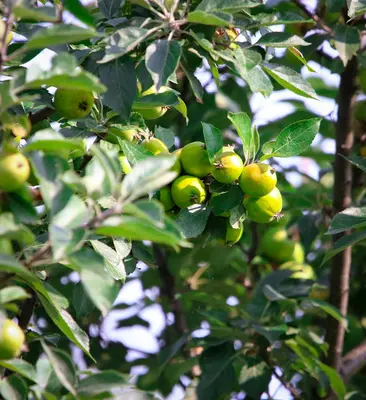
Zone 8 Fruit Trees for California
31 varieties · Last frost March 15 · 240-day season
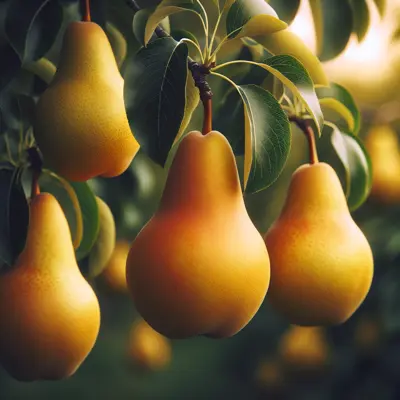
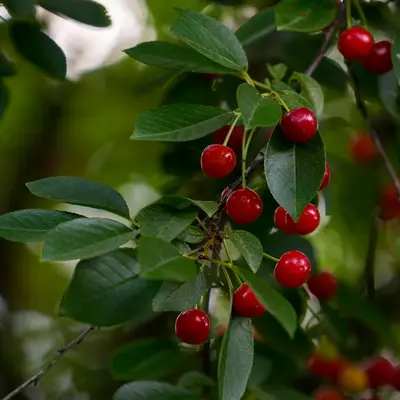
Zone 10 Fruit Trees for California
4 varieties · Last frost January 31 · 320-day season
Zone 7 Fruit Trees for California
30 varieties · Last frost April 1 · 210-day season
Zone 6 Fruit Trees for California
27 varieties · Last frost April 15 · 180-day season
Zone 5 Fruit Trees for California
27 varieties · Last frost April 30 · 155-day season
Zone 9 Growing Tips for California
Plant bareroot fruit trees in Zone 9 between late January and early March, taking advantage of your February 15 average last frost date. This timing allows trees to establish roots during cool weather before summer heat arrives. Container-grown trees can be planted almost year-round, but avoid the brutal heat of July and August. Plant citrus trees after the last frost risk passes in March, as young citrus can be damaged by unexpected cold snaps that older trees would shrug off.
Your biggest challenge will be managing summer heat stress, especially on temperate fruits like apples, pears, and stone fruits. Mulch heavily with 4-6 inches of organic matter to keep roots cool and retain moisture. Consider afternoon shade for the most heat-sensitive varieties – a strategically placed shade cloth or larger tree can make the difference between thriving and merely surviving. Water deeply but less frequently to encourage deep root growth, and avoid overhead watering during humid periods to prevent fungal diseases. Many Zone 9 gardeners find success with drip irrigation systems that deliver consistent moisture without wetting foliage.