Best Tropical Plants to Grow in Hawaii
Hawaii spans USDA Zones 10–13, typically Zone 10. We've broken out 21 tropical varieties by zone — pick your zone below or find the right varieties for your specific part of the state.
Varieties
21
for Hawaii
USDA
Zones 10–13
320–365 days season
Beginner
4
easy to grow
Heirloom
9
heritage varieties
Hawaii in USDA Zones 10–13
Hawaii spans Zones 10–13. Variety lists below are organized by zone — start with your zone for the most accurate recommendations.
Growing Tropical Plants in Hawaii
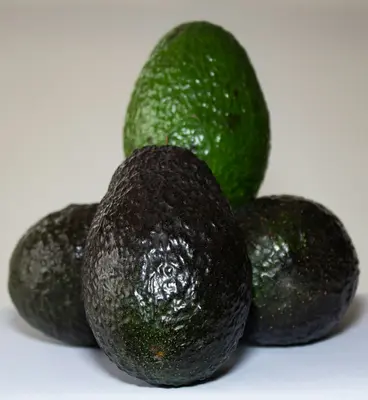
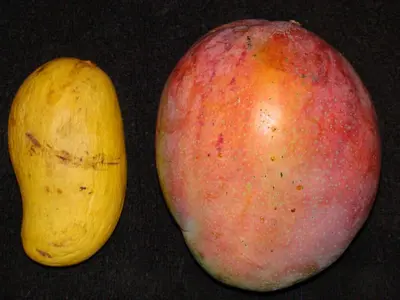
Zone 10 is a tropical gardener's paradise, offering nearly year-round growing conditions that allow you to cultivate exotic fruits and ornamentals that simply won't survive in cooler climates. With temperatures rarely dipping below 30°F, you can grow heat-loving plants like mangoes, avocados, and bananas outdoors permanently, while also enjoying extended seasons for peppers and tomatoes that would struggle elsewhere. The challenge isn't surviving winter—it's managing intense summer heat, humidity, and the occasional tropical storm that can stress even heat-adapted plants.
When selecting tropical varieties for Zone 10, prioritize heat tolerance, humidity resistance, and wind resilience over cold hardiness. Look for cultivars that have been tested in similar climates, particularly those developed in Florida, Hawaii, or the Caribbean. The plants I've selected here represent the cream of the crop for Zone 10 conditions—varieties that not only survive but truly thrive in your subtropical environment, producing abundant harvests and stunning displays throughout your extended growing season.
Zone 10 Tropical Plants for Hawaii★ Most of HI
21 varieties · Last frost January 31 · 320-day season
Zone 11 Tropical Plants for Hawaii
21 varieties · Year-round growing
Zone 12 Tropical Plants for Hawaii
8 varieties · Year-round growing
Zone 10 Growing Tips for Hawaii
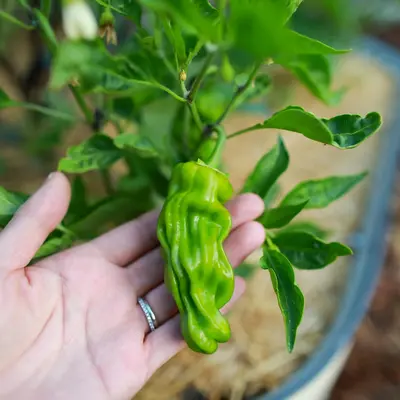
In Zone 10, timing is less about avoiding frost and more about working with seasonal rainfall patterns and extreme summer heat. Start your warm-season crops like tomatoes and peppers in late February through March, giving them time to establish before the intense summer heat arrives. For tropical fruits, plant during the cooler months from November through February when root establishment is easier and transplant shock is minimized.
Summer planting requires extra attention to irrigation and shade protection, especially for newly transplanted specimens. Consider temporary shade cloth (30-50%) during the hottest months, and establish a reliable irrigation system before the dry season hits. Wind protection is crucial year-round—stake tall plants like bananas and papayas securely, and consider windbreaks for more exposed gardens. Mulching heavily helps retain moisture and keeps roots cool during scorching summer days.