Bougainvillea Spectabilis
Bougainvillea spectabilis
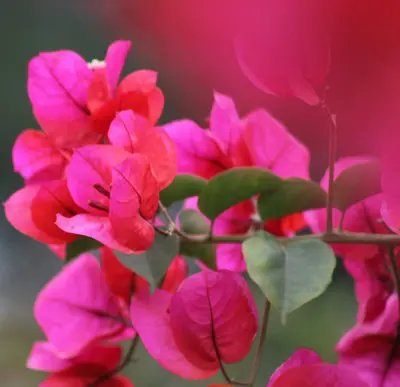
A stunning tropical vine that creates breathtaking displays of vibrant papery bracts in brilliant magenta-purple that many mistake for flowers. This hardy climber can transform any fence, trellis, or wall into a spectacular living artwork that blooms almost year-round in warm climates. Despite its exotic appearance, it's surprisingly drought-tolerant once established and thrives with minimal care.
Sun
Full sun
Zones
9–11
USDA hardiness
Height
15-40 feet
Planting Timeline
Showing dates for Bougainvillea Spectabilis in USDA Zone 9
All Zone 9 tropical →Zone Map
Click a state to update dates
Bougainvillea Spectabilis · Zones 9–11
Growing Details
Complete Growing Guide
Light: Full sun (6 or more hours of direct sunlight a day). Soil: Clay, High Organic Matter, Loam (Silt), Sand. Soil pH: Acid (<6.0), Neutral (6.0-8.0). Drainage: Good Drainage, Occasionally Dry. Height: 15 ft. 0 in. - 40 ft. 0 in.. Spread: 15 ft. 0 in. - 41 ft. 0 in.. Spacing: 3 feet-6 feet, 6-feet-12 feet, 12-24 feet. Growth rate: Rapid. Maintenance: Low. Propagation: Root Cutting, Seed, Stem Cutting. Regions: Coastal.
Harvesting
Winged achenes are 1-1.5 cm, elongate, 5-ribbed containing 1 seed and are distributed by wind and water.
Type: Achene. Length: < 1 inch. Width: < 1 inch.
Storage & Preservation
Bougainvillea spectabilis seeds should be stored in a cool, dry location between 50–60°F with relative humidity below 40%, sealed in paper envelopes or breathable containers to prevent moisture accumulation. Viable seeds remain viable for 12–18 months under these conditions. For extended preservation, dry seeds thoroughly and store in airtight glass jars with silica gel packets at 32–41°F; this extends viability to 3–5 years. If propagating from cuttings, wrap the base in damp sphagnum moss and refrigerate at 40°F for up to two weeks before rooting. Avoid freezing seeds or cuttings outright, as Bougainvillea spectabilis is cold-sensitive and moisture damage will reduce germination rates significantly. Check stored seeds quarterly for signs of mold or pest damage.
History & Origin
Bougainvillea spectabilis originated in South America, particularly in Brazil, where it grows as a native woody vine in tropical regions. The species was formally described by botanists in the 19th century, though specific breeding records and individual cultivar development are poorly documented in horticultural literature. Unlike many ornamental plants with traceable breeder lineages, Bougainvillea spectabilis entered cultivation through plant exploration and collection rather than deliberate hybridization programs. The plant became widely distributed through European botanical gardens and nurseries during the Victorian era, eventually spreading globally. Its naturalization in Mediterranean climates and other warm regions occurred through both intentional cultivation and spontaneous propagation, making it difficult to pinpoint precise cultivar origins.
Origin: Brazil
Advantages
- +Attracts: Bees, Butterflies, Moths, Pollinators
- +Fast-growing
- +Low maintenance
Companion Plants
Marigolds, lavender, and rosemary are the most practical companions here. All three prefer similar dry conditions and won't compete hard for water once established — bougainvillea drops its flower production fast if roots are kept too wet, so planting thirsty neighbors nearby is a real problem you're avoiding. Tagetes patula (French marigold) specifically deters aphids and whiteflies through root exudates, which matters because aphid colonies on bougainvillea tend to cluster on new growth right when the plant is trying to set bracts. Rosemary and lavender add scent-based pest disruption — not a silver bullet, but worth having within a few feet of new growth.
Tropical companions like hibiscus, pentas, ixora, and plumbago work well for a different reason: shared cultural requirements. They all want full sun, slightly acidic soil (pH 5.5–6.5), and similar fertilizer timing. Grouping them means you're not managing conflicting watering schedules in the same bed, which is a bigger deal than it sounds when bougainvillea's whole flowering strategy depends on periodic dry stress.
Black walnut is a hard no — it produces juglone, an allelopathic compound that leaches into surrounding soil and is documented to stunt or kill a wide range of ornamentals. Eucalyptus and pine create different but overlapping problems: their accumulated leaf litter can push soil pH below 5.5 and releases terpenes that suppress root development in nearby plants. Bougainvillea won't thrive fighting that chemistry from the ground up.
Plant Together
Marigold
Repels aphids, whiteflies, and nematodes while attracting beneficial insects
Lavender
Deters pests with aromatic oils and attracts pollinators, shares similar drought tolerance
Rosemary
Repels spider mites and aphids, thrives in similar well-draining soil conditions
Hibiscus
Compatible water and sun requirements, creates attractive tropical garden display
Plumbago
Similar growing conditions and blooming season, provides complementary blue flowers
Pentas
Attracts butterflies and hummingbirds, tolerates same heat and humidity levels
Ixora
Shares preference for acidic soil and high humidity, creates layered tropical landscape
Croton
Provides contrasting foliage texture, thrives in similar tropical conditions
Keep Apart
Black Walnut
Releases juglone toxin that inhibits growth and can cause yellowing of leaves
Eucalyptus
Allelopathic properties suppress growth of nearby plants through root and leaf chemicals
Pine Trees
Acidifies soil excessively and creates dense shade that reduces flowering
Nutrition Facts
Per 100g serving. % Daily Value based on 2,000 calorie diet. Source: USDA FoodData Central (FDC #168462)
Pests & Disease Resistance
Resistance
Generally disease resistant, good air circulation prevents fungal issues
Common Pests
Aphids, scale insects, caterpillars
Diseases
Root rot (overwatering), leaf spot, powdery mildew
Troubleshooting Bougainvillea Spectabilis
What you'll see, why it happens, and what to do about it.
Leaves covered in a white powdery coating, often on new growth first
Likely Causes
- Powdery mildew (Erysiphe cichoracearum or similar fungi) — common when nights are cool and humid but days are warm and dry
- Poor air circulation from crowded planting or a wall that traps moisture
What to Do
- 1.Prune out the worst-affected shoots and dispose of them — don't compost
- 2.Spray with a diluted neem oil solution (2 tablespoons per gallon of water) every 7 days until symptoms stop spreading
- 3.Give the plant more open space at planting — minimum 6 feet from walls or other shrubs
Stems and leaves clustered with small, waxy brown or tan bumps that don't wipe off easily
Likely Causes
- Scale insects (armored or soft scale, family Diaspididae or Coccidae) — they attach to stems and suck sap
- Ants farming scale colonies, protecting them from natural predators
What to Do
- 1.Scrub small infestations off with a stiff brush and a rag soaked in 70% isopropyl alcohol
- 2.Apply horticultural oil (2% dilution) to all stem surfaces, making sure to coat under the bumps
- 3.Control ant access with a sticky barrier around the base — scale populations drop fast once ants can't protect them
Yellowing leaves, mushy stem base, and general wilting even when the soil is wet
Likely Causes
- Root rot — most often Phytophthora or Pythium species from consistently waterlogged soil
- Planting in a container or bed without adequate drainage
What to Do
- 1.Stop watering immediately and let the soil dry out as much as possible
- 2.If in a container, unpot the plant, trim off black or mushy roots with clean shears, dust cuts with powdered sulfur, and repot into a fast-draining mix (at least 30% perlite or coarse sand)
- 3.In-ground plants rarely recover from severe root rot — prevent it by never planting in a low spot and never letting water pool around the crown
Frequently Asked Questions
How long does it take for Bougainvillea Spectabilis to bloom?▼
Is Bougainvillea Spectabilis good for beginners?▼
Can you grow Bougainvillea Spectabilis in containers?▼
How much sunlight does Bougainvillea Spectabilis need?▼
What pests affect Bougainvillea Spectabilis?▼
What soil conditions does Bougainvillea Spectabilis prefer?▼
Zone-by-Zone Planting Calendar
Growing Guides from Wind River Greens
Sources & References
External authority sources used in compiling this guide.
- ExtensionNC State Extension
- USDAUSDA FoodData Central
See the Methodology page for how this data is sourced, what's AI-assisted, and known limitations.