Zone 7 Coverage
Planting Timeline — All Varieties
Growing Tropical Plants in Zone 7
Zone 7 presents a fascinating opportunity for tropical gardening—you're right on the edge where many heat-loving plants can thrive with proper planning. With your 210-day growing season stretching from early April through late October, you have enough warmth to grow impressive tropical varieties that gardeners in cooler zones can only dream of. The key is understanding that while your summers are plenty hot, your springs can be unpredictable and your falls arrive sooner than true tropical climates.
Success in Zone 7 tropical gardening comes down to choosing varieties that can handle cooler nighttime temperatures and make the most of your extended but finite season. Look for plants that produce quickly once established, tolerate temperature swings, and don't require the extreme heat that only zones 9-11 can provide consistently. The varieties I've selected here have proven themselves in Zone 7 gardens, offering reliable harvests and spectacular growth when given proper care.
What makes Zone 7 particularly exciting for tropical gardening is your ability to grow both annual tropical crops and marginal perennials that can survive mild winters with protection. This opens up possibilities for fruit trees, ornamental tropicals, and even some of the more adventurous edibles that require longer establishment periods.
Variety Comparison
| Variety ↑ | Days | Difficulty |
|---|---|---|
| Big Bertha Bell Pepper | 75-80 | Easy |
| Ice Cream Bean | 90 | Easy to moderate |
Variety Details
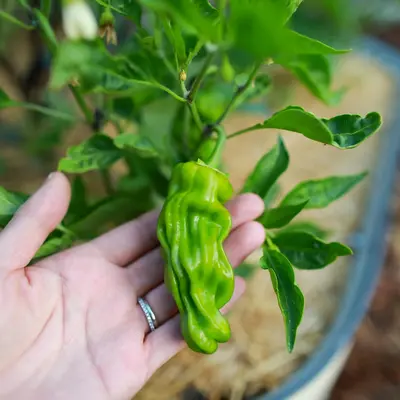
Big Bertha Bell Pepper
A massive sweet bell pepper that produces enormous 7-inch long fruits weighing up to 10 ounces each. This reliable hybrid delivers exceptional yields of thick-walled, sweet peppers that are perfect for stuffing or fresh eating. Big Bertha's impressive size and consistent performance make it a favorite among gardeners who want to grow show-stopping peppers.

Ice Cream Bean
The Ice Cream Bean is a tropical heirloom tree producing elongated, pod-like fruits that ripen in approximately 90 days. The pods contain soft, creamy white pulp with a remarkable vanilla ice cream flavor and distinctive cotton candy texture that dissolves on the tongue. Native to Central and South America, this tree thrives in full sun with rich, well-draining soil. The defining characteristic is its unique taste profile—neither truly fruit nor dessert—making it a novelty choice for tropical gardens. Remarkably pest-resistant and easy to grow, it's prized by enthusiasts seeking unusual, conversation-starting tropical varieties.
Zone 7 Growing Tips
Start your tropical seeds indoors 6-8 weeks before your last frost date in early April—so mid to late February for most varieties. This gives plants time to develop strong root systems before facing outdoor conditions. For heat-lovers like mangoes, papayas, and bananas, wait until soil temperatures consistently reach 65°F before transplanting, usually mid to late April. Don't rush this step; cold soil will stunt tropical plants for weeks.
Season extension is crucial in Zone 7. Use row covers, cold frames, or hoop tunnels to push your season on both ends. Many tropical fruits like guavas and pomegranates can handle light frosts with protection, extending your harvest well into November. For container-grown tropicals like dwarf citrus or coconut palms, plan to move them indoors or to a protected area once nighttime temperatures drop below 50°F consistently.
Watch for Zone 7's notorious spring temperature swings—you might see 70°F days followed by 40°F nights well into May. Hardening off tropical transplants is especially important here. Start with just 2-3 hours of outdoor exposure and gradually increase over 10-14 days. A sudden cold snap can devastate tropicals that haven't been properly acclimated to your variable spring weather.
Season Overview
Your April 1st average last frost date and October 30th first frost give you roughly 7 months of tropical growing weather, but plan conservatively. Late frosts can hit as late as mid-April, while early cold snaps sometimes arrive in mid-October. This 210-day window is perfect for fast-producing tropicals like Thai basil, habanero peppers, and Early Girl tomatoes, but requires strategic planning for slower crops like avocados and mangoes. Focus on varieties that can establish quickly in May and June heat, then produce heavily through your warm September and early October weather before winter arrives.