Zone 5 Coverage
Planting Timeline — All Varieties
Growing Tropical Plants in Zone 5
Zone 5 presents unique opportunities for tropical gardening despite its challenging frost dates. With an average last frost of April 30th and first frost on October 5th, you're working with approximately 155 frost-free days—enough time for many tropical varieties if you choose wisely and plan strategically. The key is selecting fast-maturing varieties and heat-lovers that can make the most of your intense summer heat while tolerating cooler nighttime temperatures that can dip into the 50s even in summer.
Success in Zone 5 tropical gardening comes down to variety selection and timing. Look for determinate tomatoes like Early Girl that mature quickly, compact fruit trees that can be containerized and moved indoors, and herbs like Thai Basil that thrive in shorter seasons. Many tropical plants that struggle in cooler zones like 3-4 actually perform well here because you get sufficient heat units during peak summer months. The challenge isn't just cold—it's maximizing your growing window and having backup plans for unexpected late or early frosts.
Our carefully curated selection focuses on varieties that have proven successful in Zone 5 conditions. From quick-producing peppers like Caribbean Red Habanero to container-friendly fruit trees like Dwarf Cavendish Banana, these plants can deliver tropical flavors and exotic beauty even with your shorter growing season. Many can be grown in containers and brought indoors, extending your tropical garden year-round.
Variety Comparison
| Variety ↑ | Days | Difficulty |
|---|---|---|
| Big Bertha Bell Pepper | 75-80 | Easy |
| Ice Cream Bean | 90 | Easy to moderate |
Variety Details
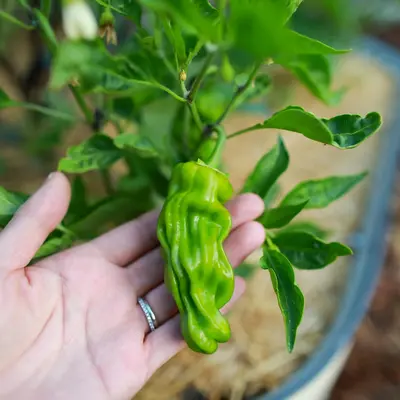
Big Bertha Bell Pepper
A massive sweet bell pepper that produces enormous 7-inch long fruits weighing up to 10 ounces each. This reliable hybrid delivers exceptional yields of thick-walled, sweet peppers that are perfect for stuffing or fresh eating. Big Bertha's impressive size and consistent performance make it a favorite among gardeners who want to grow show-stopping peppers.

Ice Cream Bean
The Ice Cream Bean is a tropical heirloom tree producing elongated, pod-like fruits that ripen in approximately 90 days. The pods contain soft, creamy white pulp with a remarkable vanilla ice cream flavor and distinctive cotton candy texture that dissolves on the tongue. Native to Central and South America, this tree thrives in full sun with rich, well-draining soil. The defining characteristic is its unique taste profile—neither truly fruit nor dessert—making it a novelty choice for tropical gardens. Remarkably pest-resistant and easy to grow, it's prized by enthusiasts seeking unusual, conversation-starting tropical varieties.
Zone 5 Growing Tips
Start your tropical seeds indoors 6-8 weeks before your last frost date, typically in mid to late March for Zone 5. This gives plants like tomatoes, peppers, and herbs a strong head start before transplanting outdoors after May 15th—waiting two weeks past average last frost protects against surprise late freezes that can devastate tropical plants. Use heat mats and grow lights indoors, as most tropical varieties need soil temperatures above 65°F to germinate properly, which is difficult to achieve naturally in Zone 5 during early spring.
Container growing is your secret weapon in Zone 5. Plant dwarf fruit trees, bananas, and sensitive tropicals in large pots that can be moved to protected locations during temperature swings. Position containers against south-facing walls or in courtyards that collect and radiate heat. For in-ground planting, use row covers, Wall O' Water season extenders, or cold frames to add 2-4 weeks to both ends of your growing season. Black plastic mulch warms soil faster in spring and retains heat longer in fall.
Plan for season extension from day one. Install infrastructure like hoop houses or have frost blankets ready by late September. Many tropical plants like peppers and herbs can continue producing well into November with minimal protection. Watch nighttime temperatures closely—when they consistently drop below 50°F, it's time to harvest remaining fruit and either bring containers indoors or take cuttings from plants you want to overwinter.
Season Overview
Your 155-day growing season from early May through early October is actually quite generous for tropical gardening when managed correctly. The April 30th average last frost means you can safely transplant most tropicals by mid-May, giving heat-lovers like peppers, tomatoes, and basil the warm soil they crave. October's first frost typically arrives just as day length and temperatures naturally slow tropical plant growth, making it a natural endpoint for outdoor cultivation. Focus on varieties that mature in 90-120 days to ensure harvest before frost, and remember that September can still be quite productive with warm days and cool nights that many tropical plants actually prefer for fruit ripening.