Red Lady Papaya
Carica papaya 'Red Lady'
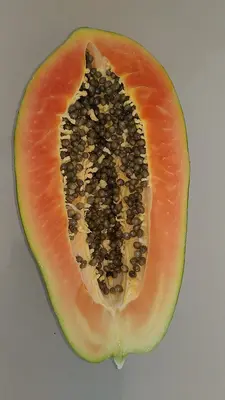
A compact, fast-growing papaya perfect for home gardens and containers. This dwarf variety produces sweet, vibrant orange-red flesh fruits in just 8-12 months from planting. Known for exceptional disease resistance and ability to fruit in smaller spaces than traditional papayas.
Harvest
240-365d
Days to harvest
Sun
Full sun
Zones
10–12
USDA hardiness
Height
20 feet
Planting Timeline
Showing dates for Red Lady Papaya in USDA Zone 11
All Zone 11 tropical →Zone Map
Click a state to update dates
Red Lady Papaya · Zones 10–12
Growing Details
Complete Growing Guide
Height: Height: 6.00 to 20.00 feet. Spread: Spread: 3.00 to 15.00 feet. Sun: Sun: Full sun. Water: Water: Medium. Zones: Zone: 10 to 12. Bloom time: Bloom Time: Seasonal bloomer. Maintenance: Maintenance: Medium.
Harvesting
Bloom time: Bloom Time: Seasonal bloomer
Storage & Preservation
Store freshly harvested Red Lady papayas at 50-60°F with 85-90% humidity to slow ripening; they'll keep 2-3 weeks this way. At room temperature, ripe fruit lasts only 5-7 days. Use ventilated boxes or paper bags to prevent moisture buildup and mold. For longer storage, freeze flesh in airtight containers (up to 8 months) or puree and freeze for smoothies. Dried papaya chips work well using a dehydrator at 135°F until leathery. The mild, melon-like flesh also freezes cleanly for blending into desserts without quality loss. Red Lady's thinner skin compared to other papaya types means it bruises more easily during storage—handle gently and avoid stacking heavy fruit on top. For green papaya salads, harvest at full size but before any yellow tinge appears, then refrigerate in a sealed bag for up to 2 weeks.
History & Origin
Family: Family: Caricaceae
Advantages
- +F1 hybrid — vigorous, uniform plants
- +Container-friendly — grows well in pots
- +Disease resistance: Excellent resistance to papaya ringspot virus
Considerations
- -Long season — needs 240-365 days to mature
- -Narrow hardiness range — best in zones 10-12
Companion Plants
Basil and marigolds pull the most weight here — basil's volatile oils may interfere with the aphid flight behavior that spreads papaya ringspot virus, and marigolds suppress root-knot nematodes (Meloidogyne spp.) in the soil directly below a tree you're leaving in place for several years. Lemongrass planted 3–4 feet out adds a physical and aromatic buffer against some flying insects. Keep black walnut well away from your papaya: it produces juglone, a root toxin that accumulates in the soil and can stunt or kill Carica papaya outright. Fennel is allelopathic to most garden crops and has no business near a tree you're counting on for 8–12 months before first harvest. Down here along the Gulf Coast fringe where zone 10 pushes inland, black walnut isn't common — but if there's an old established stand on a neighboring property, that drip zone matters.
Plant Together
Basil
Repels aphids, whiteflies, and fruit flies that commonly attack papaya
Marigold
Deters nematodes and aphids while attracting beneficial insects
Lemongrass
Natural pest repellent that deters mosquitoes and flying insects
Banana
Creates beneficial microclimate and shares similar growing conditions
Sweet Potato
Ground cover that retains soil moisture and adds nitrogen
Chives
Repels aphids and other soft-bodied insects while improving soil
Nasturtium
Trap crop for aphids and cucumber beetles, acts as living mulch
Comfrey
Dynamic accumulator that improves soil nutrition and provides mulch
Keep Apart
Black Walnut
Produces juglone which is toxic to papaya and inhibits growth
Eucalyptus
Allelopathic properties suppress growth of nearby plants including papaya
Fennel
Inhibits growth through allelopathy and competes aggressively for nutrients
Nutrition Facts
Per 100g serving. % Daily Value based on 2,000 calorie diet. Source: USDA FoodData Central (FDC #169926)
Pests & Disease Resistance
Resistance
Excellent resistance to papaya ringspot virus
Common Pests
Papaya fruit fly, aphids, spider mites
Diseases
Papaya ringspot virus, black spot, powdery mildew
Troubleshooting Red Lady Papaya
What you'll see, why it happens, and what to do about it.
Fruit surface shows sunken, water-soaked rings or mosaic mottling on leaves, with leaves sometimes looking strappy and distorted
Likely Causes
- Papaya ringspot virus (PRSV) — transmitted by aphids, including Myzus persicae and Aphis gossypii, in as few as 30 seconds of feeding
- Infected transplant stock brought in from an outside nursery
What to Do
- 1.Pull and destroy any infected plant immediately — there's no cure once a tree is infected
- 2.Control aphid populations with reflective mulch around the base and weekly insecticidal soap sprays on new growth
- 3.Source transplants only from certified virus-free stock; Red Lady has some PRSV tolerance bred in, but it's not immune
Dark brown to black water-soaked spots on leaves and fruit skin, sometimes with a yellow halo, appearing during wet weather
Likely Causes
- Black spot (Phytophthora palmivora or Colletotrichum gloeosporioides) — fungal and oomycete pathogens that thrive above 75°F with high humidity
- Poor drainage pooling water at the root crown
What to Do
- 1.Improve drainage immediately — mound the soil 6–12 inches if your site is flat
- 2.Apply copper-based fungicide (copper hydroxide) on a 7–10 day schedule during rainy stretches
- 3.Remove and bag affected fruit and leaves; don't compost them
Leaves curling inward with fine webbing on the undersides, and the overall canopy looking dull or bronze-tinted
Likely Causes
- Spider mites (Tetranychus urticae) — populations explode fast in hot, dry conditions above 85°F
- Drought stress weakening the plant's natural defenses
What to Do
- 1.Blast the undersides of leaves with a firm stream of water every 2–3 days to knock populations down
- 2.Apply neem oil or insecticidal soap in the early morning when temps are below 90°F — spraying in midday heat will burn the foliage
- 3.Keep soil moisture consistent; a papaya running dry is the fastest way to invite a mite outbreak
Frequently Asked Questions
How long does it take to grow Red Lady Papaya from seed to harvest?▼
Is Red Lady Papaya good for beginners and containers?▼
What does Red Lady Papaya taste like?▼
Can I grow Red Lady Papaya in my climate?▼
What pests should I watch for on Red Lady Papaya?▼
Is Red Lady a hybrid papaya variety?▼
Zone-by-Zone Planting Calendar
Growing Guides from Wind River Greens
Sources & References
External authority sources used in compiling this guide.
- Bot. GardenMissouri Botanical Garden
- USDAUSDA FoodData Central
See the Methodology page for how this data is sourced, what's AI-assisted, and known limitations.