Best Tropical Plants to Grow in California

California sits in USDA Hardiness Zone 9. These 12 tropical varieties are suited to California's 290-day growing season with last frost around February 15 and first frost around December 1.

Varieties

12

for California

🌱

USDA Zone

9

290-day season

🗺️

Beginner

5

easy to grow

👍

Heirloom

5

heritage varieties

🏛️

California in USDA Zone 9

California is primarily in Zone 9. Varieties that thrive in this zone will typically grow well across the state, though local microclimates vary.

When to Plant Tropical Plants in California

Indoor Transplant Direct Sow Harvest

Growing Tropical Plants in California

Zone 9 offers an exciting sweet spot for tropical gardening - warm enough to successfully grow heat-loving plants like mangoes and papayas, yet mild enough winters that many tender perennials can survive outdoors year-round with minimal protection. The key challenge here isn't summer heat (you'll have plenty), but rather those occasional winter dips that can damage or kill tropical plants. December through February can bring surprise cold snaps that drop temperatures into the 20s, making variety selection crucial for long-term success.

When choosing tropical plants for Zone 9, prioritize varieties with some cold tolerance and those that can bounce back quickly from light frost damage. Fast-growing annuals like peppers and tomatoes are excellent choices since you can treat them as seasonal crops, while hardier perennials like pomegranates and certain citrus varieties can become permanent landscape features. The plants I've selected here have proven themselves in Zone 9 conditions - they're either naturally more cold-tolerant than typical tropical varieties or they produce quickly enough to give you a full harvest before winter arrives.

Your nearly 10-month growing season is a tremendous advantage that allows you to grow varieties that gardeners in cooler zones can only dream of. You can successfully cultivate tree fruits like avocados and mangoes, exotic vegetables like breadfruit, and even attempt challenging crops like dwarf coconut palms with proper siting and winter protection.

Variety Comparison

VarietyDaysDifficulty
Alphonso Mango1460-1825Moderate to difficult
Big Bertha Bell Pepper75-80Easy
Black Pearl Ornamental Pepper70-80Easy
Bougainvillea SpectabilisEasy
Breadfruit Ma'afala1095-1460Moderate to Difficult
Dwarf Coconut Palm2190-2555Difficult
Fish Pepper70-80Easy to moderate
Ginger Hawaiian120-300Easy
Ice Cream Bean90Easy to moderate
Sugar Apple Gefner90-120Moderate
Tommy Atkins Mango100-130Moderate
Wonderful Pomegranate180-240Easy

Variety Details

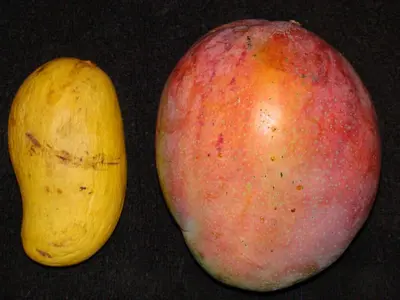
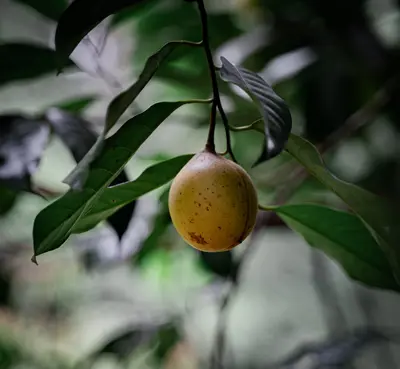
a fruit from a tree

Alphonso Mango

1460-1825dModerate to difficultHeirloomContainer

Known as the 'King of Mangoes,' this legendary variety from India produces incredibly sweet, creamy fruits with virtually no fiber and an intoxicating floral aroma. Considered by many to be the world's finest mango, Alphonso commands premium prices in markets but can be grown successfully in containers in warm climates. The ultimate tropical fruit for discerning gardeners seeking exceptional flavor.

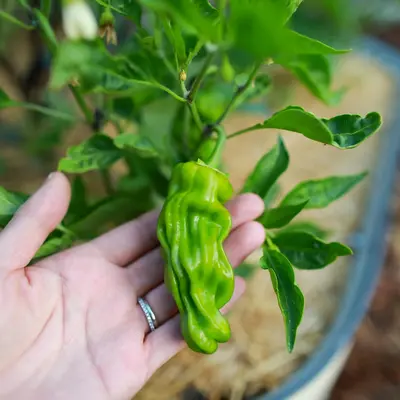
green bell pepper on persons hand

Big Bertha Bell Pepper

75-80dEasyContainer

A massive sweet bell pepper that produces enormous 7-inch long fruits weighing up to 10 ounces each. This reliable hybrid delivers exceptional yields of thick-walled, sweet peppers that are perfect for stuffing or fresh eating. Big Bertha's impressive size and consistent performance make it a favorite among gardeners who want to grow show-stopping peppers.

black and brown flower bud

Black Pearl Ornamental Pepper

70-80dEasyContainer

A stunning ornamental pepper that doubles as an edible variety, featuring jet-black foliage, purple flowers, and small round peppers that ripen from black to red. This compact plant creates a dramatic focal point in containers or garden beds while producing fiery hot peppers perfect for hot sauce making. Winner of the All-America Selections award for its exceptional ornamental value and garden performance.

Lush green foliage with small white flowers.

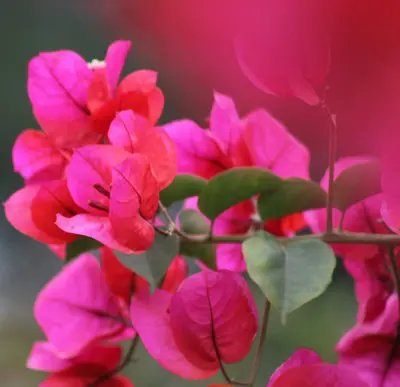
Bougainvillea Spectabilis

EasyContainer

A stunning tropical vine that creates breathtaking displays of vibrant papery bracts in brilliant magenta-purple that many mistake for flowers. This hardy climber can transform any fence, trellis, or wall into a spectacular living artwork that blooms almost year-round in warm climates. Despite its exotic appearance, it's surprisingly drought-tolerant once established and thrives with minimal care.

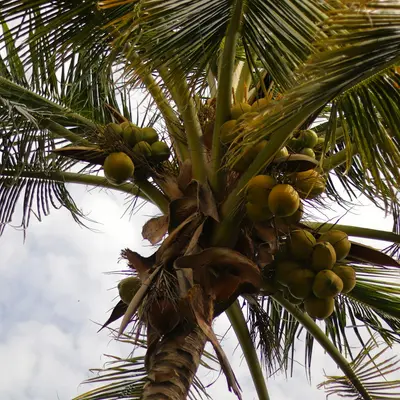
A coconut palm tree with green coconuts.

Breadfruit Ma'afala

1095-1460dModerate to DifficultHeirloom

A premium Polynesian breadfruit variety that produces enormous, starchy fruits perfect for roasting, baking, or frying as a potato substitute with incredible nutritional value. This seedless variety is prized for its smooth texture and mild, slightly sweet flavor that takes on the taste of whatever seasonings you use. A single mature tree can feed a family year-round with its prolific fruiting habit.

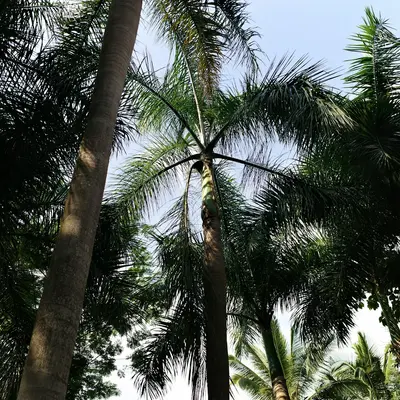
a couple of palm trees that are next to each other

Dwarf Coconut Palm

2190-2555dDifficultHeirloomContainer

A compact version of the classic coconut palm that brings tropical paradise to smaller spaces while still producing full-sized, delicious coconuts. These palms start fruiting much earlier than tall varieties and are perfect for patios, poolside plantings, or tropical landscape focal points. The authentic taste of fresh coconut water and meat makes the wait worthwhile.

A butterfly rests on a vibrant red flower.

Fish Pepper

70-80dEasy to moderateContainer

Initial color is lime green, turning to golden yellow when ripe. Excellent, sweet flavor. Medium-large fruits are mostly 3-lobed and slightly elongated.

a close-up of some plants

Ginger Hawaiian

120-300dEasyHeirloomContainer

A superior ginger variety known for its exceptional flavor intensity and beautiful pink-tinged shoots that make it as ornamental as it is culinary. This variety produces thick, juicy rhizomes with less fiber than common ginger, making it perfect for fresh use in cooking and the spicy bite that ginger lovers crave. Easy to grow indoors or out, and you can harvest baby ginger in just 4 months.

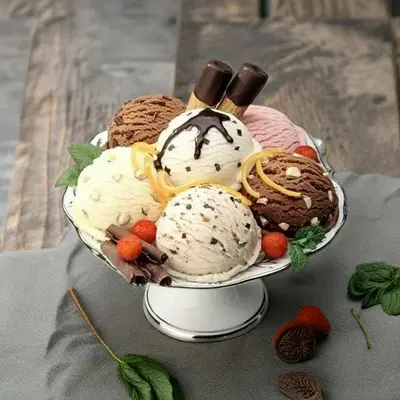
a bowl of ice cream and cookies on a table

Ice Cream Bean

90dEasy to moderateHeirloom

Large 2" blossoms in bright, clear colors of red, purple, mauve, pink, blue, and white. Blooms over a long period with exceptional fragrance. Can be spelled either as sweet pea or sweetpea. Attracts hummingbirds.

a plant with red and yellow flowers in a garden

Sugar Apple Gefner

90-120dModerateContainer

A superior Israeli-bred sugar apple variety that produces large, consistently sweet fruit with minimal seeds and exceptional creamy texture. The heart-shaped, scaly green fruits reveal snow-white, custard-like flesh that tastes like a blend of vanilla, coconut, and tropical sweetness. This compact tree is perfect for containers and produces fruit much faster than seedling varieties, often fruiting within 2-3 years.

a plant with red and yellow flowers in a garden

Tommy Atkins Mango

100-130dModerateContainer

The most widely recognized mango variety in North America, prized for its reliable production and excellent shipping qualities. This vigorous grower produces large, colorful fruits with a classic mango flavor that appeals to both beginners and mango enthusiasts. Tommy Atkins is the perfect introduction to homegrown tropical fruit with its forgiving nature and consistent harvests.

a close up of a flower on a plant

Wonderful Pomegranate

180-240dEasyContainer

California's most celebrated pomegranate variety, producing large fruits packed with deep red, incredibly sweet-tart arils. This vigorous variety offers stunning orange-red fall foliage and showy orange flowers, making it as ornamental as it is productive. Cold-hardy enough for many temperate regions.

Zone 9 Growing Tips for California

Start your warm-season tropical plants indoors 6-8 weeks before your last frost date (so early January for most Zone 9 areas), but don't rush to transplant outside. Even though your average last frost is February 15th, wait until soil temperatures consistently reach 65°F and nighttime lows stay above 50°F - typically late March to early April. Tropical plants sulk in cool soil and can be set back for weeks by a late cold snap.

For perennial tropical plants like fruit trees and ornamentals, fall planting (September through early November) actually works better than spring in Zone 9. This gives roots time to establish before summer heat stress, and plants will be stronger going into their first winter. Always have a frost protection plan ready - lightweight row covers, Christmas lights, or even old bedsheets can mean the difference between a thriving plant and a dead one when temperatures drop into the high 20s.

Container growing is your secret weapon in Zone 9. Large pots allow you to move tender plants like dwarf bananas and young mango trees into protected areas during cold snaps, then back outside for maximum sun and heat. Use containers at least 20 gallons for small trees, and invest in plant caddies with wheels - you'll thank yourself when moving a large potted avocado tree to shelter.