Alphonso Mango
Mangifera indica 'Alphonso'
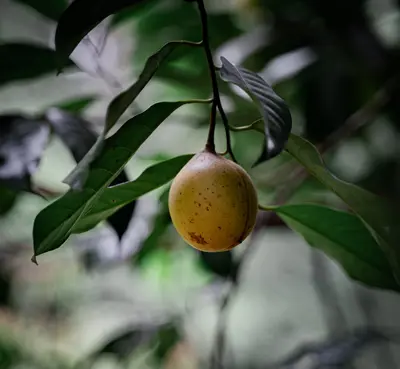
Known as the 'King of Mangoes,' this legendary variety from India produces incredibly sweet, creamy fruits with virtually no fiber and an intoxicating floral aroma. Considered by many to be the world's finest mango, Alphonso commands premium prices in markets but can be grown successfully in containers in warm climates. The ultimate tropical fruit for discerning gardeners seeking exceptional flavor.
Harvest
1460-1825d
Days to harvest
Sun
Full sun
Zones
8–11
USDA hardiness
Height
65 feet
Planting Timeline
Showing dates for Alphonso Mango in USDA Zone 11
All Zone 11 tropical →Zone Map
Click a state to update dates
Alphonso Mango · Zones 8–11
Growing Details
Complete Growing Guide
Mango trees thrive in tropical and subtropical areas. Mature trees can withstand air temperatures as low as 25°F for a few hours with leaf damage, while young trees may be killed at 29-30°F. Plant in full sun in well-drained soil. Mangos adapt to many soil types including light sand and limestone but perform poorly in poorly drained soils. In flood-prone areas, plant on a large mound 2-3 ft high by 4-6 ft in diameter. Water new trees every other day for the first week, then 1-2 times weekly for a couple months. Mature trees do not need frequent watering — overwatering may cause poor quality fruit and trees to decline. Apply fertilizer every 2-3 months for young trees (6-6-6-2 formulation). Mature trees need reduced nitrogen and increased potash (6-3-16 formulation). On calcareous soils, apply annual foliar sprays of copper, zinc, manganese, and boron. Maintain a grass-free area 2-5 ft around trunk. Apply 2-6 inches of mulch, kept 8-12 inches from the trunk. Source: UF/IFAS Extension. Alphonso is an Indian-type monoembryonic variety prized for its rich flavor and minimal fiber. As an Indian type, it is susceptible to anthracnose in humid climates. Source: UF/IFAS Extension.
Harvesting
Flowering to maturity takes 100-150 days. Peak production occurs June-July, with fruits generally available May through September. Fruits ripen on the tree but are typically picked when firm and mature. Maturity indicators include: shoulders and nose broaden, slight color development, and flesh near seed changes from white to yellow. Mature fruits ripen 3-8 days after harvest at room temperature. Average yields of 4-6 bushels (220-330 lb) from mature grafted trees. Grafted trees begin bearing in 3-5 years. Source: UF/IFAS Extension.
Storage & Preservation
Alphonso mangoes are best stored at 13-15°C with 85-90% humidity in ventilated wooden crates or cardboard boxes to prevent moisture loss while allowing air circulation. At room temperature, ripe fruit remains fresh for 3-5 days; refrigeration extends shelf life to 10-14 days. For longer preservation, freezing is ideal—peel, pit, and slice the flesh, then freeze in airtight containers or vacuum-sealed bags for up to eight months without significant flavor degradation. Alternatively, the creamy flesh purees exceptionally well for freezing, making it perfect for smoothies and desserts. Drying concentrates the natural sugars and creates chewy strips that preserve for months in airtight containers. Canning as jam or nectar works well, though cooking times should be minimized to preserve the delicate floral and honey notes. A technique unique to Alphonso is freezing the whole, unpeeled fruit at peak ripeness—simply thaw slightly and scoop the softened flesh directly from the skin, intensifying the creamy texture.
History & Origin
Mangos originated in the Indo-Burma region and have been cultivated in India for over 4,000 years. They reached Florida in 1833 at Cape Sable. Indian-type mangos (monoembryonic seeds, highly colored, anthracnose-susceptible) include Haden, Tommy Atkins, and Kent. Indochinese types (polyembryonic seeds, green/yellow, anthracnose-resistant) include Nam Doc Mai and Carabao. Trees are propagated via veneer-grafting, cleft-grafting, or chip-budding. Common rootstocks include 'Turpentine' and unnamed criollo-types. Source: UF/IFAS Extension. The Alphonso cultivar originated in the Konkan region of western India and is named after Afonso de Albuquerque, a Portuguese general.
Advantages
- +Produces exceptionally sweet, creamy fruit with virtually no fiber
- +Renowned worldwide as the finest mango variety with premium market value
- +Intoxicating floral aroma makes Alphonso highly prized by fruit connoisseurs
- +Successfully grown in containers for warm climate gardeners
- +Bears fruit after 4-5 years with proper care and conditions
Considerations
- -Highly susceptible to anthracnose and bacterial black spot diseases
- -Requires moderate to difficult growing expertise and precise climate conditions
- -Vulnerable to multiple pests including mango weevil, scale insects, and thrips
- -Demands consistent warm temperatures and is not cold-hardy
Companion Plants
The best companions for Alphonso mango tend to be plants that either tolerate the partial shade cast by the tree's spreading canopy or fill space productively without competing hard at the root zone. Sweet potato works well as a living ground cover directly under the drip line — it suppresses weeds, keeps soil temperature down through summer, and its shallow runners don't fight the mango's deep anchor roots. Lemongrass planted around the perimeter does double duty: it deters some insects (thrips in particular seem to avoid it) and its dense clumping root mass provides a modest windbreak for young trees still developing their structure. Marigolds (Tagetes erecta, not the small French type) planted in open gaps release alpha-terthienyl from their roots, which suppresses root-knot nematodes — a real concern in the sandy loam soils common around here in the southeast.
Banana and papaya make decent mid-distance companions because both share the mango's preference for a pH between 5.5 and 7.0 and similar irrigation needs. Their faster growth can also provide temporary wind protection while a young Alphonso spends its first 3–4 years putting down roots before it produces anything. Neem tree is a traditional pairing in South Asian kitchen gardens for good reason — pressed neem seed oil is also one of your better organic options for managing scale insect outbreaks on the mango itself, so keeping a tree nearby means you've got a seed source on hand.
Black Walnut is the one to plant nowhere near this tree. It produces juglone, an allelopathic compound that leaches through the soil and disrupts root function; Mangifera indica is sensitive enough that you want at least 50 feet of separation. Large oaks aren't chemically harmful, but their canopy spread and aggressive surface roots pull water and nutrients from the margins — which matters most in years 1 through 4 when a young mango is still competing to establish itself.
Plant Together
Coconut Palm
Provides complementary canopy structure and shares similar water requirements
Curry Leaf Plant
Repels fruit flies and adds nitrogen to soil through leaf drop
Lemongrass
Deters mosquitoes and other flying pests that affect mango trees
Marigold
Repels nematodes and aphids while attracting beneficial insects
Papaya
Similar growth requirements and attracts pollinators without competing for nutrients
Banana
Provides wind protection and mulch from fallen leaves, shares similar tropical conditions
Sweet Potato
Ground cover that suppresses weeds and doesn't compete with shallow mango roots
Neem Tree
Natural pest deterrent that protects against mango pests like hoppers and scale insects
Keep Apart
Black Walnut
Produces juglone which is toxic to many fruit trees including mango
Eucalyptus
Allelopathic properties inhibit growth and competes aggressively for water
Large Oak Trees
Heavy shade reduces fruit production and root competition affects mango growth
Nutrition Facts
Per 100g serving. % Daily Value based on 2,000 calorie diet. Source: USDA FoodData Central (FDC #169910)
Pests & Disease Resistance
Resistance
Susceptible to anthracnose and powdery mildew
Common Pests
Mango weevil, scale insects, fruit flies, thrips
Diseases
Anthracnose, powdery mildew, bacterial black spot
Troubleshooting Alphonso Mango
What you'll see, why it happens, and what to do about it.
Black or brown sunken lesions on fruit skin, sometimes with a dark coating that spreads in wet weather
Likely Causes
- Anthracnose (Colletotrichum gloeosporioides) — the most common mango disease in humid climates, spreads rapidly during flowering and fruit set
- Extended periods of rain or overhead irrigation keeping the canopy wet
What to Do
- 1.Apply copper-based fungicide (copper hydroxide) at bud break and again every 10–14 days through fruit set
- 2.Prune the canopy after harvest to open airflow — on a 65-foot tree, prioritize the lower 15–20 feet you can actually reach
- 3.Avoid wetting the foliage when irrigating; drip or basin irrigation at the root zone is better than sprinklers
White powdery coating on new flower panicles and young leaves, often appearing in late winter before fruit sets
Likely Causes
- Powdery mildew (Oidium mangiferae) — thrives in warm days with cool, dry nights, which is exactly what a Georgia February delivers
- Dense canopy with poor airflow accelerating spore spread
What to Do
- 1.Spray wettable sulfur or potassium bicarbonate at first sign; repeat every 7–10 days while flowers are open
- 2.Do not apply sulfur when temps exceed 90°F — it will burn the tissue
- 3.If the panicle is heavily coated before opening, remove and bag it; infected flowers rarely set fruit worth keeping
Small, raised dark spots with yellow halos on leaves and fruit, sometimes causing fruit to crack or weep sap
Likely Causes
- Bacterial black spot (Xanthomonas campestris pv. mangiferaeindicae) — enters through wounds and stomata, spreads in wind-driven rain
- Thrips feeding damage creating entry points for bacteria
What to Do
- 1.Copper-based sprays suppress spread but won't cure existing infections — start preventively before the rainy season
- 2.Scout for thrips (Scirtothrips dorsalis) on new growth and treat with spinosad if counts are high, since their feeding wounds are a direct invitation for Xanthomonas
- 3.Remove and destroy heavily infected branches; sterilize pruning tools with 70% isopropyl alcohol between cuts
Fruit drops prematurely, or mature fruit has a small round hole with grub damage inside when cut open
Likely Causes
- Mango weevil (Sternochetus mangiferae) — adult lays eggs in young fruit; larvae bore into the seed and sometimes the flesh
- Oriental fruit fly (Bactrocera dorsalis) — lays eggs just under the skin; larvae cause internal rot and early drop
What to Do
- 1.For fruit flies, hang protein bait traps (GF-120 NatureFly or similar) in the canopy starting when fruit reaches golf-ball size
- 2.Bag individual fruit clusters with fine mesh or paper bags after fruit set — labor-intensive on a large tree, but effective for prized Alphonso fruit
- 3.Collect and destroy all dropped fruit immediately; leaving it on the ground gives both the weevil and the fly a free breeding site
Frequently Asked Questions
How long does it take to grow Alphonso mango from seed to fruit?▼
Can you grow Alphonso mango in containers?▼
Is Alphonso mango good for beginner gardeners?▼
What does Alphonso mango taste like compared to other varieties?▼
What are the main pests that affect Alphonso mango trees?▼
What soil and sunlight does Alphonso mango need?▼
Zone-by-Zone Planting Calendar
Growing Guides from Wind River Greens
Sources & References
External authority sources used in compiling this guide.
See the Methodology page for how this data is sourced, what's AI-assisted, and known limitations.