Zone 4 Coverage
Planting Timeline — All Varieties
Growing Tropical Plants in Zone 4
Zone 4 presents unique challenges for tropical plant enthusiasts, but with the right varieties and techniques, you can successfully grow exotic plants despite harsh winters and a relatively short growing season. The key is selecting fast-maturing varieties and plants that can thrive in containers, allowing you to move them indoors when temperatures drop. While you'll need to think beyond traditional outdoor gardening, Zone 4's warm summers provide excellent growing conditions once the danger of frost passes.
The secret to tropical gardening in Zone 4 lies in choosing varieties that either produce quickly during the growing season or can transition seamlessly between indoor and outdoor environments. Heat-loving plants like habaneros and Thai basil will flourish during your warm months, while container-friendly options like dwarf fruit trees can overwinter indoors and continue producing year-round. Focus on compact varieties, early producers, and plants that adapt well to pot culture – these characteristics make all the difference between success and disappointment in your climate.
Our curated selection includes proven performers that have demonstrated success in Zone 4 conditions. From fast-setting tomatoes like Early Girl to compact fruit trees like Dwarf Cavendish Banana, these varieties are specifically chosen for their ability to either complete their growing cycle within your 135-day season or transition gracefully to indoor growing when winter arrives.
Variety Comparison
| Variety ↑ | Days | Difficulty |
|---|---|---|
| Big Bertha Bell Pepper | 75-80 | Easy |
| Ice Cream Bean | 90 | Easy to moderate |
Variety Details
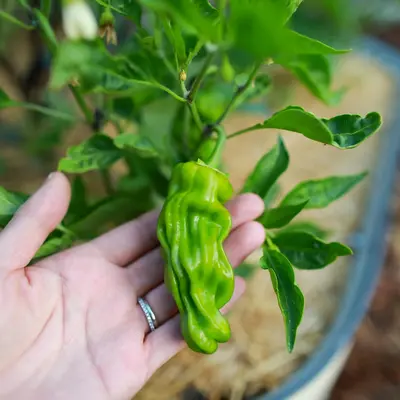
Big Bertha Bell Pepper
A massive sweet bell pepper that produces enormous 7-inch long fruits weighing up to 10 ounces each. This reliable hybrid delivers exceptional yields of thick-walled, sweet peppers that are perfect for stuffing or fresh eating. Big Bertha's impressive size and consistent performance make it a favorite among gardeners who want to grow show-stopping peppers.

Ice Cream Bean
The Ice Cream Bean is a tropical heirloom tree producing elongated, pod-like fruits that ripen in approximately 90 days. The pods contain soft, creamy white pulp with a remarkable vanilla ice cream flavor and distinctive cotton candy texture that dissolves on the tongue. Native to Central and South America, this tree thrives in full sun with rich, well-draining soil. The defining characteristic is its unique taste profile—neither truly fruit nor dessert—making it a novelty choice for tropical gardens. Remarkably pest-resistant and easy to grow, it's prized by enthusiasts seeking unusual, conversation-starting tropical varieties.
Zone 4 Growing Tips
Start most tropical seeds indoors 6-8 weeks before your last frost date (around mid-March for a May 10th transplant date), using heat mats to maintain the warm soil temperatures these plants crave. For peppers, tomatoes, and herbs, aim to have sturdy seedlings ready to transplant outdoors by late May when soil has thoroughly warmed. Don't rush this timing – cold soil will stunt tropical plants more severely than temperate varieties, potentially costing you weeks of growing time.
Container growing is your best friend in Zone 4 tropical gardening. Use large pots (minimum 15-20 gallons for fruit trees) with high-quality potting mix, and position them where you can easily move plants indoors before the first frost in late September. For plants like dwarf mangoes and papayas, plan your indoor overwintering space early – they'll need bright light and consistent temperatures above 60°F. Consider investing in grow lights and a small space heater for your plant room.
Season extension techniques are crucial for maximizing your harvest window. Use row covers or cold frames to protect plants during unexpected cool snaps, and consider portable greenhouses for the most tender specimens. For fruiting plants like avocados and guavas, hand-pollination may be necessary since natural pollinators might not be familiar with these exotic blooms in your region.
Season Overview
Your growing season runs approximately from May 10th through September 25th – just 135 days of frost-free weather. This compressed timeline means every week counts, making variety selection critical. Early-producing varieties like Early Girl tomatoes and fast-maturing peppers are essential, while longer-season fruits like mangoes and avocados will need to finish ripening indoors. Plan your transition to indoor growing by early September, giving plants time to acclimate before heating systems kick in and indoor humidity drops.