Zone 6 Coverage
Planting Timeline — All Varieties
Growing Tropical Plants in Zone 6
Zone 6 presents a fascinating opportunity for tropical gardening, despite its challenging frost dates. With an average last frost around April 15 and first frost by October 15, you get roughly 180 frost-free days—just enough to coax fruit from many tropical varieties if you choose wisely. The key is selecting plants that can handle cooler soil temperatures and make the most of your limited season. Zone 6 gardeners have a real advantage in summer heat, often reaching temperatures that rival tropical regions, but the shortened season means focusing on fast-maturing varieties and early-ripening cultivars. Many tropical plants that struggle in cooler zones can actually thrive here with proper timing and variety selection. The secret lies in understanding which varieties can handle the temperature swings and shorter photoperiod while still delivering the exotic flavors and stunning ornamental value you're after.
Variety Comparison
| Variety ↑ | Days | Difficulty |
|---|---|---|
| Big Bertha Bell Pepper | 75-80 | Easy |
| Ice Cream Bean | 90 | Easy to moderate |
Variety Details
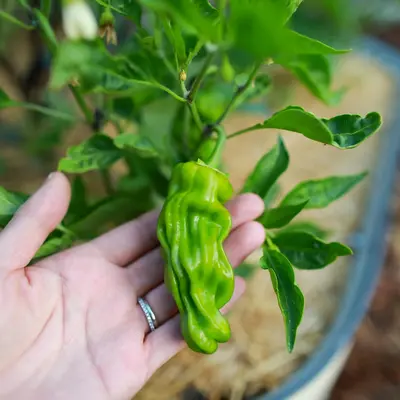
Big Bertha Bell Pepper
A massive sweet bell pepper that produces enormous 7-inch long fruits weighing up to 10 ounces each. This reliable hybrid delivers exceptional yields of thick-walled, sweet peppers that are perfect for stuffing or fresh eating. Big Bertha's impressive size and consistent performance make it a favorite among gardeners who want to grow show-stopping peppers.

Ice Cream Bean
The Ice Cream Bean is a tropical heirloom tree producing elongated, pod-like fruits that ripen in approximately 90 days. The pods contain soft, creamy white pulp with a remarkable vanilla ice cream flavor and distinctive cotton candy texture that dissolves on the tongue. Native to Central and South America, this tree thrives in full sun with rich, well-draining soil. The defining characteristic is its unique taste profile—neither truly fruit nor dessert—making it a novelty choice for tropical gardens. Remarkably pest-resistant and easy to grow, it's prized by enthusiasts seeking unusual, conversation-starting tropical varieties.
Zone 6 Growing Tips
Start your tropical seeds indoors 6-8 weeks before your last frost date—aim for early March for most varieties. This gives plants like tomatoes, peppers, and herbs a crucial head start before transplanting after May 1st when soil temperatures stabilize above 60°F. For heat-loving crops like habaneros and ornamental peppers, wait until late May when nighttime temperatures consistently stay above 55°F. Container growing is your best friend in Zone 6, allowing you to move tender plants like dwarf fruit trees and banana plants to protected areas or indoors when temperatures drop. Use black plastic mulch or row covers to extend your season—you can often push harvest dates into November with proper protection. The biggest challenge you'll face is getting enough accumulated heat units for long-season crops like mangoes and avocados, so focus on dwarf varieties and consider supplemental heating in shoulder seasons.
Season Overview
Your 180-day growing window from mid-April to mid-October is actually longer than many tropical regions' dry seasons, but the cooler spring and fall temperatures require strategic planning. Start hardening off transplants in early May, but keep row covers handy for unexpected late cold snaps. Peak growing occurs from June through August when your zone rivals tropical temperatures. Many short-season varieties like Thai basil and early tomatoes will give you multiple harvests, while longer-season crops like papayas and dwarf bananas benefit from being moved to a sunny, protected location by late September to extend ripening time.