Dwarf Coconut Palm
Cocos nucifera var. nana
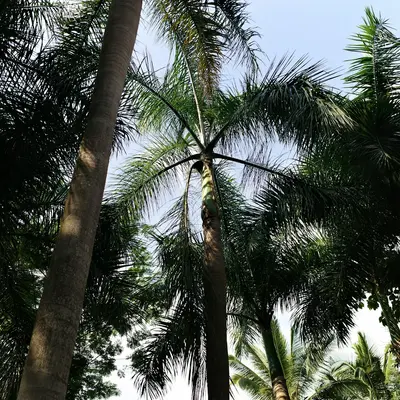
A compact version of the classic coconut palm that brings tropical paradise to smaller spaces while still producing full-sized, delicious coconuts. These palms start fruiting much earlier than tall varieties and are perfect for patios, poolside plantings, or tropical landscape focal points. The authentic taste of fresh coconut water and meat makes the wait worthwhile.
Harvest
2190-2555d
Days to harvest
Sun
Full sun
Zones
8–12
USDA hardiness
Height
60 feet
Planting Timeline
Showing dates for Dwarf Coconut Palm in USDA Zone 11
All Zone 11 tropical →Zone Map
Click a state to update dates
Dwarf Coconut Palm · Zones 8–12
Growing Details
Complete Growing Guide
Growing Dwarf Coconut Palm (Cocos nucifera var. nana) tropical. Light: Full sun (6+ hours). Hardy in USDA zones 8 to 12. Days to maturity: 2190-2555. Difficulty: Difficult. Heirloom — open-pollinated, save seeds for next year. Disease resistance: Generally disease resistant but susceptible to lethal yellowing.
Harvesting
Dwarf Coconut Palms are ready for harvest when their husks transition from green to golden-brown or tan, and the coconuts feel noticeably heavy for their size, indicating substantial water and meat development. Unlike single-harvest varieties, these palms produce continuously throughout the growing season once mature, allowing you to pick ripe coconuts every few weeks rather than waiting for one major harvest. For optimal sweetness and yield, harvest when the husk has fully changed color but before it becomes overly fibrous and dry; this typically occurs 12-14 months after flowering. Cut coconuts with a sharp machete or saw, working safely from the ground using a pole harvester if the fruits remain high on the compact canopy, and store mature coconuts in a cool location where they'll remain viable for several weeks.
This is an ornamental variety — not grown for harvest. Enjoy in the garden landscape.
Storage & Preservation
Freshly harvested dwarf coconut fruits store best at room temperature (68–75°F) in a well-ventilated space with moderate humidity, ideally in breathable crates or mesh bags to prevent moisture accumulation and mold. Whole, unopened nuts remain fresh for 4–6 weeks; once cracked, the meat keeps 3–5 days refrigerated in an airtight container. Extract and freeze coconut water in ice cube trays for up to three months, or freeze shredded meat in portions for six months. Dried coconut chips preserve excellently in airtight jars for several months and work well for cooking and oil extraction. For longer-term storage, ferment fresh meat with salt to create a tangy preservative that keeps for months. The dwarf variety's thinner shell means faster water loss than standard varieties, so prioritize using the water within 1–2 days of harvest for optimal sweetness and texture.
History & Origin
Dwarf Coconut Palm (Cocos nucifera var. nana) is a cultivar grown commercially. See category-level varieties for general species history and origin information.
Advantages
- +Heirloom variety — open-pollinated, save seeds for next year
- +Container-friendly — grows well in pots
- +Disease resistance: Generally disease resistant but susceptible to lethal yellowing
Considerations
- -Advanced — requires experienced gardener
- -Long season — needs 2190-2555 days to mature
Companion Plants
Lemongrass planted 3–4 feet from the trunk base does double duty: its dense root mat suppresses weeds and its volatile oils confuse some pest insects, yet it doesn't compete seriously with the palm's deep taproot for water. Hibiscus, Bougainvillea, and Plumeria fill the mid-canopy visual space around the palm without shading it, and none share Cocos nucifera's major pathogens. Black Walnut and Eucalyptus are the ones to plant nowhere near your palms — Black Walnut releases juglone, which disrupts root uptake in many species, while Eucalyptus pulls soil moisture hard enough during dry periods to push a palm into stress it didn't need.
Plant Together
Hibiscus
Attracts beneficial pollinators and provides wind protection without competing for nutrients
Bougainvillea
Acts as natural pest deterrent and provides colorful ground cover without root competition
Lemongrass
Repels mosquitoes and other insects while thriving in similar tropical conditions
Bird of Paradise
Compatible water and nutrient needs, adds vertical interest without crowding palm canopy
Croton
Tolerates partial shade from palm fronds and adds colorful foliage contrast
Caladium
Thrives in dappled shade under palm canopy and helps retain soil moisture
Ti Plant
Similar cultural requirements and helps create beneficial microclimate
Plumeria
Compatible root systems and both benefit from well-draining tropical soil
Keep Apart
Black Walnut
Produces juglone which is toxic to palms and inhibits root development
Eucalyptus
Allelopathic compounds in leaves suppress growth of nearby plants including palms
Pine Trees
Acidify soil excessively and compete aggressively for water and nutrients
Nutrition Facts
Per 100g serving. % Daily Value based on 2,000 calorie diet. Source: USDA FoodData Central (FDC #170169)
Pests & Disease Resistance
Resistance
Generally disease resistant but susceptible to lethal yellowing
Common Pests
Coconut mites, palm weevils, scale insects, rhinoceros beetles
Diseases
Lethal yellowing, bud rot, trunk rot, leaf spot
Troubleshooting Dwarf Coconut Palm
What you'll see, why it happens, and what to do about it.
Older fronds turning yellow from the bottom of the canopy upward, sometimes with a foul smell at the base of the trunk
Likely Causes
- Lethal yellowing phytoplasma — transmitted by the planthopper Myndus crudus, widespread in tropical zones
- Potassium deficiency — common in sandy soils where K leaches out fast
What to Do
- 1.If you suspect lethal yellowing, contact your local extension office immediately — there's no cure once it's systemic, but trunk-injected oxytetracycline HCl can slow spread in early-stage trees
- 2.Rule out potassium first: apply a palm-specific slow-release fertilizer with a 3-1-3 (N-P-K) ratio and added magnesium, 4 times per year
- 3.Remove and destroy any confirmed lethal yellowing trees promptly to reduce the phytoplasma reservoir for neighboring palms
Spear leaf (the newest, unopened frond) is rotting, brown, and pulling out easily — sometimes with a sour or rotten odor
Likely Causes
- Bud rot (Phytophthora palmivora) — a water mold that thrives in waterlogged soil or after heavy rain events
- Rhinoceros beetle (Oryctes rhinoceros) damage that opens a wound the pathogen colonizes
What to Do
- 1.Cut out all visibly infected tissue with a sterile blade; if the growing point (meristem) is destroyed, the tree will not recover — palms have only one
- 2.Drench the bud area with a copper-based fungicide and improve drainage around the root zone immediately
- 3.Check the trunk base for rhinoceros beetle entry holes — pack any with a copper fungicide paste to close the vector pathway
Tiny russet-colored patches on developing nuts and distorted, bronzed new growth
Likely Causes
- Coconut mites (Aceria guerreronis) — near-microscopic eriophyid mites that feed under the perianth of developing fruits
- Scale insects (particularly Aspidiotus destructor, the coconut scale) colonizing fronds and husks
What to Do
- 1.For coconut mites, apply a wettable sulfur spray to developing nuts — repeat every 14 days during fruiting; hold off when temps exceed 90°F or you'll cause phytotoxicity
- 2.For scale, scrub light infestations off with a stiff brush and horticultural oil; heavy infestations on fronds may require a systemic insecticide labeled for palms
- 3.Inspect new nuts monthly — catching mite damage before it spreads across an entire bunch limits yield loss significantly
Frequently Asked Questions
How long does it take a dwarf coconut palm to produce coconuts?▼
Can you grow dwarf coconut palms in containers?▼
What does dwarf coconut taste like compared to regular coconut?▼
Is dwarf coconut palm good for beginners?▼
How do you know when a dwarf coconut is ripe for harvest?▼
What are the most common pests and diseases of dwarf coconut palms?▼
Zone-by-Zone Planting Calendar
Growing Guides from Wind River Greens
Sources & References
External authority sources used in compiling this guide.
- Bot. GardenMissouri Botanical Garden
- USDAUSDA FoodData Central
See the Methodology page for how this data is sourced, what's AI-assisted, and known limitations.