Hass Avocado
Persea americana 'Hass'
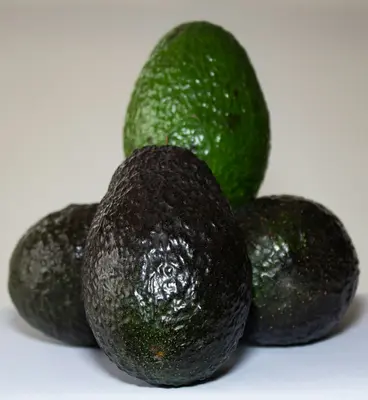
The world's most popular avocado variety, prized for its rich, creamy texture and nutty flavor. This California-bred cultivar produces consistent crops of medium-sized fruits with distinctive pebbly skin that turns from green to purplish-black when ripe. Perfect for guacamole, toast, and countless culinary applications.
Harvest
240-365d
Days to harvest
Sun
Full sun
Zones
10–12
USDA hardiness
Height
20-30 feet
Planting Timeline
Showing dates for Hass Avocado in USDA Zone 11
All Zone 11 tropical →Zone Map
Click a state to update dates
Hass Avocado · Zones 10–12
Growing Details
Complete Growing Guide
Height: Height: 30.00 to 60.00 feet. Spread: Spread: 20.00 to 30.00 feet. Sun: Sun: Full sun. Water: Water: Medium. Zones: Zone: 10 to 12. Bloom time: Bloom Time: Seasonal bloomer. Maintenance: Maintenance: Low.
Harvesting
Color: Brown/Copper, Green.
Garden value: Edible
Storage & Preservation
Harvest Hass avocados when they yield slightly to palm pressure; they'll mature off the tree. Store at 50–55°F with 85–90% humidity in ventilated boxes, checking daily as ripening accelerates in warmer conditions. Ripe fruit keeps 3–5 days refrigerated at 40°F before browning. For preservation, freezing works well: halve, pit, and pack in airtight containers with lemon juice to prevent oxidation, lasting up to three months. Alternatively, purée ripe flesh with citrus juice before freezing for smoothies and guacamole applications. Avoid canning due to low acidity and texture breakdown. Hass avocados are particularly prone to internal browning during storage, so monitor temperature fluctuations carefully—even brief exposure to cold below 40°F can trigger this disorder in otherwise perfect fruit.
History & Origin
Origin: Central America
Advantages
- +World's most popular variety ensures reliable market demand and consistent availability
- +Rich, creamy texture and nutty flavor make it ideal for premium culinary uses
- +Distinctive pebbly skin provides excellent visual appeal and natural protection during transport
- +Medium fruit size offers practical portion control and balanced yield efficiency
Considerations
- -Highly susceptible to root rot in poorly drained or waterlogged soil conditions
- -Requires consistent care and moderate to difficult cultivation expertise for optimal production
- -Vulnerable to multiple pest pressures including thrips, scale insects, and spider mites
Companion Plants
Citrus trees make practical neighbors — they share the same 6.0–7.0 pH range and deep-watering schedule, so you're not juggling two different irrigation regimes. Comfrey at the drip line earns its place differently: its taproot pulls calcium and potassium from 6 feet down, and chopping it back every few weeks gives you a ready-made mulch without buying a bag of anything. Nasturtiums and sweet alyssum pull in parasitic wasps that work against scale insects and spider mites — real, documented pest pressure on Hass. Keep black walnut at least 50–60 feet away; juglone, the allelopathic compound walnut roots release, is toxic to Persea americana specifically, and that's not a risk worth taking on a tree that needs 3–5 years to reach its first meaningful crop. For folks in the Southeast growing Hass in a container (zone 10–12 is the hard floor for in-ground planting), the same companion logic applies — pot a nasturtium nearby and tuck chives at the base.
Plant Together
Citrus trees
Share similar water and soil requirements, attract beneficial pollinators
Comfrey
Deep roots bring up nutrients, leaves make excellent mulch and compost
Nasturtiums
Trap crop for aphids and whiteflies, living mulch that suppresses weeds
Marigolds
Repel nematodes and other soil pests, attract beneficial insects
Lavender
Repels ants and other pests while attracting pollinators
Rosemary
Natural pest deterrent, drought-tolerant groundcover
Sweet alyssum
Attracts beneficial insects like lacewings and parasitic wasps
Chives
Repel aphids and improve soil health with shallow root system
Keep Apart
Black walnut
Produces juglone toxin that inhibits avocado growth and can cause root damage
Eucalyptus
Allelopathic compounds inhibit growth of nearby plants including avocados
Fennel
Strong allelopathic effects that can stunt avocado tree development
Nutrition Facts
Per 100g serving. % Daily Value based on 2,000 calorie diet. Source: USDA FoodData Central (FDC #171706)
Pests & Disease Resistance
Resistance
Moderate resistance to most diseases
Common Pests
Avocado thrips, scale insects, spider mites
Diseases
Root rot, anthracnose, avocado scab
Troubleshooting Hass Avocado
What you'll see, why it happens, and what to do about it.
Leaf tips and edges browning, with small silvery streaks or scarring on new growth
Likely Causes
- Avocado thrips (Scirtothrips perseae) — rasping feeding damage on tender young leaves
- Low humidity combined with hot, dry winds stressing the canopy
What to Do
- 1.Inspect the undersides of new leaves with a hand lens; if you see tiny straw-colored insects, apply spinosad-based spray in the early morning
- 2.Avoid overhead irrigation that blasts new growth — deep water at the root zone instead
- 3.Reflective mulch under the canopy can reduce thrips pressure by confusing their approach to the tree
Wilting despite moist soil, with roots appearing brown, waterlogged, and soft when dug up
Likely Causes
- Phytophthora cinnamomi root rot — a water mold that thrives in poorly drained, saturated soil
- Planting in heavy clay without amendment, or in a low spot that pools after rain
What to Do
- 1.Cut back irrigation immediately — deep water no more than once per week until drainage improves
- 2.Pull back any mulch from the trunk base; keep at least a 6-inch clear zone to reduce moisture at the crown
- 3.UC Cooperative Extension recommends phosphonate fungicide applications (fosetyl-Al) on trees showing early symptoms — not a cure, but it slows Phytophthora progression and can extend the life of a tree you'd otherwise lose
Dark, sunken lesions on fruit skin near harvest, often spreading into the flesh after picking
Likely Causes
- Anthracnose (Colletotrichum gloeosporioides) — a fungal infection that enters during wet weather but often doesn't show until fruit ripens off the tree
- Fruit left on the tree past 365 days, or physical wounds from wind-rubbing branches
What to Do
- 1.Harvest on the early end of the window (around day 240–270) and let fruit ripen indoors — this limits the time Colletotrichum has to advance into the flesh
- 2.Prune crossing branches to cut down on wind-rub wounds and open the canopy for airflow
- 3.Apply copper-based fungicide spray during bloom and again after fruit set, following label rates — bloom and early fruit set are the windows that matter most for anthracnose prevention
Frequently Asked Questions
How long does it take to grow a Hass avocado from seed to harvest?▼
Is Hass avocado a good choice for beginners?▼
Can you grow Hass avocados in containers?▼
What does Hass avocado taste like?▼
How much sun do Hass avocado trees need?▼
What soil conditions do Hass avocados prefer?▼
Zone-by-Zone Planting Calendar
Growing Guides from Wind River Greens
Sources & References
External authority sources used in compiling this guide.
- ExtensionNC State Extension
- Bot. GardenMissouri Botanical Garden
- USDAUSDA FoodData Central
See the Methodology page for how this data is sourced, what's AI-assisted, and known limitations.