Best Berries & Fruits to Grow in Alaska
Alaska spans USDA Zones 1–8, typically Zone 3. We've broken out 37 berry varieties by zone — pick your zone below or find the right varieties for your specific part of the state.
Varieties
37
for Alaska
USDA
Zones 1–8
55–240 days season
Beginner
10
easy to grow
Heirloom
3
heritage varieties
Alaska in USDA Zones 1–8
Alaska spans Zones 1–8. Variety lists below are organized by zone — start with your zone for the most accurate recommendations.
Growing Berries & Fruits in Alaska
Zone 3 presents unique challenges for berry growers, with brutal winter temperatures dropping as low as -40°F and a relatively short growing season. However, this harsh climate actually creates ideal conditions for many cold-hardy berry varieties that require significant winter chill hours to produce their best fruit. The key to success lies in selecting varieties specifically bred for northern climates and understanding that while your growing window is compressed, the intense summer daylight hours and cool nights often produce exceptionally flavorful, concentrated fruit.
When choosing berry varieties for Zone 3, prioritize cold hardiness above all else, followed by early ripening characteristics that can mature within your 120-day growing season. Look for cultivars developed in northern breeding programs – varieties like Northland Blueberry and Honeyberry (Haskap) were specifically created to thrive in your climate. These selections not only survive your winters but actually benefit from the extended cold period, emerging stronger and more productive than they would in milder zones.
The varieties recommended here have proven track records in Zone 3 conditions, offering reliable harvests despite temperature extremes. Many, like Heritage Red Raspberry and Ozark Beauty Strawberry, provide extended harvest periods to maximize your short season, while others like Honeyberry fruit extremely early, giving you fresh berries when most other fruits are still flowering. With proper variety selection and timing, Zone 3 gardeners can enjoy abundant berry harvests that rival any warmer climate.
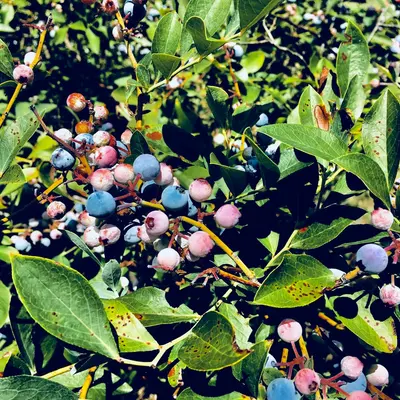
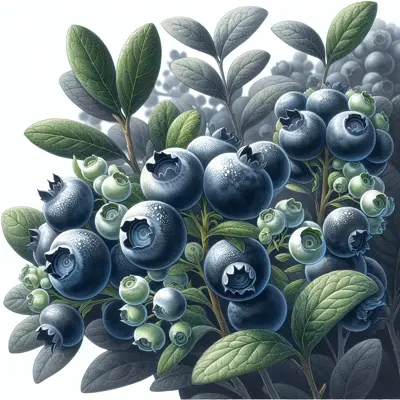
Zone 3 Berries & Fruits for Alaska★ Most of AK
16 varieties · Last frost May 15 · 120-day season
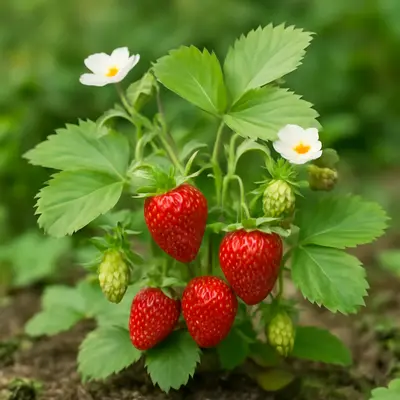
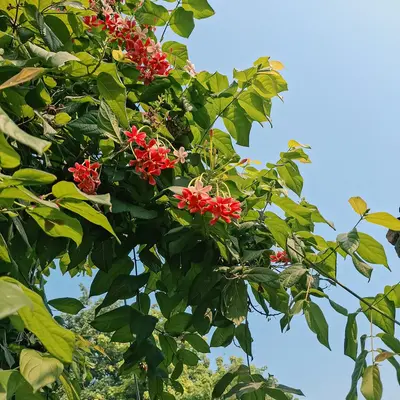
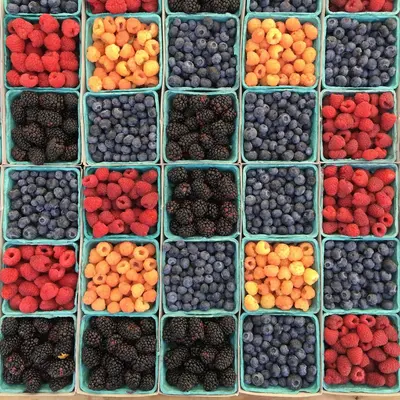
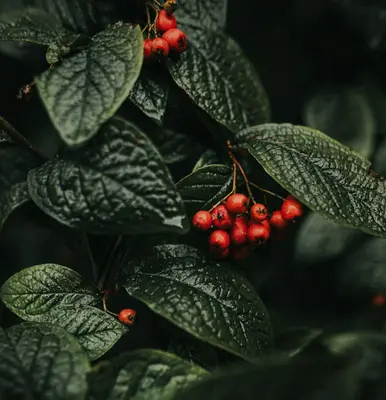
Zone 2 Berries & Fruits for Alaska
1 variety · Last frost June 1 · 85-day season
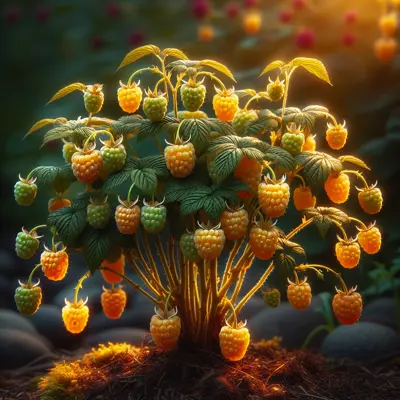
Zone 4 Berries & Fruits for Alaska
27 varieties · Last frost May 10 · 135-day season
Zone 1 Berries & Fruits for Alaska
1 variety · Last frost June 15 · 55-day season
Zone 5 Berries & Fruits for Alaska
29 varieties · Last frost April 30 · 155-day season
Zone 6 Berries & Fruits for Alaska
35 varieties · Last frost April 15 · 180-day season
Zone 7 Berries & Fruits for Alaska
36 varieties · Last frost April 1 · 210-day season
Zone 8 Berries & Fruits for Alaska
35 varieties · Last frost March 15 · 240-day season
Zone 3 Growing Tips for Alaska
Plant your berry bushes and canes in late spring after soil temperatures consistently reach 50°F, typically late May to early June in Zone 3. While you might be tempted to plant immediately after your May 15th average last frost, berry plants benefit from truly settled soil conditions. For strawberries, you can plant slightly earlier in mid to late May since they're more cold-tolerant at establishment. Choose the warmest, most protected spots in your garden – south-facing slopes or areas near buildings that provide wind protection and heat reflection.
Season extension becomes critical with your short growing window. Use row covers, cold frames, or hoop tunnels to protect plants during unexpected late spring frosts and to extend your harvest into early October. Mulch heavily around all berry plants before winter – 4-6 inches of straw or leaves will protect shallow strawberry crowns and insulate the root zones of bush fruits. For cane berries like raspberries and blackberries, consider laying canes down and covering them in areas where winter temperatures regularly hit -30°F or below.
The biggest challenge you'll face is getting everbearing varieties to produce their fall crop before your September 15th frost date. Focus on day-neutral strawberries like Albion and Seascape, which fruit continuously rather than in distinct flushes, and choose early-ripening cultivars whenever possible. Start with certified disease-free plants from reputable northern nurseries – your short season leaves no room for recovery from setbacks caused by diseased or weak stock.