Best Berries & Fruits to Grow in Alabama
Alabama spans USDA Zones 7–9, typically Zone 8. We've broken out 36 berry varieties by zone — pick your zone below or find the right varieties for your specific part of the state.
Varieties
36
for Alabama
USDA
Zones 7–9
210–290 days season
Beginner
10
easy to grow
Heirloom
3
heritage varieties
Alabama in USDA Zones 7–9
Alabama spans Zones 7–9. Variety lists below are organized by zone — start with your zone for the most accurate recommendations.
Growing Berries & Fruits in Alabama
Zone 8 offers berry growers an enviable 240-day growing season that runs from mid-March through mid-November – long enough to support both early and late-season varieties, plus everbearing types that produce multiple harvests. The moderate climate creates excellent conditions for most berry crops, though the extended warm periods can stress some northern varieties and increase pest pressure during summer months. Your biggest advantages are the ability to grow heat-tolerant southern varieties alongside carefully selected northern cultivars, plus enough season length for thorough plant establishment before winter.
When selecting varieties for Zone 8, prioritize heat tolerance and disease resistance over cold hardiness – most berry plants will handle your winter temperatures just fine, but summer stress and fungal issues are your real challenges. Look for varieties specifically bred for southern conditions or those with proven track records in similar climates. The extended season also means you can mix early, mid, and late-season varieties to spread your harvest from late spring through early fall, maximizing both fresh eating and preservation opportunities.
Zone 8 Berries & Fruits for Alabama★ Most of AL
35 varieties · Last frost March 15 · 240-day season
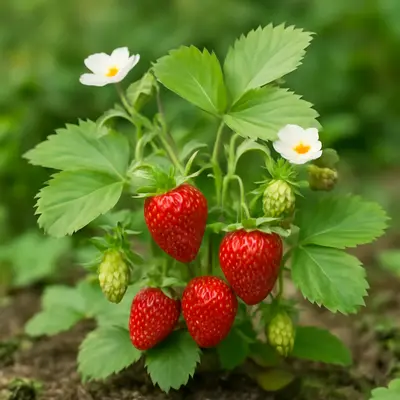

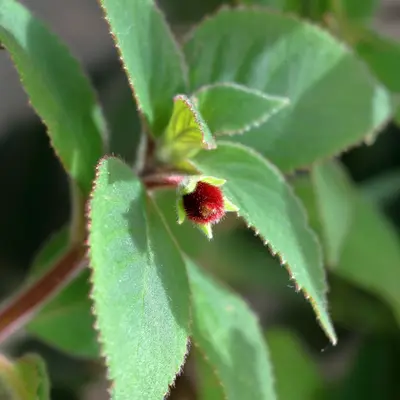
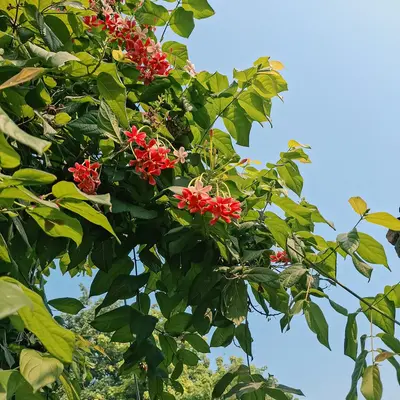
Zone 7 Berries & Fruits for Alabama
36 varieties · Last frost April 1 · 210-day season
Zone 9 Berries & Fruits for Alabama
17 varieties · Last frost February 15 · 290-day season
Zone 8 Growing Tips for Alabama
Plant bare-root berry bushes in late February through early March, about 2-3 weeks before your average last frost of March 15th. This timing allows roots to establish in cool soil before the heat arrives, but avoid planting if soil is still frozen or waterlogged. Container plants can go in slightly later, through early April, but earlier is better for establishment. For strawberries, plant in early March for June-bearers and everbearers – they need that cool establishment period to develop strong root systems before summer stress hits.
Your main challenge will be managing summer heat and humidity, which can stress plants and encourage fungal diseases like anthracnose and powdery mildew. Plan for supplemental watering during dry spells, but ensure excellent drainage year-round – Zone 8's variable precipitation can swing from drought to soggy conditions quickly. Mulch heavily to moderate soil temperature and retain moisture, and consider afternoon shade for more sensitive varieties during peak summer. Many berry crops benefit from drip irrigation in your zone, as overhead watering in humid conditions invites disease problems.