Best Native Wildflowers to Grow in North Dakota
North Dakota spans USDA Zones 3–5, typically Zone 4. We've broken out 87 native wildflower varieties by zone — pick your zone below or find the right varieties for your specific part of the state.
Varieties
87
for North Dakota
USDA
Zones 3–5
120–155 days season
Beginner
78
easy to grow
Heirloom
20
heritage varieties
North Dakota in USDA Zones 3–5
North Dakota spans Zones 3–5. Variety lists below are organized by zone — start with your zone for the most accurate recommendations.
Growing Native Wildflowers in North Dakota
Zone 4 offers both challenges and advantages for native wildflower enthusiasts. While the harsh winters with temperatures dipping to -30°F eliminate many tender species, they also create perfect conditions for hardy perennials that require cold stratification and vernalization. The relatively short but intense growing season means selecting varieties that can establish quickly and bloom reliably within a compressed timeframe. Zone 4's climate actually mirrors the native habitat of many North American prairie and woodland wildflowers, making it ideal for species like Wild Lupine, New England Aster, and Purple Coneflower that have evolved to thrive in continental climates with distinct seasons.
The key to success in Zone 4 lies in choosing varieties that can handle late spring freezes and early fall frosts while maximizing the productive summer months. Look for species with strong cold tolerance, efficient establishment patterns, and extended bloom periods. Many of the best performers are prairie natives that can handle temperature swings and benefit from the natural freeze-thaw cycles that help break seed dormancy. These selections have proven themselves in challenging conditions and will reward Zone 4 gardeners with reliable color from June through October.
Zone 4 Native Wildflowers for North Dakota★ Most of ND
79 varieties · Last frost May 10 · 135-day season
Zone 3 Native Wildflowers for North Dakota
52 varieties · Last frost May 15 · 120-day season
Zone 5 Native Wildflowers for North Dakota
87 varieties · Last frost April 30 · 155-day season
Zone 4 Growing Tips for North Dakota
Start cold-hardy annuals like Sweet Alyssum and California Poppy indoors 4-6 weeks before the last frost date, typically mid-March to early April. These can be transplanted outside 2-3 weeks before May 10th as they handle light frosts well. For perennials like Purple Coneflower, Black-Eyed Susan, and Wild Bergamot, direct sow in late fall for natural cold stratification, or start seeds indoors in February and transplant after soil warms in mid-May. Many native wildflowers actually perform better with fall planting, giving them a full season to establish before their first winter.
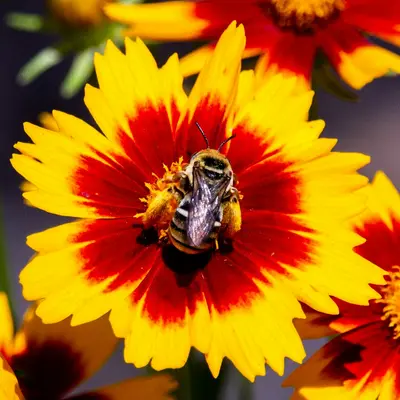
The biggest challenge in Zone 4 is managing the transition periods when late spring freezes can damage emerging growth and early fall frosts cut the season short. Protect young transplants with row covers or cold frames during unpredictable May weather. For extending the season, choose varieties with different bloom times – early bloomers like Wild Columbine and Wild Blue Phlox for spring interest, mid-summer workhorses like Bee Balm and Blanket Flower, and late-season champions like New England Aster and Prairie Blazingstar that bloom right up to frost. Mulch established perennials heavily in late fall to prevent root damage from freeze-thaw cycles.