Best Berries & Fruits to Grow in New Hampshire
New Hampshire spans USDA Zones 3–6, typically Zone 5. We've broken out 35 berry varieties by zone — pick your zone below or find the right varieties for your specific part of the state.
Varieties
35
for New Hampshire
USDA
Zones 3–6
120–180 days season
Beginner
9
easy to grow
Heirloom
3
heritage varieties
New Hampshire in USDA Zones 3–6
New Hampshire spans Zones 3–6. Variety lists below are organized by zone — start with your zone for the most accurate recommendations.
Growing Berries & Fruits in New Hampshire
Zone 5 presents a sweet spot for berry growing—cold enough to satisfy the chill requirements of most berry crops, yet with a long enough growing season to ripen late-maturing varieties. Your 155-day growing season from early May through early October gives you excellent flexibility, but the key is choosing varieties that can handle those occasional surprise late frosts in May and early freezes in September. The winter lows of -10°F to -20°F actually work in your favor for most berries, providing the dormancy period that produces the best fruit quality and yields.
When selecting berry varieties for Zone 5, prioritize cold hardiness ratings and choose cultivars with proven track records in northern climates. Look for early to mid-season varieties that can ripen reliably before that October 5th frost date, though everbearing types like Heritage raspberries and Albion strawberries will give you harvests right up until the first hard freeze. Disease resistance is equally important—Zone 5's variable spring weather with wet periods followed by heat can create perfect conditions for fungal problems, so varieties like Patriot blueberries and Chester blackberries with built-in resistance will save you headaches down the road.
Zone 5 Berries & Fruits for New Hampshire★ Most of NH
29 varieties · Last frost April 30 · 155-day season
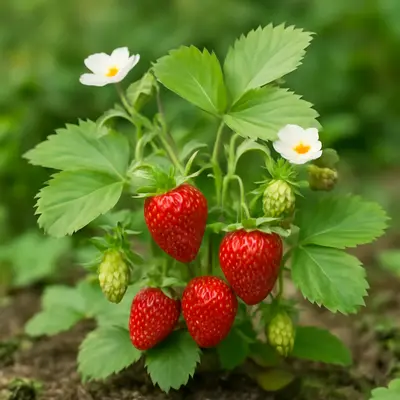

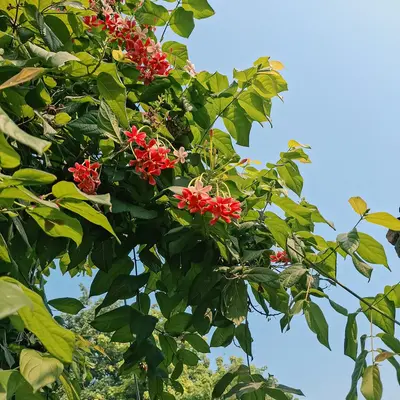
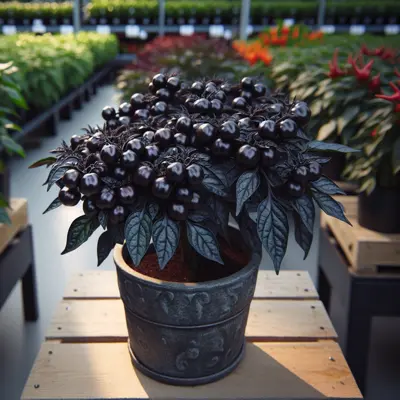
Zone 4 Berries & Fruits for New Hampshire
27 varieties · Last frost May 10 · 135-day season
Zone 6 Berries & Fruits for New Hampshire
35 varieties · Last frost April 15 · 180-day season
Zone 3 Berries & Fruits for New Hampshire
16 varieties · Last frost May 15 · 120-day season
Zone 5 Growing Tips for New Hampshire
Plant bare-root berries in early spring, about 2-3 weeks before your last frost date (early to mid-April), when the soil can be worked but is still cool. This gives roots time to establish before the growing season kicks into high gear. Container-grown plants can go in safely after May 10th, once the threat of hard frost has passed. Strawberries are your exception—get June-bearing varieties like Earliglow planted as soon as soil can be worked in April, as they need that cool establishment period for strong root development.
Row covers are your best friend in Zone 5, especially for protecting strawberry blossoms from those sneaky late May frosts and extending your fall harvest of everbearing varieties into November. Blueberries and cane fruits like raspberries and blackberries are generally frost-hardy once established, but first-year plantings benefit from protection. Mulch heavily (4-6 inches) around all berry plants by late November—this isn't just for weed control, but crucial winter protection for strawberry crowns and shallow blueberry roots that can suffer damage from freeze-thaw cycles.