Best Berries & Fruits to Grow in West Virginia
West Virginia spans USDA Zones 5–7, typically Zone 6. We've broken out 37 berry varieties by zone — pick your zone below or find the right varieties for your specific part of the state.
Varieties
37
for West Virginia
USDA
Zones 5–7
155–210 days season
Beginner
10
easy to grow
Heirloom
3
heritage varieties
West Virginia in USDA Zones 5–7
West Virginia spans Zones 5–7. Variety lists below are organized by zone — start with your zone for the most accurate recommendations.
Growing Berries & Fruits in West Virginia
Zone 6 offers an excellent balance for berry growing, with a generous 180-day growing season that's long enough for most varieties to fully ripen while providing the winter chill hours that many berries absolutely need. The key challenge here is navigating those unpredictable late spring frosts that can devastate early blossoms, and the occasional harsh winter that tests your plants' cold tolerance. Smart zone 6 gardeners focus on varieties that bloom after mid-April and can handle winter lows down to -10°F.
When selecting berries for zone 6, prioritize cold-hardy varieties with good disease resistance and manageable harvest windows. You want plants that won't rush into bloom during those deceptive warm February days, only to get zapped by a March freeze. The varieties listed here have proven themselves in zone 6 conditions, offering reliable harvests and the ability to bounce back from typical weather curveballs. Many are also chosen for extended harvest periods, letting you enjoy fresh berries from June through October rather than dealing with a overwhelming glut all at once.
Zone 6 Berries & Fruits for West Virginia★ Most of WV
35 varieties · Last frost April 15 · 180-day season
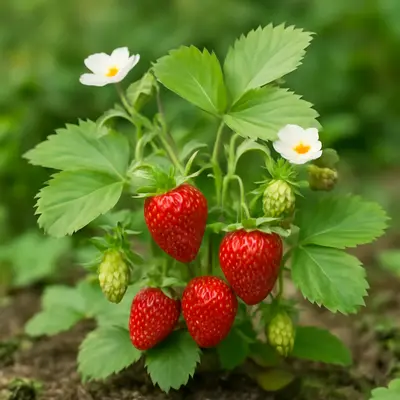

Zone 5 Berries & Fruits for West Virginia
29 varieties · Last frost April 30 · 155-day season
Zone 7 Berries & Fruits for West Virginia
36 varieties · Last frost April 1 · 210-day season
Zone 6 Growing Tips for West Virginia
Plant bare-root berries in early spring, about 2-3 weeks before your last frost date (late March to early April in zone 6). The soil is usually workable by then, and plants establish better in cool, moist conditions. Container plants can go in anytime after soil thaws, but avoid planting during hot summer stretches. For strawberries, get June-bearing varieties in the ground by mid-April, while everbearing types can be planted through early May.
Protection is crucial during establishment years. Use row covers or old sheets to shield newly planted berries from late frost, and don't remove them until nighttime temperatures stay consistently above 28°F. Mulch heavily around all berry plants before winter – 4-6 inches of straw or shredded leaves protects roots and crowns from freeze-thaw cycles. The biggest mistake zone 6 growers make is assuming their plants are tougher than they are; even cold-hardy varieties benefit from wind protection and consistent moisture through their first two winters.