Best Native Wildflowers to Grow in South Carolina
South Carolina spans USDA Zones 7–9, typically Zone 8. We've broken out 87 native wildflower varieties by zone — pick your zone below or find the right varieties for your specific part of the state.
Varieties
87
for South Carolina
USDA
Zones 7–9
210–290 days season
Beginner
78
easy to grow
Heirloom
20
heritage varieties
South Carolina in USDA Zones 7–9
South Carolina spans Zones 7–9. Variety lists below are organized by zone — start with your zone for the most accurate recommendations.
Growing Native Wildflowers in South Carolina
Zone 8 offers native wildflower gardeners a generous growing season and relatively mild winters, but the hot, humid summers can stress plants not adapted to these conditions. The extended frost-free period from mid-March through mid-November means you can establish wildflowers early and enjoy blooms well into fall, but choosing varieties that can handle summer heat spikes and potential drought periods is crucial for success.
The key to thriving wildflower gardens in Zone 8 is selecting native species that naturally occur in similar climates—plants with deep root systems, heat tolerance, and the ability to bounce back from summer stress. Look for varieties that bloom in spring and fall when temperatures are more moderate, or summer bloomers known for their resilience. Many of the best performers are prairie natives and southeastern woodland species that have evolved to handle temperature fluctuations and variable moisture levels.
Our recommended varieties excel in Zone 8 because they're either naturally heat-tolerant, have extended bloom periods that take advantage of the long growing season, or provide crucial late-season color when many other plants are declining. From early spring Wild Columbine to late-blooming New England Asters, these selections will give you reliable performance and seasonal interest throughout your extended growing window.
Zone 8 Native Wildflowers for South Carolina★ Most of SC
85 varieties · Last frost March 15 · 240-day season
Zone 7 Native Wildflowers for South Carolina
87 varieties · Last frost April 1 · 210-day season
Zone 9 Native Wildflowers for South Carolina
44 varieties · Last frost February 15 · 290-day season
Zone 8 Growing Tips for South Carolina
Start cool-season wildflower seeds like Wild Columbine, Wild Blue Phlox, and Wild Ginger directly in the garden in late February or early March, about 2-3 weeks before your last frost date. These species benefit from the natural cold stratification of late winter and will establish strong root systems before summer heat arrives. For heat-lovers like Blanket Flower, Black-Eyed Susan, and Butterfly Weed, wait until soil temperatures consistently reach 60°F, typically in early to mid-April.
The biggest challenge in Zone 8 is getting seedlings established before the intense summer heat hits. Transplant container-grown wildflowers by early May to give them 4-6 weeks to develop robust root systems. During the brutal summer months of July and August, even established plants may need supplemental watering during extended dry spells. Focus on deep, infrequent watering rather than daily light sprinklings to encourage deep root growth.
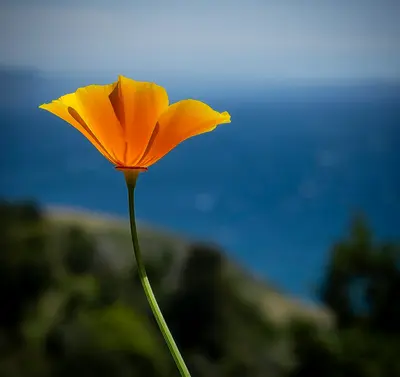
Take advantage of your long growing season by planning succession plantings. Sow California Poppies and Sweet Alyssum every 3-4 weeks from March through May for continuous blooms. In late summer (August), you can direct-sow cool-season annuals again for fall color. Many perennials like Purple Coneflower and Bee Balm will rebloom if cut back after their first flush in early summer, giving you a second show in September and October.