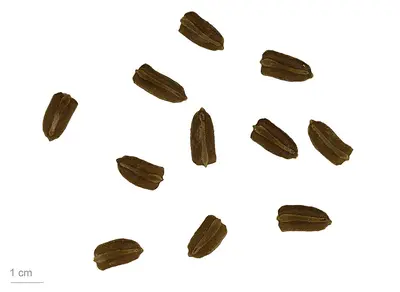
Best Vines & Climbers for Zone 7
27 varieties that thrive in USDA Hardiness Zone 7. Compare planting dates, growing difficulty, and find the best picks for your garden.
Varieties
27
for Zone 7
Beginner
19
easy to grow
Heirloom
15
heritage varieties
Container
18
pot-friendly
Zone 7 Coverage
Planting Timeline â All Varieties
Growing Vines & Climbers in Zone 7
Zone 7's generous 210-day growing season and relatively mild winters create ideal conditions for both annual and perennial vines, but the late spring frost risk means timing is everything. With your last frost typically arriving around April 1st, you have enough time for heat-loving vines like melons and long-season tomatoes to fully mature before October's first frost, while cool-season climbers like peas can give you both spring and fall harvests. The key is choosing varieties that either mature quickly enough to beat the heat or can handle Zone 7's occasionally unpredictable late cold snaps.
What makes Zone 7 particularly exciting for vine gardeners is the ability to grow both temperate favorites and more adventurous heat-lovers. You can successfully cultivate everything from classic Brandywine tomatoes and Kentucky Wonder beans to more exotic choices like Armenian cucumbers and Yard Long beans. The extended growing season also allows for succession planting of quick-maturing vines like cucumbers and snap peas, giving you multiple harvests throughout the year. For perennial climbers, Zone 7 offers the perfect balance â cold enough to satisfy the chill requirements of plants like Clematis 'Jackmanii', yet mild enough that established vines like Wisteria and Virginia Creeper will thrive for decades.
Variety Comparison
| Variety â | Days | Difficulty | Size | Type | Indoor | Harvest |
|---|---|---|---|---|---|---|
| Armenian Cucumber | 75 | Easy | 5-5 1/2" | Hybrid | â | â |
| Birdhouse Gourd | 125 | Easy | 10-12 lb. | Heirloom | â | â |
| Blacktail Mountain Watermelon | 70-75 | Moderate | 6-12 pounds | Heirloom | â | â |
| Boston Ivy | â | Easy | Three-lobed leaves 4-8 inches across | OP | â | â |
| Burpless Beauty | 62-70 | Easy | 10-12 inches long, slender | Hybrid | â | â |
| Clematis 'Jackmanii' | â | Moderate | 4-6 inch diameter flowers | HeirloomHybrid | â | â |
| Delicata Squash | 95-105 | Easy to Moderate | 6-10 inches long, 3-4 inches diameter | Heirloom | â | â |
| Dragon Tongue Bush Bean | 60-70 | Easy | 6-8 inches long | Heirloom | â | â |
| English Ivy | â | Easy | 2-4 inch leaves | OP | â | â |
| Galia Melon | 75-85 | Moderate | 2-3 pounds | Hybrid | â | â |
| Heavenly Blue | 110-120 | Easy | 4-5" | Heirloom | â | â |
| Honeydew | 85-100 | Moderate | 4-8 pounds | OP | â | â |
| Jack Be Little Pumpkin | 95-100 | Easy | 2-3 inches diameter | OP | â | â |
| Kentucky Wonder Pole Bean | 65-70 | Easy | 7-10 inches long | Heirloom | â | â |
| Lemon Cucumber | 65 | Easy | 3-4 inches diameter | Heirloom | â | â |
| Little Leaf Cucumber | 49 | Easy | 5 1/2-6 1/2" | Hybrid | â | â |
| Marketmore 76 | 58 | Easy | 8-9" | Heirloom | â | â |
| Moon and Stars Watermelon | 90-100 | Moderate | 15-35 pounds | Heirloom | â | â |
| Purple Top White Globe Turnip | 45-60 | Easy | 3-4 inches diameter | Heirloom | â | â |
| Scarlet Runner Bean | 45-55 | Easy | Pods 6-10 inches long, beans 1 inch long | Heirloom | â | â |
| Straight Eight Cucumber | 58-65 | Easy | 8 inches long, 2 inches diameter | Heirloom | â | â |
| Sugar Ann Snap Pea | 50-60 | Easy | 3-4 inch pods | Hybrid | â | â |
| Sugar Baby | 76 | Moderate | 6-8" | Heirloom | â | â |
| Sugar Daddy Snap Pea | 72-75 | Easy | 2.5-3 inches long | Hybrid | â | â |
| Sugar Snap Pea | 58 | Easy | 72" | Heirloom | â | â |
| Virginia Creeper | â | Easy | 3-6 inch compound leaves | OP | â | â |
| Wisteria | â | Moderate to difficult | 12-18 inch drooping flower clusters | OP | â | â |
Variety Details

Armenian Cucumber
The smooth yellow melons avg. 5-5 1/2" X 4 1/2-5 1/2" and about 4 lb. Flesh is very sweet and juicy. Harvest when fruit turns dark yellow, at forced-slip stage, or cut from vine.

Birdhouse Gourd
Larger, rounded blossom end with a narrow neck and slightly bulbed stem end. Harvest when the smooth, greenish rind turns white or starts to brown. Dry for crafting into durable bottles, birdhouses, etc. Trellis vines for consistent fruit shape. Avg. weight: 10-12 lb.

Blacktail Mountain Watermelon
A remarkable short-season watermelon developed in Montana for northern gardeners who thought they couldn't grow melons. This compact variety produces sweet, juicy 6-12 pound fruits even in cool climates with short summers. The dark green fruits with darker stripes are perfectly sized for small families and mature in just 70 days.

Boston Ivy
A vigorous deciduous climbing vine famous for creating those classic ivy-covered brick buildings on college campuses. This fast-growing vine produces stunning fall color, transforming from green to brilliant shades of orange, red, and purple that make it a showstopper in autumn landscapes.
Burpless Beauty
A game-changing cucumber variety that eliminates the bitter compounds responsible for digestive issues, allowing gardeners to enjoy fresh cucumbers without discomfort. This hybrid produces long, slender fruits with tender skin that never needs peeling and sweet, mild flesh. The vigorous vines are incredibly productive and disease-resistant, making this an ideal choice for gardeners wanting premium cucumbers with foolproof growing.

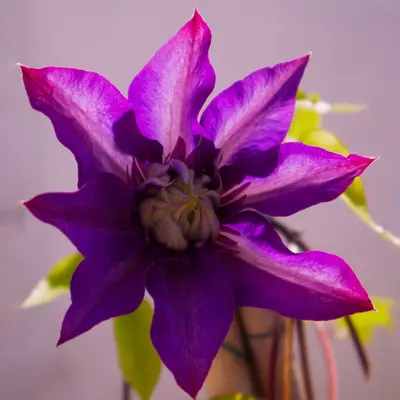
Clematis 'Jackmanii'
The most popular and reliable clematis variety, beloved for its profuse display of large, velvety purple flowers that bloom from midsummer through fall. This vigorous climber is perfect for covering arbors, fences, or trellises with its stunning 4-6 inch violet-purple blooms that have made it a garden classic for over 150 years.
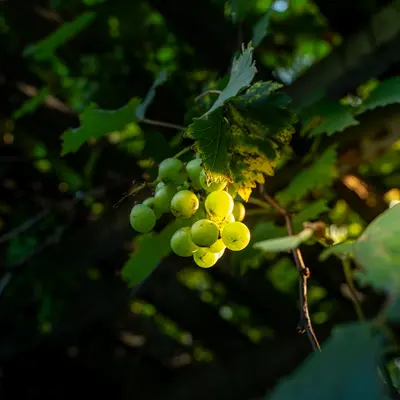
Delicata Squash
This cream-colored winter squash with distinctive dark green stripes has edible skin when cooked, earning it the nickname 'sweet potato squash.' The compact vines are perfect for smaller gardens, and the sweet, nutty flesh rivals butternut squash in flavor while being much easier to prepare. Its unique appearance and exceptional taste make it a farmer's market favorite.

Dragon Tongue Bush Bean
A stunning Dutch heirloom that produces cream-colored pods beautifully streaked with purple flames, making it as ornamental as it is delicious. These flat Romano-type beans offer exceptional flavor with a tender, meaty texture that's perfect for fresh eating. The striking appearance makes them a conversation starter in both the garden and on the dinner plate.

English Ivy
The classic evergreen climbing vine that transforms any surface into a lush green wall year-round. English Ivy's distinctive lobed leaves and vigorous climbing habit make it perfect for covering unsightly fences, walls, or creating dramatic ground cover. Its adaptability to both sun and shade conditions makes it one of the most versatile vines for home landscapes.
Galia Melon
A premium Israeli hybrid melon that combines the best qualities of cantaloupe and honeydew, featuring beautiful netted skin and incredibly aromatic, sweet flesh. This variety offers superior disease resistance and reliable production, making it easier to grow than many melons while delivering gourmet flavor. The perfect choice for gardeners wanting to grow restaurant-quality melons at home.

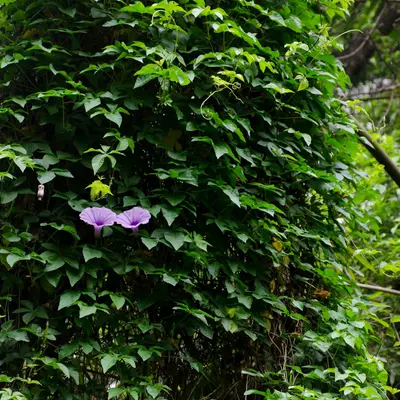
Heavenly Blue
Fast-growing climber. 4-5" trumpet-shaped flowers are vibrant sky blue with creamy white throats. Lovely heart-shaped foliage and fast-growing vines are excellent for arbors, trellises, or as a ground cover. Easy-to-grow heirloom variety. Flowers open in the morning and close in the afternoon. Morning glory requires short days and long nights to trigger flowering. Vigorous plants put on lots of growth through the spring and summer and begin blooming in midsummer, producing continuously through early fall. NOTE: plants grow vigorously and have the potential to reseed.
Honeydew
The classic sweet melon with pale green skin and incredibly sweet, juicy flesh that melts in your mouth. This beloved variety produces large, oval fruits with that distinctive honeyed flavor that makes it a summer favorite. Perfect for fresh eating, fruit salads, and breakfast treats.

Jack Be Little Pumpkin
These adorable miniature pumpkins are perfect for fall decorating and Halloween displays. The compact vines produce dozens of palm-sized, bright orange pumpkins that are both ornamental and edible. Their prolific nature and charming appearance make them a favorite for gardeners wanting impressive autumn harvests from small spaces.

Kentucky Wonder Pole Bean
A classic heirloom climbing bean that has been a garden staple since the 1850s, beloved for its exceptional productivity and rich, meaty flavor. These vigorous vines can climb 8-10 feet high and produce abundant harvests of tender, stringless pods when picked young. Known for its reliability and old-fashioned bean taste that modern varieties often lack.

Lemon Cucumber
Pick at 1½-2½" diameter. This versatile cucumber is sweet and flavorful, and doesn't have much of the chemical that makes other cucumbers bitter and hard to digest. Though often served raw, Lemon is also a good pickling cucumber. Specialty market salad item. NOTE: Very late to begin bearing. USDA Certified Organic.

Little Leaf Cucumber
Katrina produces an early to midseason crop in protected culture. Known for its ability to set fruit under heat stress, Katrina is very high yielding with excellent uniformity. This seedless, thin-skinned cuke is best when harvested at 5 1/2-6 1/2" long - a great size between Unistars and the larger Socrates. Gynoecious and parthenocarpic. Also available in organic seed.

Marketmore 76
Long dark green cucumbers. The slender, refined "Marketmore look" has long been the standard for slicing cucumbers in the North. 8-9" fruits stay uniformly dark green even under weather stress. Begins bearing late, but picks for a relatively long time. USDA Certified Organic.

Moon and Stars Watermelon
A mesmerizing heirloom watermelon with dark green skin decorated with yellow spots resembling a starry night sky, plus one large 'moon' spot. This conversation-starting variety produces sweet, red-fleshed melons weighing 15-35 pounds that taste as good as they look unique, making every harvest feel magical.

Purple Top White Globe Turnip
A classic heirloom turnip variety that's been a garden staple since the 1880s, prized for its reliable performance and dual-purpose nature. The distinctive white roots with purple shoulders offer mild, sweet flavor when harvested young, while the nutritious greens provide excellent early season eating. An excellent choice for beginning gardeners seeking a versatile, easy-to-grow root vegetable.

Scarlet Runner Bean
Scarlet flowers against green, heart-shaped foliage. Rapid climbers. Beans are edible and delicious when young. Keep pods picked for continuous bloom. May simply be called scarlet runner. A hummingbird favorite. Edible Flowers: The flowers offer a mild and sweet flavor. Use them to garnish or in salads, soups, and desserts.

Straight Eight Cucumber
A reliable 1935 All-America Selections winner that produces perfectly straight, 8-inch dark green cucumbers with excellent flavor and crisp texture. This dependable heirloom variety is prized by home gardeners for its consistent shape, disease resistance, and versatility in both fresh eating and pickling applications.

Sugar Ann Snap Pea
An All-America Selections winner that revolutionized snap pea growing with its compact 2-foot vines that don't require trellising. This early-maturing variety produces an abundance of sweet, crisp pods that are perfect for eating fresh off the vine. Ideal for container gardens and small spaces while delivering full-sized flavor.

Sugar Baby
Round fruits, 6-8" in diameter, averaging 8-10 lb. Ripe melons are almost black. Good flavor. Tough rinds resist cracking. The standard of "icebox" melons for many years. Avg. 1-2 fruits/plant.

Sugar Daddy Snap Pea
An All-America Selections winner that revolutionized snap pea growing with its stringless pods and exceptional sweetness. This compact variety produces plump, crispy pods that are completely edible and require no tedious string removal. The plants are naturally dwarf and sturdy, making them perfect for small gardens and containers.

Sugar Snap Pea
Johnny's superior strain. From an ongoing collaboration with the family of the late Dr. Calvin Lamborn, the breeder of Sugar Snap. A household name for its sweet, crisp pods, Sugar Snap germinates well in cold, wet soil, and the vigorous plants quickly produce a thick stand that requires support. Vines avg. 72" with 1 or 2 pods per node. Yields well over a long season in both hot and cold weather. Remove string from pods before cooking. Needs trellising. AAS Winner. Also available in organic seed.

Virginia Creeper
A stunning native North American vine that provides spectacular fall color with its five-fingered leaves turning brilliant scarlet and orange. Virginia Creeper climbs effortlessly using adhesive tendrils, making it perfect for covering walls, fences, or arbors without damaging surfaces like some other climbing vines. This fast-growing perennial vine also provides excellent wildlife habitat and food for birds.

Wisteria
The queen of flowering vines, Chinese Wisteria creates breathtaking displays of fragrant purple flower clusters that cascade like living waterfalls in spring. These vigorous woody vines can transform pergolas, arbors, and sturdy structures into romantic garden focal points that bloom for decades. While requiring patience and annual pruning, the spectacular spring show makes Wisteria one of the most coveted ornamental vines.
Zone 7 Growing Tips
Start your warm-season vine seeds indoors 4-6 weeks before your last frost date (so late February to early March), but resist the urge to plant them outside until soil temperatures consistently reach 60°F, usually by mid to late April. Tomatoes, melons, and cucumbers are particularly sensitive to cold soil and will sulk or develop poorly if rushed outside too early. For insurance against late cold snaps, keep row covers handy through early May, as Zone 7 can occasionally surprise you with a late frost.
Cool-season climbers like peas and snap peas should go directly in the ground 2-4 weeks before your last frost date (mid-March), as they actually prefer cooler soil and can handle light frosts. Take advantage of your long growing season by planning succession plantings every 2-3 weeks for crops like cucumbers and beans through June, and plant a second round of snap peas in late August for fall harvest. The biggest challenge in Zone 7 is often the intense summer heat and humidity, which can stress vines and encourage fungal diseases, so ensure excellent air circulation and consider afternoon shade for sensitive crops like lettuce or peas during July and August.
Season Overview
Your 210-day growing season from April through October gives you remarkable flexibility in variety selection, allowing time for both quick 60-day crops like Sugar Ann snap peas and long-season 100+ day varieties like Brandywine tomatoes or large melons. Plan your garden calendar around April 1st for warm-season planting and October 30th for final harvests, though many cool-season crops like kale and turnips can handle light frosts and extend your harvest into November. This extended season is perfect for ambitious projects like training perennial vines such as Wisteria or Virginia Creeper, which have time to establish strong root systems before winter dormancy.