Zone 4 Coverage
Planting Timeline — All Varieties
Growing Vines & Climbers in Zone 4
Zone 4 gardeners face unique challenges when growing vines and climbers, but with the right varieties, you can still enjoy abundant harvests and beautiful vertical displays. The key is choosing plants that can handle your shorter growing season and potential late spring frosts. Cold-hardy perennial climbers like Virginia Creeper, Boston Ivy, and hardy Clematis 'Jackmanii' thrive in your climate, while annual vines need careful timing and variety selection to succeed.
For productive vegetable vines, focus on varieties specifically bred for shorter seasons and cooler temperatures. Quick-maturing options like Sugar Snap Peas, Kentucky Wonder Pole Beans, and compact melons such as Sugar Baby watermelon make excellent choices. These plants can complete their lifecycle within your 135-day growing window while providing impressive yields. Avoid long-season varieties that need 120+ days to maturity, as they'll struggle to finish before your September 25 first frost.
Variety Comparison
| Variety ↑ | Days | Difficulty |
|---|---|---|
| Birdhouse Gourd | 125 | Easy |
| Boston Ivy | — | Easy |
| Clematis 'Jackmanii' | — | Moderate |
| English Ivy | — | Easy |
| Heavenly Blue | 110-120 | Easy |
| Ruby Moon | 110-120 | Moderate |
| Virginia Creeper | — | Easy |
Variety Details
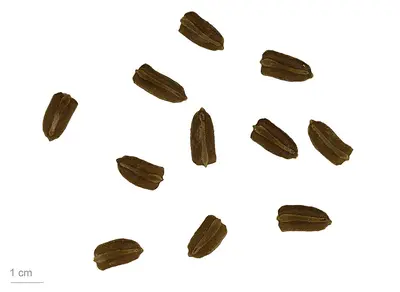
Birdhouse Gourd
Birdhouse Gourd is a charming heirloom vine variety that produces distinctive gourd-shaped fruits resembling small birdhouses, typically ready in 125 days. The hard-shelled gourds mature with ornamental light tan or cream-colored skin, ideal for drying and decoration. Young immature fruits can be eaten as summer squash, though the plant is primarily grown as an ornamental rather than for food production. Vigorous vines require full sun and rich, well-drained soil, making them excellent for trellising or sprawling along garden beds.

Boston Ivy
A vigorous deciduous climbing vine famous for creating those classic ivy-covered brick buildings on college campuses. This fast-growing vine produces stunning fall color, transforming from green to brilliant shades of orange, red, and purple that make it a showstopper in autumn landscapes.
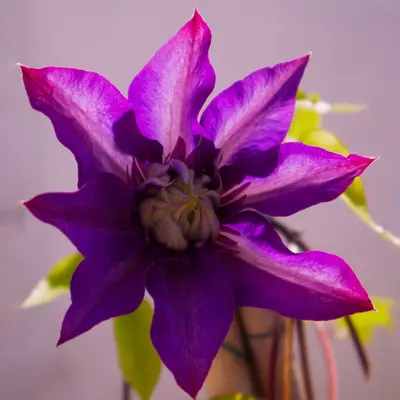
Clematis 'Jackmanii'
The most popular and reliable clematis variety, beloved for its profuse display of large, velvety purple flowers that bloom from midsummer through fall. This vigorous climber is perfect for covering arbors, fences, or trellises with its stunning 4-6 inch violet-purple blooms that have made it a garden classic for over 150 years.
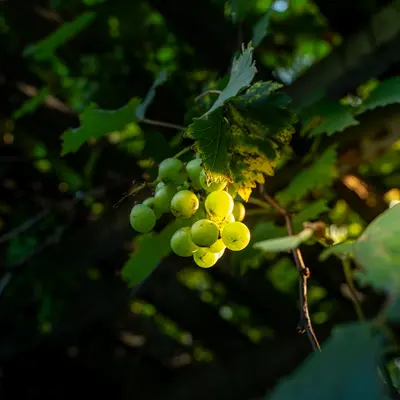
English Ivy
The classic evergreen climbing vine that transforms any surface into a lush green wall year-round. English Ivy's distinctive lobed leaves and vigorous climbing habit make it perfect for covering unsightly fences, walls, or creating dramatic ground cover. Its adaptability to both sun and shade conditions makes it one of the most versatile vines for home landscapes.
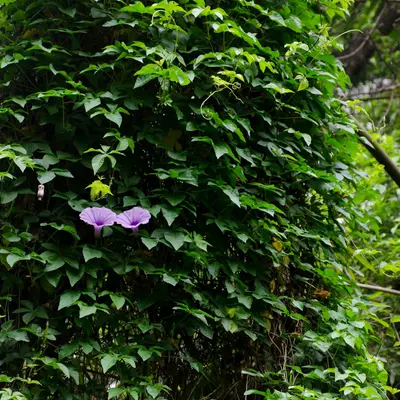
Heavenly Blue
Fast-growing climber. 4-5" trumpet-shaped flowers are vibrant sky blue with creamy white throats. Lovely heart-shaped foliage and fast-growing vines are excellent for arbors, trellises, or as a ground cover. Easy-to-grow heirloom variety. Flowers open in the morning and close in the afternoon. Morning glory requires short days and long nights to trigger flowering. Vigorous plants put on lots of growth through the spring and summer and begin blooming in midsummer, producing continuously through early fall. NOTE: plants grow vigorously and have the potential to reseed.
Ruby Moon
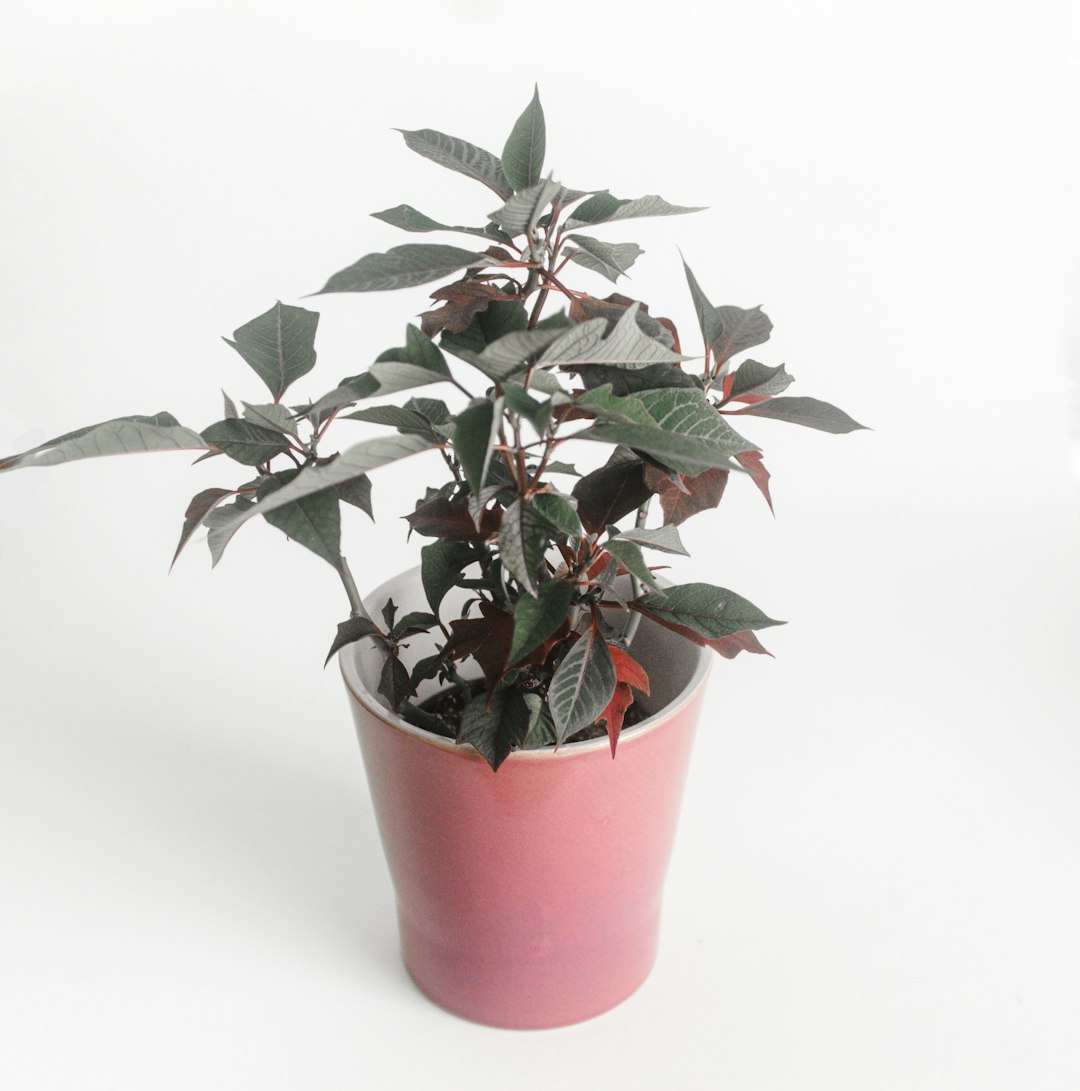
Purple stems, lilac-rose blossoms, and shiny 2-3" magenta pods. While all parts of the plant are edible, we recommend boiling the mature seeds twice before eating. Used in Asian, Thai, and Indian cuisine. Blooms and pods are useful as cut flowers; pods may be dried. Also known as bonavist-bean, and lablab-bean. Tender perennial in Zones 9-10. Best grown as an annual elsewhere.Edible Flowers: Flowers can be eaten raw or steamed, and can be used as a garnish for salads and desserts. Flavor is mild, bean-like, and sweet. A favorite in our taste tests.

Virginia Creeper
A stunning native North American vine that provides spectacular fall color with its five-fingered leaves turning brilliant scarlet and orange. Virginia Creeper climbs effortlessly using adhesive tendrils, making it perfect for covering walls, fences, or arbors without damaging surfaces like some other climbing vines. This fast-growing perennial vine also provides excellent wildlife habitat and food for birds.
Zone 4 Growing Tips
Start warm-season vine seeds indoors 4-6 weeks before your last frost date (around early April for your May 10 frost date). This gives heat-lovers like tomatoes, cucumbers, and melons the head start they need. Cool-season climbers like peas can go directly in the ground 2-3 weeks before last frost, typically late April in Zone 4. Wait until soil temperatures reach 60°F before transplanting warm-season vines outdoors – usually late May to early June.
Season extension is crucial for maximizing your vine harvests. Use row covers, cold frames, or even simple plastic sheeting to protect plants from unexpected late frosts and extend your fall growing season. Many Zone 4 gardeners successfully grow heat-loving vines like Armenian Cucumber and Yard Long Beans by starting them early indoors and protecting them during cool snaps. Choose the warmest, most sheltered spots in your garden for tender vines, and consider south-facing walls that provide extra radiant heat.
Season Overview
Your 135-day growing season from mid-May through late September requires strategic planning for vine success. Focus on varieties that mature in 85 days or less for warm-season crops, giving you a buffer before that September 25 first frost. This timeline works perfectly for quick producers like Sugar Daddy Snap Peas (60 days), Little Leaf Cucumber (55 days), and Jack Be Little Pumpkins (95 days). Plan succession plantings of beans and peas through July to maximize harvests, and remember that many vine crops like tomatoes and cucumbers will continue producing right up until frost if properly maintained.